Cricketer Rajan Kumar, who was part of RCB in IPL 2024, fails dope test
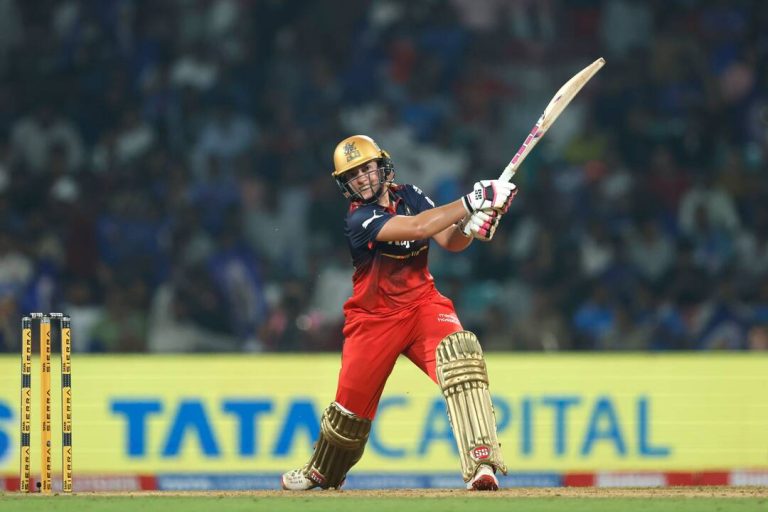
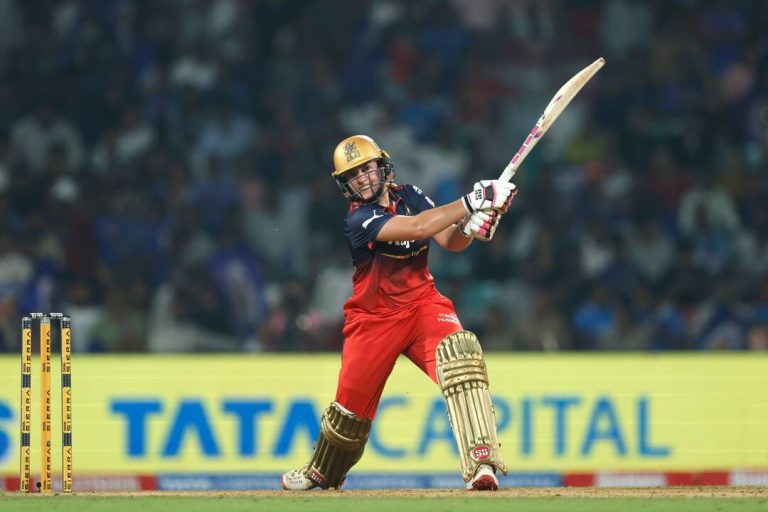
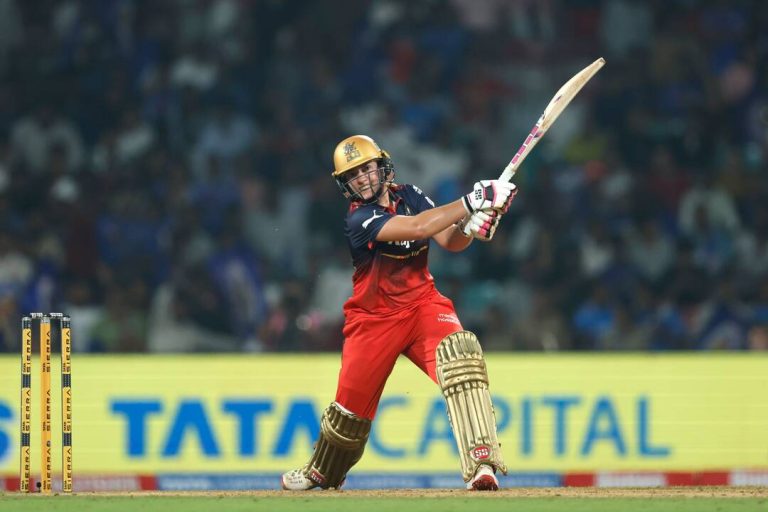
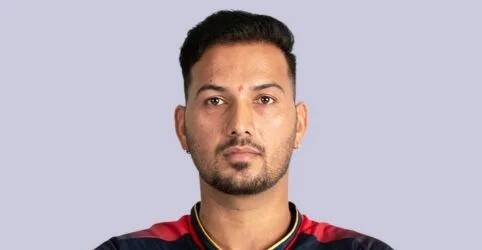
The world of Indian cricket has been shaken by the news of Uttarakhand left-arm fast bowler Rajan Kumar failing a dope test. The National Anti-Doping Agency (NADA) has imposed a provisional suspension on the young cricketer, casting a shadow over his promising career. Rajan, who was a part of the Royal Challengers Bangalore (RCB) squad in the Indian Premier League (IPL) 2024, has tested positive for Drostanolone, Metenolone, and Clomiphene anabolic steroids.
The news has sent shockwaves through the cricketing community, with many fans and experts expressing disappointment and concern over the incident. Rajan, who had shown tremendous potential in his short career, had taken 13 wickets in the Syed Mushtaq Ali Trophy 2025, showcasing his skills and talent on the field. However, his decision to resort to performance-enhancing substances has put his career in jeopardy.
The use of anabolic steroids is a serious offense in the world of sports, and NADA has been strict in its approach to dealing with such cases. The agency has been working tirelessly to ensure that Indian sports remain clean and free from doping. The provisional suspension imposed on Rajan is a clear indication of the seriousness with which NADA views this incident.
Rajan’s case is not an isolated one, unfortunately. There have been several instances of Indian cricketers failing dope tests in the past, highlighting the need for greater awareness and education on the dangers of doping. The Board of Control for Cricket in India (BCCI) and other sports governing bodies have been working to create awareness among players about the risks associated with doping and the importance of fair play.
The IPL, in particular, has been a platform where young cricketers have been known to take risks and push their bodies to the limit to achieve success. The pressure to perform and the lure of big money can sometimes lead players to take shortcuts, which can have serious consequences. The case of Rajan Kumar serves as a reminder of the importance of maintaining the integrity of the game and upholding the values of fair play.
The provisional suspension imposed on Rajan means that he will not be able to participate in any cricketing activities until the case is resolved. The NADA will conduct a thorough investigation, and Rajan will have the opportunity to present his case and defend himself. However, if found guilty, he could face a lengthy ban, which would not only harm his career but also damage his reputation.
The incident has also raised questions about the support system and guidance provided to young cricketers. Are they being adequately educated about the risks of doping, and are they being provided with the right resources to deal with the pressure and stress of competitive sports? These are questions that need to be answered, and it is essential that the BCCI and other sports governing bodies take a closer look at their anti-doping programs and support systems.
In conclusion, the case of Rajan Kumar is a sobering reminder of the dangers of doping in sports. It highlights the importance of maintaining the integrity of the game and upholding the values of fair play. The cricketing community must come together to support anti-doping efforts and ensure that players are provided with the right guidance and resources to make informed decisions about their careers.
As the investigation into Rajan’s case continues, one thing is clear: the use of performance-enhancing substances has no place in sports. The cricketing community must stand together to condemn doping and promote clean sports. Only then can we ensure that the game of cricket remains a true test of skill, talent, and dedication.
News Source: https://x.com/kushansarkar/status/2008197106234991093
About the Author