OPEC+ keeps oil output steady amid global turmoil
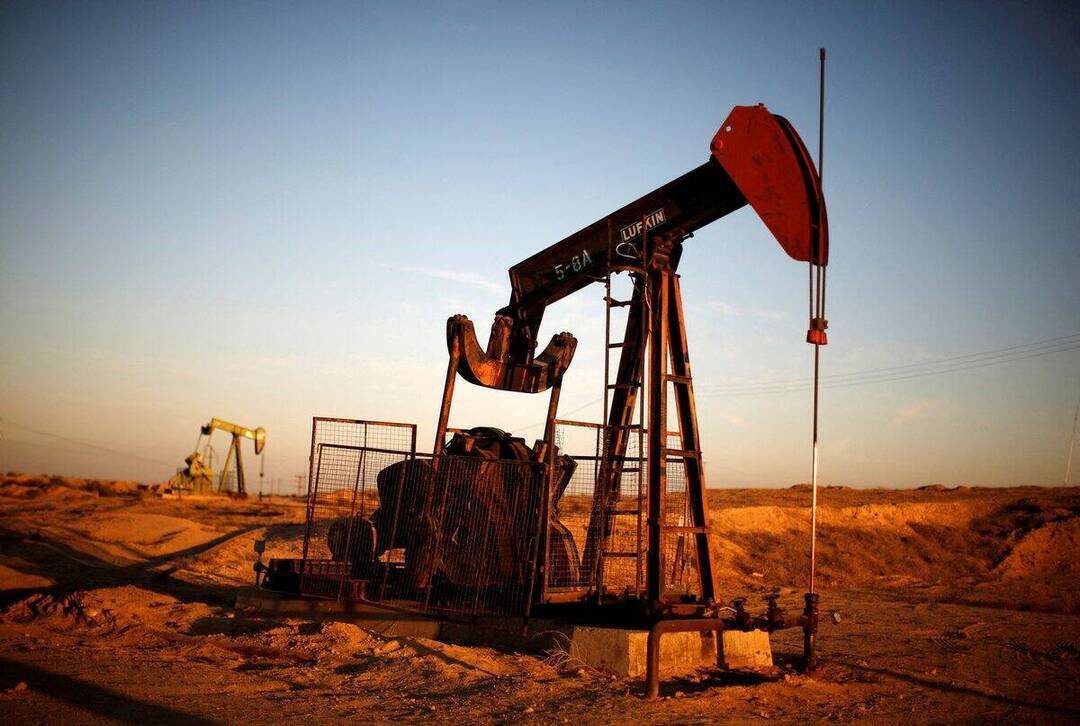
The Organization of the Petroleum Exporting Countries (OPEC+) has decided to maintain its current oil output levels, despite the ongoing global turmoil that has been affecting the oil market. The decision was made during a brief 10-minute meeting on Sunday, where the group of eight nations, which produces about half of the world’s oil, chose not to make any changes to their production levels.
The meeting was notable for its brevity, with sources indicating that the discussion was straightforward and lacked any major debates or disagreements. One notable absence from the discussion was Venezuela, a country that has been facing significant challenges in its oil industry. The US recently launched an attack on Venezuela, which has the world’s largest oil reserves, and has announced plans to help fix the country’s “badly broken” oil infrastructure through the involvement of US oil companies.
The decision to maintain current production levels is seen as a cautious approach by OPEC+, given the current state of uncertainty in the global oil market. The group has been facing pressure from various quarters, including the US, to increase production and help bring down oil prices. However, OPEC+ has chosen to prioritize stability and predictability in the market, rather than making any drastic changes to its production levels.
The global turmoil that has been affecting the oil market is multifaceted, with factors such as the ongoing conflict in the Middle East, the COVID-19 pandemic, and the economic sanctions imposed on various countries all playing a role. The US attack on Venezuela has added a new layer of complexity to the situation, with the potential for further instability and disruption to the global oil supply.
Despite these challenges, OPEC+ has chosen to maintain its current production levels, which is seen as a signal of the group’s commitment to stability and predictability in the market. The decision is also seen as a reflection of the group’s confidence in its ability to manage the global oil market, even in the face of significant challenges and uncertainties.
The US attack on Venezuela has significant implications for the global oil market, with the potential for further disruption and instability. The US has announced plans to help fix Venezuela’s oil infrastructure, which has been severely damaged in recent years due to a combination of factors, including economic mismanagement and lack of investment. The involvement of US oil companies in Venezuela’s oil industry is seen as a positive development, with the potential to increase production and help stabilize the global oil market.
However, the situation in Venezuela is complex, and the US involvement is not without its challenges. The country has been facing significant economic and humanitarian challenges, with widespread poverty and shortages of basic necessities such as food and medicine. The US attack on Venezuela has also been criticized by some countries, which have accused the US of interfering in the country’s internal affairs.
The decision by OPEC+ to maintain its current production levels is seen as a cautious approach, given the current state of uncertainty in the global oil market. The group has chosen to prioritize stability and predictability, rather than making any drastic changes to its production levels. The decision is also seen as a reflection of the group’s confidence in its ability to manage the global oil market, even in the face of significant challenges and uncertainties.
In conclusion, the decision by OPEC+ to maintain its current oil output levels is a significant development, given the current state of global turmoil that is affecting the oil market. The group’s decision to prioritize stability and predictability is seen as a cautious approach, given the various challenges and uncertainties that are facing the global oil market. The situation in Venezuela is complex, and the US involvement in the country’s oil industry has the potential to increase production and help stabilize the global oil market. However, the situation is also fraught with challenges, and the outcome is far from certain.
As the global oil market continues to evolve, it will be important to monitor the situation closely, and to be aware of the various factors that are affecting the market. The decision by OPEC+ to maintain its current production levels is seen as a positive development, given the current state of uncertainty in the market. However, the situation is complex, and the outcome is far from certain.
The global oil market is a complex and dynamic system, with various factors interacting and influencing each other. The decision by OPEC+ to maintain its current production levels is just one aspect of this system, and it will be important to consider the various other factors that are affecting the market. These factors include the ongoing conflict in the Middle East, the COVID-19 pandemic, and the economic sanctions imposed on various countries.
As the situation continues to evolve, it will be important to stay informed and up-to-date on the latest developments. The global oil market is a critical component of the global economy, and any significant changes or disruptions to the market have the potential to have far-reaching consequences.
In the coming weeks and months, it will be important to monitor the situation in Venezuela, and to be aware of the potential implications for the global oil market. The involvement of US oil companies in Venezuela’s oil industry has the potential to increase production and help stabilize the global oil market. However, the situation is complex, and the outcome is far from certain.
The decision by OPEC+ to maintain its current production levels is seen as a positive development, given the current state of uncertainty in the market. However, the situation is complex, and the outcome is far from certain. As the global oil market continues to evolve, it will be important to stay informed and up-to-date on the latest developments, and to be aware of the various factors that are affecting the market.
About the Author