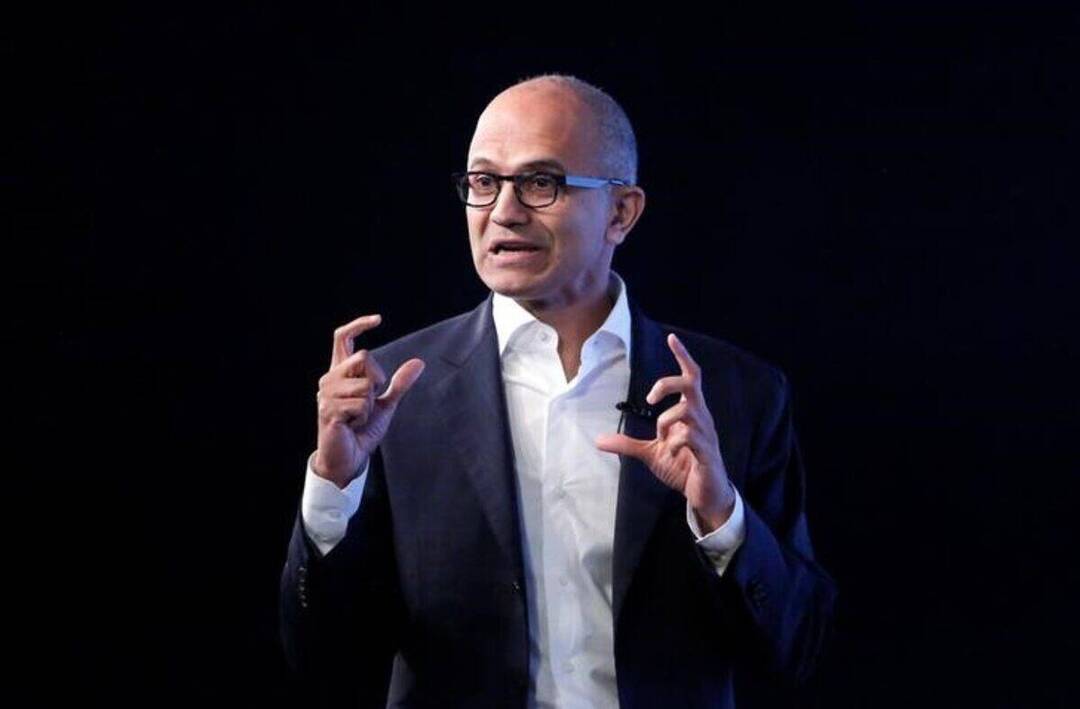
We need to move beyond AI slop debates: Microsoft CEO Nadella
The world of Artificial Intelligence (AI) has been abuzz with debates and discussions about the potential and limitations of this technology. While some experts hail AI as a revolutionary force that can transform industries and improve lives, others raise concerns about its potential risks and downsides. However, according to Microsoft CEO Satya Nadella, it’s time to move beyond these debates and focus on the real-world impact of AI.
In a recent statement, Nadella said that the world needs to “get beyond the arguments of slop vs sophistication”. He emphasized that the power of any AI model is not the most important factor, but rather how people choose to apply it. “What matters isn’t the power of any…model, but how people choose to apply it,” he stated. This statement highlights the need to shift the focus from the capabilities of AI itself to the ways in which it can be used to drive positive change.
Nadella also stressed the need to develop a new equilibrium in the way we relate to each other, taking into account the fact that humans are now equipped with new cognitive amplifier tools. “We need to…develop a new equilibrium…that accounts for humans being equipped with these new cognitive amplifier tools as we relate to each other,” he added. This new equilibrium will require us to rethink the way we interact with each other, and to find ways to harness the power of AI to enhance our relationships and our work.
The debate about AI has been ongoing for several years, with some experts warning about the dangers of creating machines that are more intelligent than humans. However, Nadella’s statement suggests that this debate is no longer relevant, and that it’s time to focus on the practical applications of AI. By moving beyond the arguments about the potential risks and benefits of AI, we can start to explore the many ways in which this technology can be used to improve our lives.
One of the key areas where AI can have a significant impact is in the workplace. AI-powered tools can help automate routine tasks, freeing up human workers to focus on more complex and creative tasks. For example, AI-powered chatbots can be used to provide customer support, while AI-powered analytics tools can help businesses gain insights into their operations and make more informed decisions.
Another area where AI can have a significant impact is in healthcare. AI-powered diagnostic tools can help doctors identify diseases more accurately and quickly, while AI-powered personalized medicine can help tailor treatment to individual patients’ needs. Additionally, AI-powered robots can be used to assist with surgeries and other medical procedures, reducing the risk of human error and improving patient outcomes.
However, in order to realize the full potential of AI, we need to develop a new set of skills and capabilities. This includes not only technical skills, such as programming and data analysis, but also soft skills, such as communication and collaboration. By developing these skills, we can ensure that we are able to work effectively with AI systems, and that we can harness their power to drive positive change.
Furthermore, we also need to address the ethical implications of AI. As AI systems become more powerful and autonomous, we need to ensure that they are aligned with human values and that they do not perpetuate biases and discrimination. This requires a nuanced understanding of the potential risks and benefits of AI, as well as a commitment to developing AI systems that are transparent, accountable, and fair.
In conclusion, Microsoft CEO Satya Nadella’s statement highlights the need to move beyond the debates about AI and focus on its real-world impact. By developing a new equilibrium that takes into account the fact that humans are now equipped with new cognitive amplifier tools, we can harness the power of AI to drive positive change and improve our lives. Whether it’s in the workplace, in healthcare, or in other areas of our lives, AI has the potential to transform the way we live and work. It’s time to get beyond the arguments and start exploring the many ways in which AI can be used to make a positive difference.
About the Author