In a U-turn, US says it won’t govern Venezuela
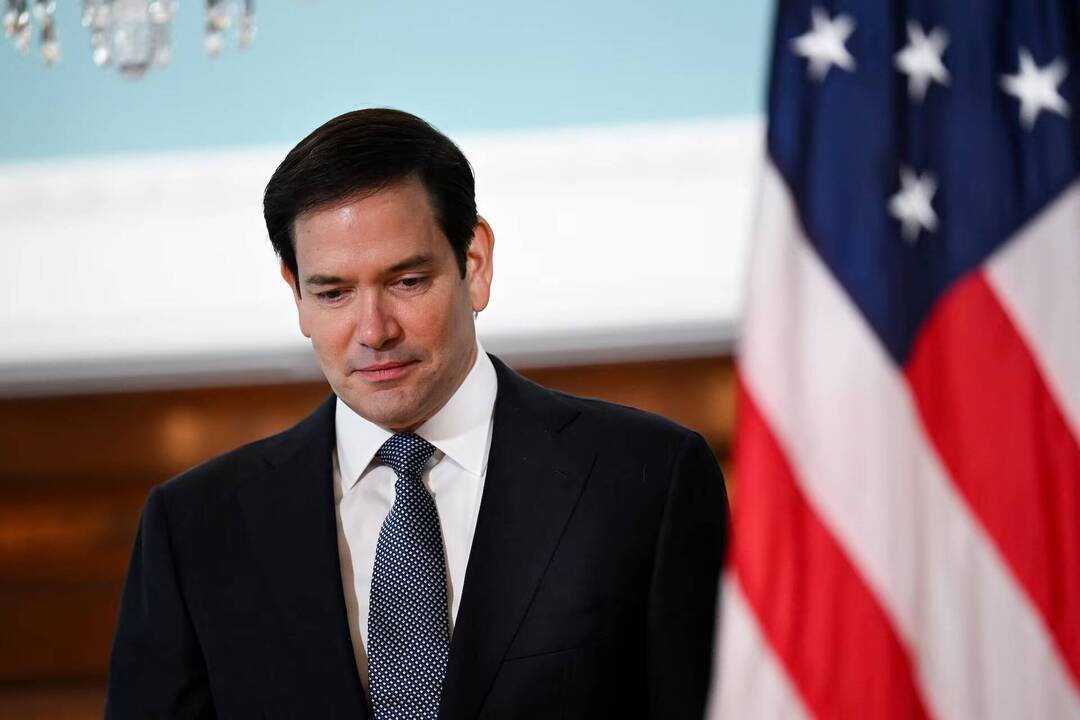
The United States has made a significant reversal in its stance on Venezuela, with US Secretary of State Marco Rubio stating that the country will not take a day-to-day role in governing Venezuela. This statement comes after US President Donald Trump’s claim on Saturday that the US would be running Venezuela following the ouster of leader Nicolas Maduro. The sudden change in stance has raised eyebrows and sparked a flurry of questions about the US’s intentions in Venezuela.
On Sunday, Rubio suggested that the US would instead focus on enforcing an existing “oil quarantine” on Venezuela, which aims to restrict the country’s oil exports and put pressure on the Maduro regime. This move is seen as an attempt to cripple the Venezuelan economy and force Maduro to step down. The oil quarantine is a key component of the US’s strategy to exert pressure on the Venezuelan government, and it is likely to have significant implications for the country’s economy and people.
The US’s initial claim that it would be running Venezuela was met with widespread criticism and skepticism. Many experts and analysts argued that such a move would be a clear violation of Venezuela’s sovereignty and would likely lead to a significant escalation of the crisis. The US’s history of intervention in Latin America has been marked by controversy and criticism, and many were concerned that the US’s involvement in Venezuela would follow a similar pattern.
Rubio’s statement on Sunday appears to be an attempt to walk back Trump’s claim and provide a more nuanced and realistic assessment of the US’s role in Venezuela. By stating that the US will not take a day-to-day role in governing Venezuela, Rubio is acknowledging that the US’s involvement in the country will be limited to supporting the opposition and exerting pressure on the Maduro regime, rather than actively governing the country.
The US’s decision to enforce an oil quarantine on Venezuela is a significant move that is likely to have far-reaching implications for the country’s economy and people. Venezuela is heavily reliant on oil exports, and the quarantine is likely to severely limit the country’s ability to generate revenue. This could lead to a significant deterioration in living standards and a exacerbation of the humanitarian crisis that is already affecting millions of Venezuelans.
The US’s actions in Venezuela are part of a broader effort to support the opposition and bring an end to the Maduro regime. The US has been a key supporter of the opposition, and has provided significant funding and diplomatic backing to the opposition leader, Juan Guaido. The US has also imposed significant sanctions on the Maduro regime, including targeting key officials and restricting the country’s access to international financial markets.
Despite the US’s efforts, the situation in Venezuela remains highly uncertain and volatile. The Maduro regime remains in power, and the opposition is struggling to gain traction and build momentum. The humanitarian crisis continues to worsen, and millions of Venezuelans are suffering as a result of the economic collapse and lack of access to basic necessities like food and medicine.
In conclusion, the US’s U-turn on governing Venezuela is a significant development that reflects the complexity and uncertainty of the situation in the country. The US’s decision to enforce an oil quarantine on Venezuela is a significant move that is likely to have far-reaching implications for the country’s economy and people. As the situation continues to unfold, it is clear that the US’s role in Venezuela will be closely watched and scrutinized, and that the country’s future remains highly uncertain.
The US’s actions in Venezuela are part of a broader effort to support democracy and human rights in the region. The US has a long history of involvement in Latin America, and its actions in Venezuela are seen as part of a broader effort to promote stability and prosperity in the region. However, the US’s actions have also been criticized for being heavy-handed and overly interventionist, and it remains to be seen how the situation in Venezuela will ultimately play out.
As the situation in Venezuela continues to unfold, it is clear that the US’s role in the country will be a key factor in determining the outcome. The US’s decision to enforce an oil quarantine on Venezuela is a significant move that is likely to have far-reaching implications for the country’s economy and people. Whether the US’s actions will ultimately lead to a resolution of the crisis or a further escalation of the situation remains to be seen.
About the Author