We need to move beyond AI slop debates: Microsoft CEO Nadella
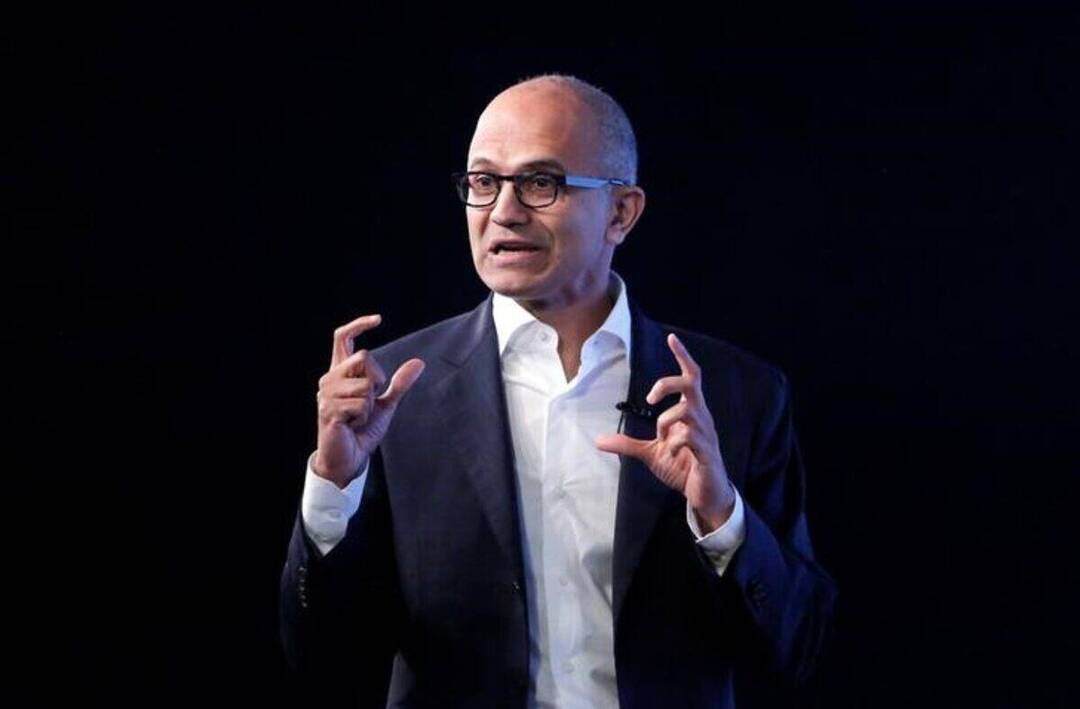
The world of artificial intelligence (AI) has been abuzz with debates and discussions about the potential of this technology to revolutionize various aspects of our lives. However, according to Microsoft CEO Satya Nadella, it’s time to move beyond the arguments and focus on the real-world impact of AI. In a recent statement, Nadella emphasized the need to “get beyond the arguments of slop vs sophistication” and instead, focus on how people choose to apply AI in their daily lives.
Nadella’s statement comes at a time when the AI community is divided on the potential benefits and drawbacks of this technology. On one hand, there are those who believe that AI has the potential to bring about significant improvements in various fields such as healthcare, education, and transportation. On the other hand, there are those who are concerned about the potential risks and downsides of AI, including job displacement, bias, and loss of human touch.
However, Nadella’s statement suggests that these debates are not as relevant as they seem. According to him, what matters isn’t the power of any particular AI model, but how people choose to apply it. This means that instead of focusing on the technical capabilities of AI, we should be focusing on how it can be used to improve people’s lives and make a positive impact on society.
Nadella also emphasized the need to develop a new equilibrium that accounts for humans being equipped with these new cognitive amplifier tools as we relate to each other. This means that we need to rethink our relationships, our communication styles, and our ways of working together in the age of AI. We need to recognize that AI is not just a tool, but a partner that can augment human capabilities and enhance our productivity and creativity.
So, what does this mean for businesses, governments, and individuals? For starters, it means that we need to shift our focus from the technical aspects of AI to its practical applications. We need to ask ourselves how AI can be used to solve real-world problems, improve customer experiences, and create new opportunities for growth and innovation.
It also means that we need to invest in education and training programs that can help people develop the skills they need to work with AI. This includes not just technical skills, but also soft skills such as communication, empathy, and critical thinking. By doing so, we can ensure that AI is used in a way that complements human capabilities, rather than replacing them.
Furthermore, Nadella’s statement highlights the need for a more nuanced and balanced approach to AI development and deployment. This means that we need to consider not just the benefits of AI, but also its potential risks and downsides. We need to develop AI systems that are transparent, accountable, and fair, and that prioritize human well-being and safety above all else.
In conclusion, Microsoft CEO Satya Nadella’s statement is a timely reminder that the debate around AI needs to move beyond the arguments of slop vs sophistication. Instead, we need to focus on the real-world impact of AI and how it can be used to improve people’s lives and make a positive difference in society. By doing so, we can unlock the full potential of AI and create a brighter future for all.
As Nadella said, “We need to develop a new equilibrium…that accounts for humans being equipped with these new cognitive amplifier tools as we relate to each other.” This is a challenge that requires the collective efforts of businesses, governments, and individuals. It requires us to think differently about AI, to experiment with new ideas and approaches, and to be open to learning and feedback.
Ultimately, the future of AI is not just about the technology itself, but about how we choose to use it. It’s about creating a world where AI is a tool that enhances human capabilities, rather than replacing them. It’s about creating a world where AI is used to solve real-world problems, improve people’s lives, and create new opportunities for growth and innovation.
About the Author