In a U-turn, US says it won’t govern Venezuela
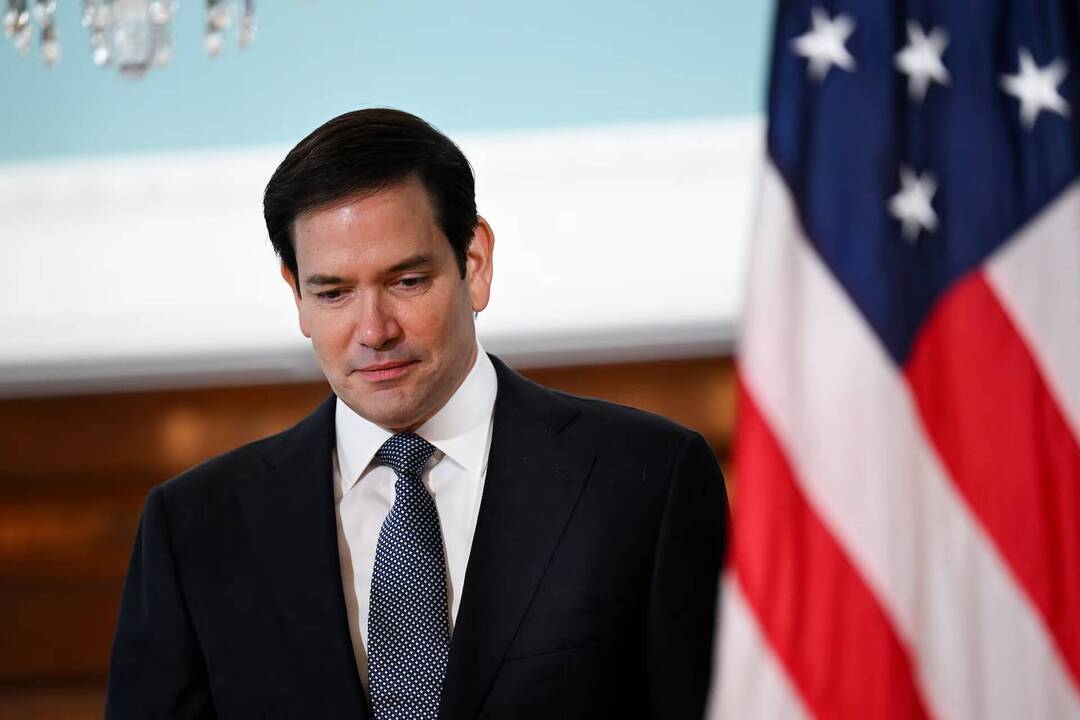
The United States has made a significant reversal in its stance on Venezuela, with Secretary of State Marco Rubio suggesting that the country will not take a day-to-day role in governing the South American nation. This statement comes after US President Donald Trump’s remarks on Saturday, where he claimed that the United States would be running Venezuela following the ouster of leader Nicolas Maduro.
The sudden change in the US government’s stance has raised eyebrows, with many analysts viewing it as a major U-turn in the country’s policy towards Venezuela. Rubio’s statement has been seen as an attempt to walk back Trump’s comments, which were widely criticized for being overly aggressive and interventionist.
According to Rubio, the US will instead focus on enforcing an existing “oil quarantine” on Venezuela, which aims to restrict the country’s oil exports and put pressure on the Maduro regime. This move is seen as an effort to weaken the Venezuelan government’s grip on power, without directly intervening in the country’s internal affairs.
The US has been a vocal critic of the Maduro regime, with the Trump administration imposing several rounds of sanctions on the country in recent years. The US has also been a strong supporter of opposition leader Juan Guaido, who has been recognized by many countries as the legitimate president of Venezuela.
However, Trump’s comments on Saturday sparked widespread concern, with many experts warning that direct US intervention in Venezuela could lead to a catastrophic conflict. The Venezuelan military has been loyal to Maduro, and any attempt by the US to impose its will on the country could lead to a violent backlash.
Rubio’s statement has been seen as an attempt to calm the waters and reassure the international community that the US is not seeking to impose its will on Venezuela. The Secretary of State emphasized that the US will work with other countries in the region to support a peaceful transition to democracy in Venezuela, rather than seeking to govern the country itself.
The US has been working with other countries in the region, including Colombia and Brazil, to put pressure on the Maduro regime and support the opposition. However, the US has also been criticized for its heavy-handed approach, with many arguing that the country’s sanctions have only served to worsen the humanitarian crisis in Venezuela.
The oil quarantine is seen as a key part of the US strategy to pressure the Maduro regime, with the country’s oil exports being a major source of revenue for the government. By restricting these exports, the US hopes to weaken the regime’s grip on power and create an opportunity for the opposition to take control.
However, the effectiveness of this strategy is still unclear, with many experts warning that it could have unintended consequences. The Venezuelan economy is already in a state of crisis, with widespread poverty and shortages of basic goods. Any further restrictions on the country’s oil exports could exacerbate this crisis, leading to even greater suffering for the Venezuelan people.
In conclusion, the US has made a significant U-turn in its stance on Venezuela, with Secretary of State Marco Rubio suggesting that the country will not take a day-to-day role in governing the South American nation. Instead, the US will focus on enforcing an existing “oil quarantine” on Venezuela, in an effort to weaken the Maduro regime and support a peaceful transition to democracy. While this move is seen as a more nuanced approach, it is still unclear whether it will be effective in achieving the US’s goals in Venezuela.
About the Author