In a U-turn, US says it won’t govern Venezuela
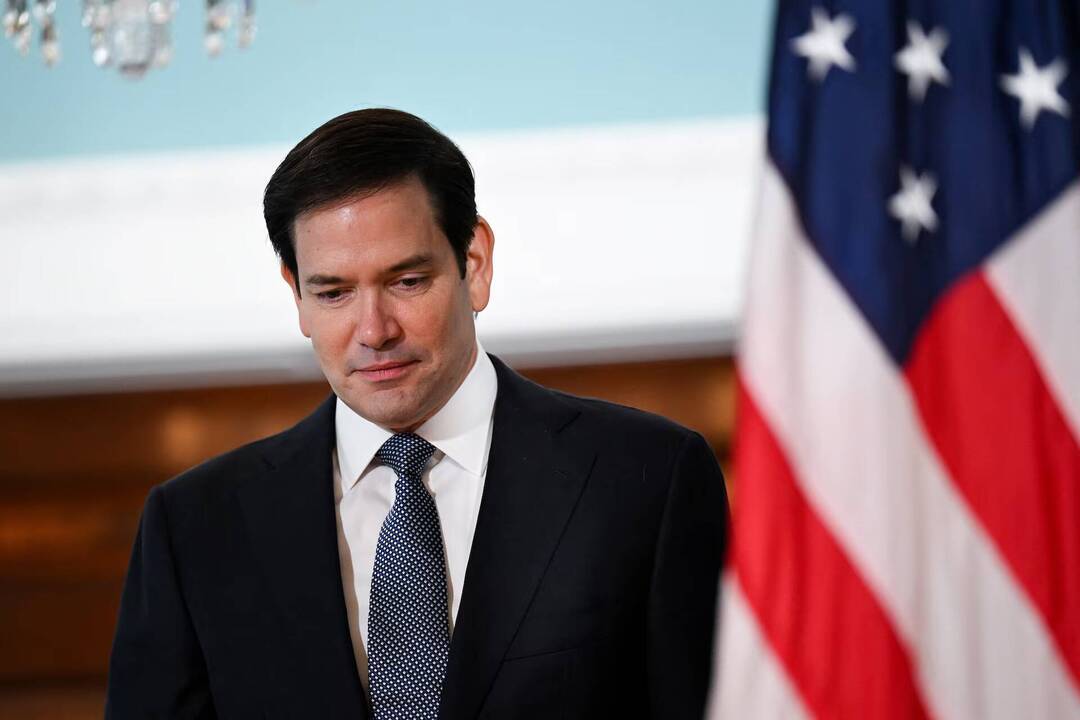
The United States has made a significant U-turn in its stance on Venezuela, with Secretary of State Marco Rubio suggesting that the country would not take a day-to-day role in governing the South American nation. This statement comes after US President Donald Trump’s recent claim that the US would be running Venezuela following the ouster of leader Nicolas Maduro. The sudden change in stance has raised eyebrows and sparked debate about the US’s intentions in the region.
On Saturday, President Trump made headlines when he stated that the US would be taking control of Venezuela, sparking concerns about the implications of such a move. However, just a day later, Secretary of State Marco Rubio walked back on the President’s claim, stating that the US would not be involved in the day-to-day governance of Venezuela. Instead, Rubio emphasized that the US would focus on enforcing an existing “oil quarantine” on the country.
The “oil quarantine” refers to the economic sanctions imposed on Venezuela by the US, which aim to limit the country’s ability to export oil and thereby cripple its economy. The sanctions are part of a broader effort by the US to pressure the Venezuelan government into stepping down and allowing for a transition to a new, democratically-elected government.
The US has been a vocal critic of the Maduro regime, which it accuses of human rights abuses, corruption, and authoritarianism. The country has been plagued by economic crisis, hyperinflation, and food and medicine shortages, leading to a massive migration of Venezuelans to neighboring countries.
The US’s initial statement about taking control of Venezuela was met with skepticism and concern from many in the international community. The idea of one country taking control of another’s government is a sensitive topic, and many feared that such a move would be a violation of Venezuela’s sovereignty.
Rubio’s clarification on Sunday helped to alleviate some of these concerns, but questions still remain about the US’s intentions in the region. The US has a long history of intervening in the affairs of Latin American countries, and many are wary of its motives in Venezuela.
The US’s approach to Venezuela is not without controversy. Some argue that the economic sanctions imposed on the country are hurting ordinary Venezuelans more than the government, and that a more nuanced approach is needed to address the crisis. Others argue that the US is using Venezuela as a proxy in its broader struggle against socialism and left-wing governments in the region.
Despite these concerns, the US remains a key player in the international effort to address the crisis in Venezuela. The country has provided significant humanitarian aid to Venezuela and has been a vocal supporter of the opposition movement.
As the situation in Venezuela continues to unfold, it remains to be seen what role the US will play in the country’s future. While the US may not be taking a day-to-day role in governing Venezuela, it is clear that the country will continue to be a major player in the region.
In conclusion, the US’s U-turn on its stance on Venezuela is a significant development in the ongoing crisis. While the country’s intentions in the region remain unclear, one thing is certain: the US will continue to play a major role in shaping the future of Venezuela. As the situation continues to evolve, it is essential to stay informed and up-to-date on the latest developments.
About the Author