OPEC+ keeps oil output steady amid global turmoil
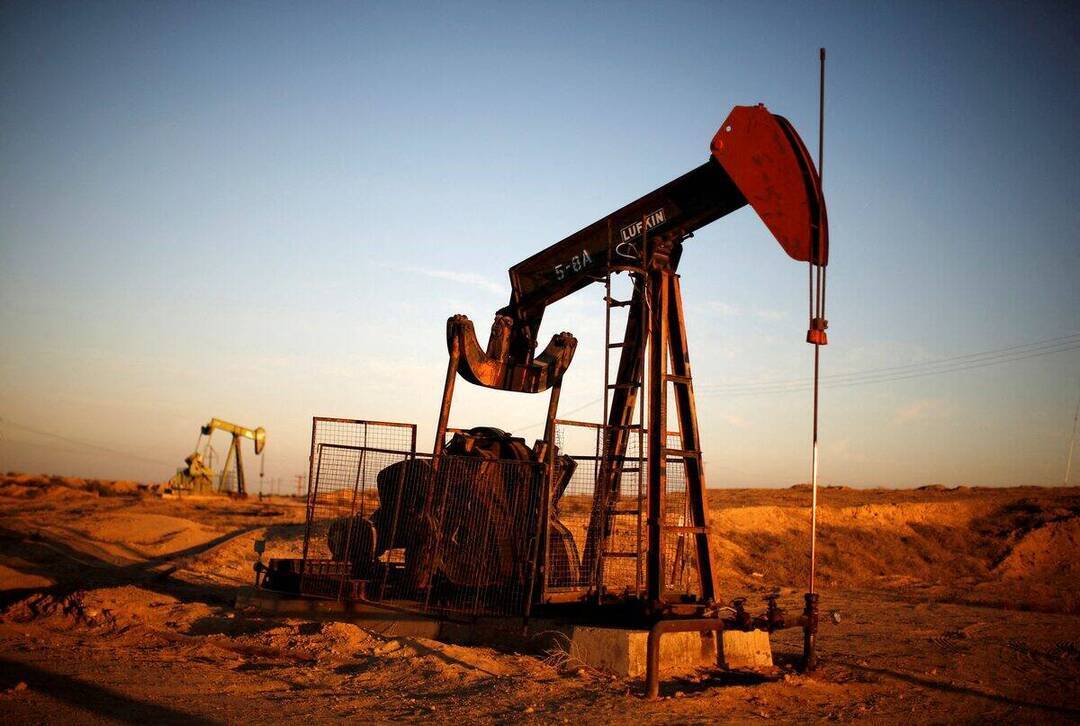
The Organization of the Petroleum Exporting Countries (OPEC) and its allies, collectively known as OPEC+, made a significant decision on Sunday to maintain their current oil output levels. This move comes at a time when the global energy landscape is facing unprecedented turmoil, with the recent US attack on Venezuela being a prime example. The decision was made during a brief 10-minute meeting, where reportedly, the topic of Venezuela was not even discussed.
For those who may not be aware, Venezuela is a nation with the world’s largest oil reserves, and the recent US attack has sent shockwaves throughout the global energy sector. The US has stated that its oil companies will be involved in fixing Venezuela’s “badly broken” oil infrastructure, a move that is likely to have significant implications for the global oil market.
Despite these developments, OPEC+ has chosen to maintain the status quo, keeping oil output steady. This decision is likely to have far-reaching consequences, not just for the global energy market, but also for the economies of nations that are heavily reliant on oil exports. The fact that OPEC+ did not discuss Venezuela during their meeting suggests that the group is adopting a wait-and-see approach, choosing not to intervene in the matter at this point in time.
OPEC+, which comprises eight nations that produce about half of the world’s oil, has been instrumental in shaping the global energy landscape in recent years. The group’s decisions on oil output have a significant impact on the global economy, influencing everything from fuel prices to the stock market. By choosing to keep oil output steady, OPEC+ is essentially maintaining the current balance of the global energy market, avoiding any drastic measures that could exacerbate the existing turmoil.
The decision to maintain oil output levels is also a testament to the group’s commitment to stability and predictability in the global energy market. In recent years, OPEC+ has been working to balance the global oil market, taking steps to prevent price volatility and ensure a stable supply of oil to meet growing global demand. By keeping oil output steady, the group is essentially sticking to its existing plan, choosing not to rock the boat at a time when the global energy landscape is already facing significant challenges.
The recent US attack on Venezuela has significant implications for the global energy market, particularly in the context of OPEC+. Venezuela’s oil reserves are the largest in the world, and any disruption to the country’s oil production is likely to have far-reaching consequences. The fact that the US has stated its intention to fix Venezuela’s “badly broken” oil infrastructure suggests that the country’s oil production is likely to increase in the near future, potentially altering the global energy landscape.
In this context, OPEC+’s decision to maintain oil output levels can be seen as a strategic move to counterbalance the potential increase in Venezuelan oil production. By keeping oil output steady, the group is essentially maintaining the current balance of the global energy market, preventing any significant disruptions that could arise from an increase in Venezuelan oil production.
The global energy landscape is facing unprecedented challenges, from the recent US attack on Venezuela to the ongoing turmoil in the Middle East. In this context, OPEC+’s decision to maintain oil output levels is a significant development, one that is likely to have far-reaching consequences for the global energy market. As the situation continues to unfold, it will be interesting to see how OPEC+ responds to the changing global energy landscape, and whether the group will choose to adjust its oil output levels in response to emerging developments.
In conclusion, OPEC+’s decision to keep oil output steady amid global turmoil is a significant development, one that is likely to have far-reaching consequences for the global energy market. The group’s commitment to stability and predictability is evident in its decision, and it will be interesting to see how the situation unfolds in the coming weeks and months. As the global energy landscape continues to evolve, one thing is certain – OPEC+ will remain a key player, shaping the course of the global energy market with its decisions on oil output.
About the Author