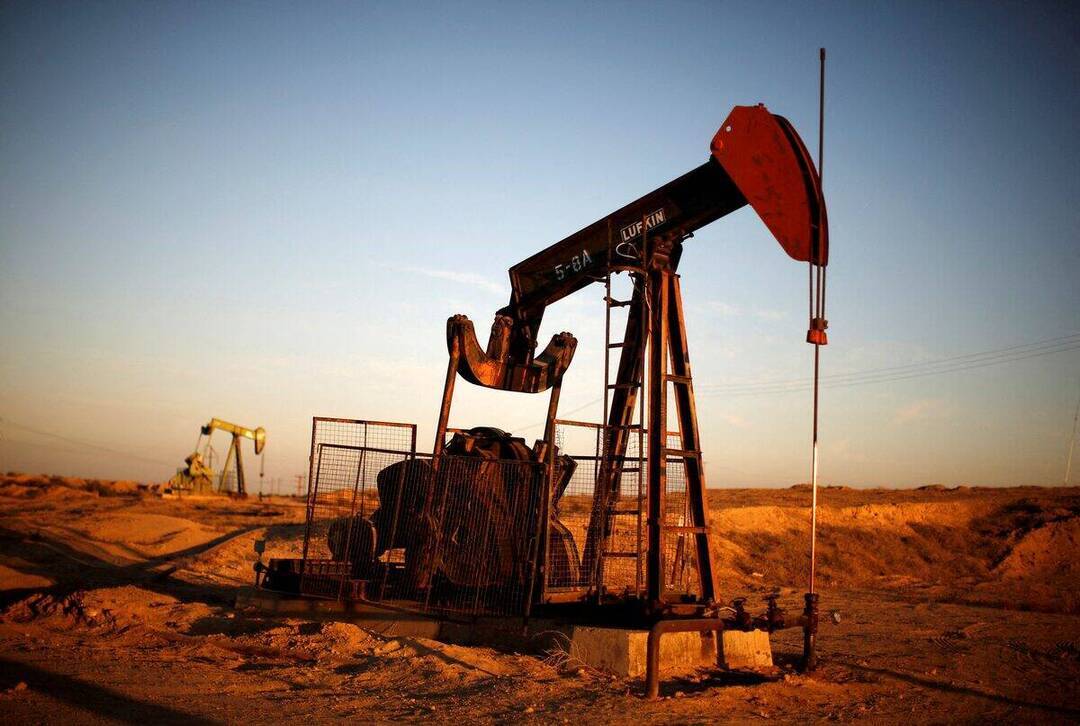
OPEC+ keeps oil output steady amid global turmoil
The Organization of the Petroleum Exporting Countries (OPEC) and its allies, collectively known as OPEC+, made a significant decision on Sunday to maintain their current oil output levels, despite the ongoing global turmoil. This move comes as a surprise to many, given the recent developments in the oil-rich nation of Venezuela, which has the world’s largest oil reserves. The US recently launched an attack on Venezuela, with the intention of fixing the country’s “badly broken” oil infrastructure, according to statements made by US officials.
The OPEC+ meeting, which lasted a mere 10 minutes, did not reportedly discuss the situation in Venezuela, according to sources familiar with the matter. This lack of discussion is puzzling, given the significant impact that the US actions in Venezuela could have on the global oil market. Venezuela’s oil reserves are estimated to be the largest in the world, and any disruption to the country’s oil production could have far-reaching consequences for the global economy.
The decision to maintain current oil output levels was likely made to ensure stability in the global oil market, which has been volatile in recent months. OPEC+ has been working to balance the global oil market, and the current output levels have been seen as a key factor in maintaining this balance. However, the recent developments in Venezuela have raised concerns about the potential for supply disruptions, which could impact the global oil market.
The US attack on Venezuela has been seen as a significant escalation of tensions in the region, and has raised concerns about the potential for further conflict. The US has stated that its intention is to fix Venezuela’s oil infrastructure, which has been severely damaged in recent years due to a combination of factors, including mismanagement and lack of investment. However, the move has been met with skepticism by many, who see it as an attempt to exert control over Venezuela’s oil resources.
The impact of the US actions in Venezuela on the global oil market is still unclear, but it is likely to be significant. Venezuela’s oil production has been in decline in recent years, due to a combination of factors, including US sanctions and mismanagement. However, the country still has significant oil reserves, and any disruption to production could have far-reaching consequences for the global economy.
OPEC+ has been working to maintain stability in the global oil market, and the decision to maintain current output levels is likely an attempt to mitigate the potential impact of the US actions in Venezuela. The group, which produces about half of the world’s oil, has been working to balance the global oil market, and the current output levels have been seen as a key factor in maintaining this balance.
However, the decision to maintain current output levels has also been met with criticism from some, who argue that it does not go far enough to address the potential supply disruptions caused by the US actions in Venezuela. Some have called for OPEC+ to increase production to offset the potential losses from Venezuela, while others have argued that the group should decrease production to maintain prices.
The situation in Venezuela is complex, and the impact of the US actions on the global oil market is still unclear. However, one thing is certain: the decision by OPEC+ to maintain current oil output levels is a significant development, and will likely have far-reaching consequences for the global economy.
In conclusion, the decision by OPEC+ to maintain current oil output levels amid global turmoil is a significant development, and will likely have far-reaching consequences for the global economy. The situation in Venezuela is complex, and the impact of the US actions on the global oil market is still unclear. However, one thing is certain: the decision by OPEC+ to maintain current output levels is an attempt to maintain stability in the global oil market, and will likely be closely watched by investors and analysts in the coming weeks and months.
As the situation continues to unfold, it will be important to monitor the developments in Venezuela and their impact on the global oil market. The decision by OPEC+ to maintain current output levels is just the beginning, and it is likely that there will be further developments in the coming weeks and months.
About the Author