In a U-turn, US says it won’t govern Venezuela
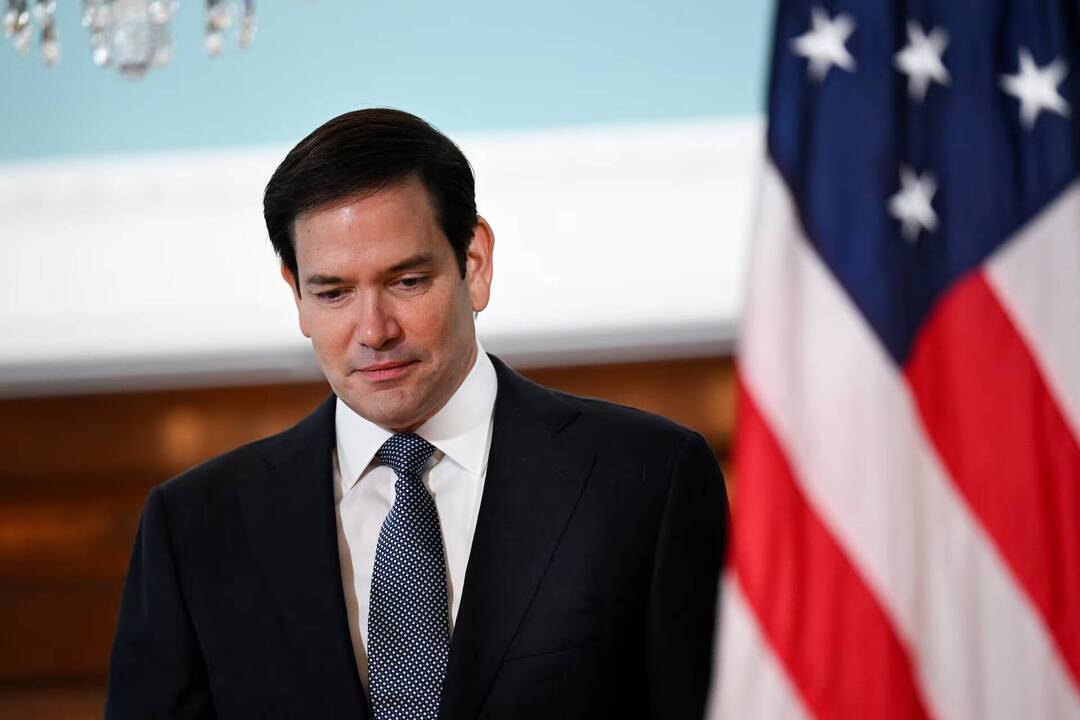
The United States has made a significant reversal in its stance on Venezuela, with Secretary of State Marco Rubio suggesting that the country will not take a day-to-day role in governing the South American nation. This statement comes after US President Donald Trump’s claim on Saturday that the US would be running Venezuela following the ouster of leader Nicolas Maduro. The sudden change in stance has raised eyebrows, with many wondering what prompted this U-turn.
On Saturday, President Trump made a statement that sparked widespread concern and debate. He claimed that the US would be taking control of Venezuela, implying that the country would be under American governance. This statement was met with criticism and skepticism, with many questioning the legality and feasibility of such a move. However, just a day later, Secretary of State Marco Rubio walked back on the President’s claim, stating that the US would not be involved in the day-to-day governance of Venezuela.
According to Rubio, the US would instead focus on enforcing an existing “oil quarantine” on Venezuela. This move is aimed at restricting the country’s oil exports, which are a significant source of revenue for the Venezuelan government. The oil quarantine is part of a broader set of sanctions imposed on Venezuela by the US, aimed at pressuring the Maduro regime to step down.
The U-turn in the US stance on Venezuela has significant implications for the country and the region. Venezuela has been embroiled in a deepening crisis, with hyperinflation, food and medicine shortages, and a massive migration crisis. The country’s economy has been in free fall, with the IMF predicting a contraction of over 50% in 2019. The situation has been exacerbated by the political crisis, with Maduro’s government facing opposition from the National Assembly and the international community.
The US has been a key player in the Venezuelan crisis, with the Trump administration taking a hardline stance against the Maduro regime. The US has imposed significant sanctions on Venezuela, including restrictions on oil exports, and has recognized opposition leader Juan Guaido as the legitimate president of the country. However, the US has also been criticized for its handling of the crisis, with many arguing that the sanctions are exacerbating the humanitarian situation.
The sudden reversal in the US stance on Venezuela has raised questions about the administration’s strategy and goals. While the US has been clear in its opposition to the Maduro regime, the statement by President Trump on Saturday suggested a more interventionist approach. The subsequent walk-back by Secretary of State Rubio has clarified that the US will not be involved in the day-to-day governance of Venezuela, but the episode has highlighted the complexities and challenges of US policy in the region.
The enforcement of the oil quarantine on Venezuela is a significant move, aimed at restricting the country’s oil exports and putting pressure on the Maduro regime. Venezuela is heavily reliant on oil exports, which account for over 90% of the country’s export revenue. The US sanctions have already had a significant impact on the country’s oil industry, with production levels plummeting in recent years. The oil quarantine is likely to further exacerbate the situation, making it even more difficult for the Venezuelan government to access revenue.
The implications of the US stance on Venezuela are far-reaching, with significant consequences for the country, the region, and the global economy. The Venezuelan crisis has already had a significant impact on the region, with millions of migrants fleeing the country and putting pressure on neighboring economies. The situation has also had a significant impact on global oil markets, with Venezuela’s oil production decline contributing to higher oil prices.
In conclusion, the U-turn in the US stance on Venezuela has significant implications for the country and the region. While the US has clarified that it will not be involved in the day-to-day governance of Venezuela, the enforcement of the oil quarantine is a significant move aimed at restricting the country’s oil exports and putting pressure on the Maduro regime. The situation in Venezuela remains complex and challenging, with significant humanitarian, economic, and political implications. As the situation continues to unfold, it is essential to monitor developments closely and consider the potential consequences of US policy in the region.
About the Author