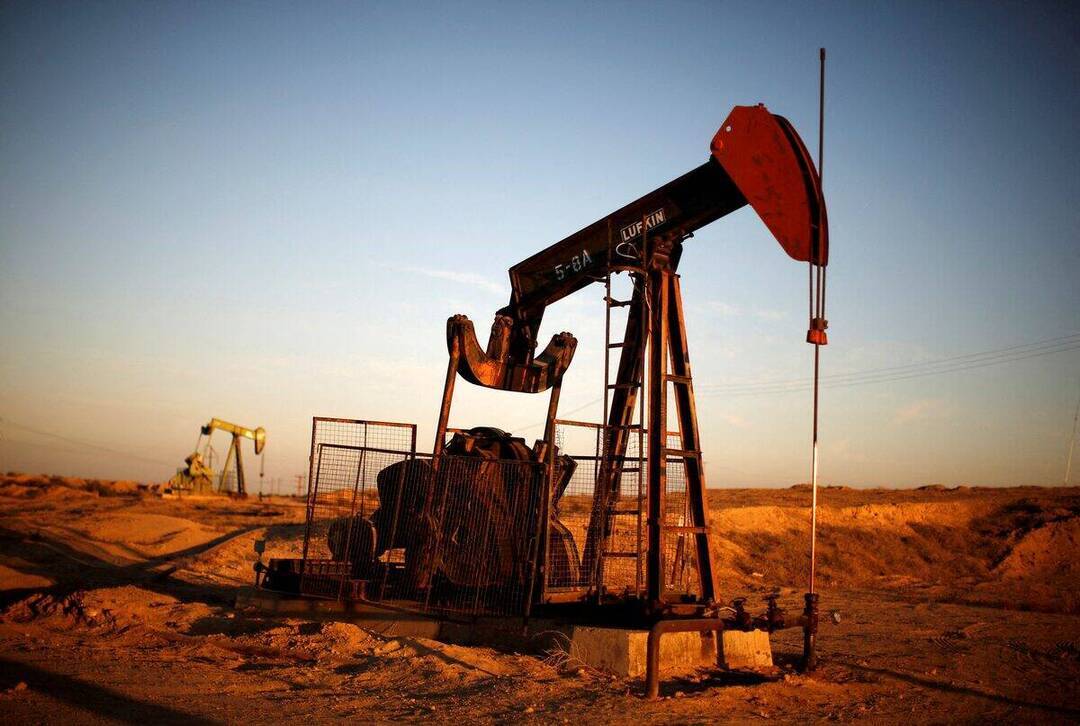
OPEC+ keeps oil output steady amid global turmoil
The Organization of the Petroleum Exporting Countries (OPEC) and its allies, collectively known as OPEC+, made a significant decision on Sunday to maintain their current oil output levels. This move comes amidst a backdrop of global turmoil, with the US recently launching an attack on Venezuela, a country that boasts the world’s largest oil reserves. The decision to keep oil output steady was made during a brief 10-minute meeting, which reportedly did not include any discussions about Venezuela.
The OPEC+ group, which is responsible for producing approximately half of the world’s oil, has been closely watched by energy markets and analysts in recent weeks. The US attack on Venezuela has sent shockwaves through the global energy sector, with many experts predicting a potential disruption to oil supplies. However, the OPEC+ decision to maintain current output levels suggests that the group is seeking to stabilize the market and prevent any further volatility.
The US attack on Venezuela has been widely condemned by the international community, with many countries expressing concerns about the potential consequences for the global energy market. The US has stated that its goal is to help fix Venezuela’s “badly broken” oil infrastructure, with the aim of increasing oil production and exports. However, this move has been met with skepticism by many experts, who argue that it could lead to further instability and conflict in the region.
Despite the turmoil surrounding Venezuela, the OPEC+ group appears to be taking a cautious approach to managing oil output. By maintaining current production levels, the group is seeking to balance the needs of its member countries with the demands of the global energy market. This approach is likely to be closely watched by energy traders and analysts, who will be looking for any signs of changes in oil output or production levels.
The decision to keep oil output steady is also likely to have significant implications for the global economy. Oil prices have been highly volatile in recent weeks, with prices fluctuating in response to news about the US attack on Venezuela and the OPEC+ meeting. By maintaining current output levels, the OPEC+ group is seeking to stabilize the market and prevent any further price increases. This could have a positive impact on the global economy, as lower oil prices could help to boost economic growth and reduce inflation.
However, the decision to keep oil output steady has also been met with criticism from some quarters. Some experts argue that the OPEC+ group should be doing more to address the global energy crisis, particularly in light of the US attack on Venezuela. They argue that the group has a responsibility to ensure that oil supplies are stable and secure, and that the current output levels may not be sufficient to meet growing global demand.
In response to these criticisms, the OPEC+ group has argued that it is taking a responsible and cautious approach to managing oil output. The group has stated that it is committed to ensuring that oil supplies are stable and secure, and that it will continue to monitor the market and adjust output levels as needed. This approach is likely to be closely watched by energy traders and analysts, who will be looking for any signs of changes in oil output or production levels.
The OPEC+ decision to keep oil output steady is also likely to have significant implications for the environment. The production and consumption of oil are major contributors to greenhouse gas emissions, which are driving climate change. By maintaining current output levels, the OPEC+ group is effectively perpetuating the status quo, rather than taking steps to reduce oil production and transition to cleaner energy sources.
However, the OPEC+ group has argued that it is committed to reducing its environmental impact, and that it is taking steps to increase energy efficiency and reduce emissions. The group has stated that it is investing in new technologies and infrastructure, with the aim of reducing the environmental impact of oil production and consumption. This approach is likely to be closely watched by environmental groups and activists, who will be looking for any signs of progress or commitment to reducing emissions.
In conclusion, the OPEC+ decision to keep oil output steady is a significant development in the global energy market. The group’s decision to maintain current production levels suggests that it is seeking to stabilize the market and prevent any further volatility. However, the decision has also been met with criticism from some quarters, with some experts arguing that the group should be doing more to address the global energy crisis. As the global energy market continues to evolve, it is likely that the OPEC+ group will face ongoing challenges and criticisms, and it will be important for the group to continue to monitor the market and adjust output levels as needed.
The latest developments in the global energy market can be found at:
https://www.reuters.com/business/energy/opec-keep-oil-output-steady-despite-turmoil-among-members-sources-say-2026-01-04/
About the Author