In a U-turn, US says it won’t govern Venezuela
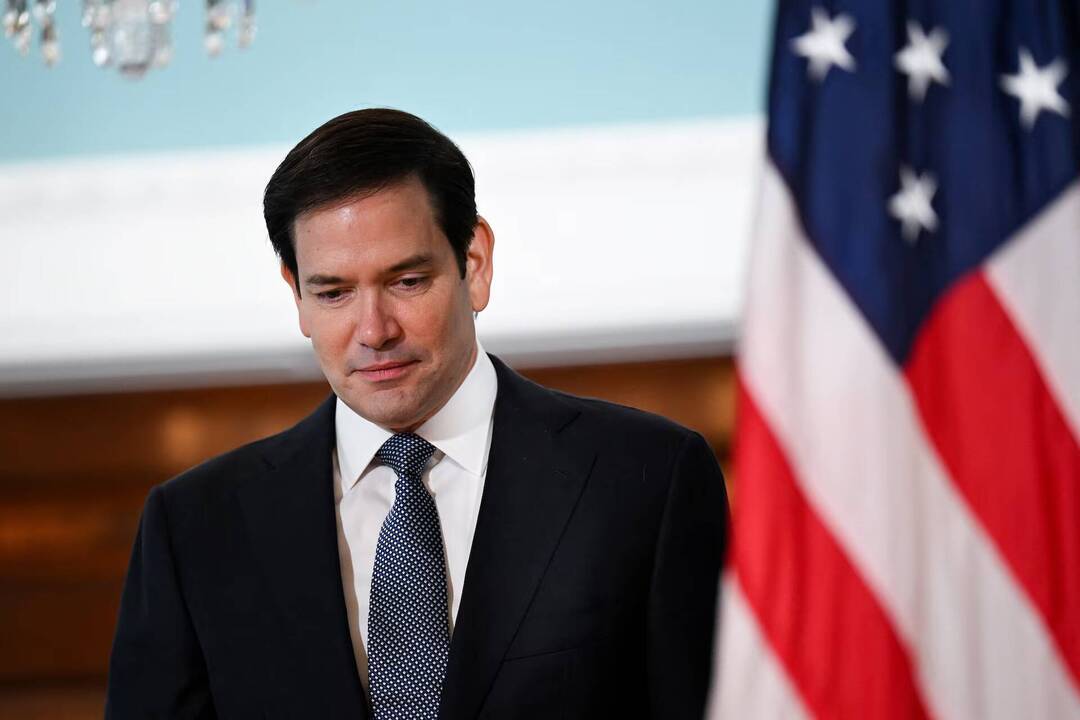
The United States has made a significant reversal in its stance on Venezuela, with US Secretary of State Marco Rubio suggesting that the country will not take a day-to-day role in governing the South American nation. This comes after US President Donald Trump stated on Saturday that the US would be running Venezuela following the ouster of leader Nicolas Maduro. The sudden change in stance has left many wondering about the future of US-Venezuela relations and the implications of this U-turn.
On Sunday, Rubio clarified that the US would not be involved in the day-to-day governance of Venezuela, instead focusing on supporting the Venezuelan people and enforcing an existing “oil quarantine” on the country. This quarantine, which aims to restrict Venezuela’s oil exports, is a key part of the US’s efforts to pressure the Maduro regime and bring about a transition to democracy.
The US has been a vocal critic of the Maduro regime, which has been accused of human rights abuses, corruption, and mismanagement of the country’s economy. The US, along with many other countries, has recognized Juan Guaido, the leader of the Venezuelan opposition, as the legitimate president of Venezuela.
Despite this, the US’s role in Venezuela has been the subject of much debate and controversy. Many have accused the US of seeking to impose its own brand of democracy on the country, and of using economic sanctions and other forms of pressure to achieve its goals. The US’s history of intervention in Latin America, including its support for coups and authoritarian regimes, has also raised concerns about its motives in Venezuela.
The U-turn by the US comes after President Trump’s statement on Saturday, which seemed to suggest that the US would be taking a more direct role in governing Venezuela. Trump’s comments were widely criticized, with many arguing that they represented a form of imperialism and a disregard for Venezuela’s sovereignty.
Rubio’s clarification on Sunday appears to be an attempt to walk back Trump’s comments and reassure the international community that the US is committed to supporting the Venezuelan people, rather than seeking to impose its own rule on the country. However, the damage may already have been done, and the US’s credibility on the issue of Venezuela may have been undermined.
The implications of this U-turn are significant, and will likely be felt for some time to come. The US’s decision not to govern Venezuela directly may help to alleviate concerns about imperialism and intervention, but it also raises questions about the effectiveness of the US’s strategy in the country. The “oil quarantine” that the US plans to enforce may help to pressure the Maduro regime, but it may also have unintended consequences, such as harming the Venezuelan people and exacerbating the country’s economic crisis.
Ultimately, the future of US-Venezuela relations remains uncertain, and it is unclear what the outcome of the current crisis will be. However, one thing is clear: the US’s role in Venezuela will be closely watched, and any further U-turns or reversals in policy will be subject to intense scrutiny and debate.
In conclusion, the US’s decision not to govern Venezuela directly is a significant development, and one that may have far-reaching implications for the country and the region. As the situation continues to unfold, it is essential to stay informed and up-to-date on the latest developments, and to consider the potential consequences of the US’s actions.
About the Author