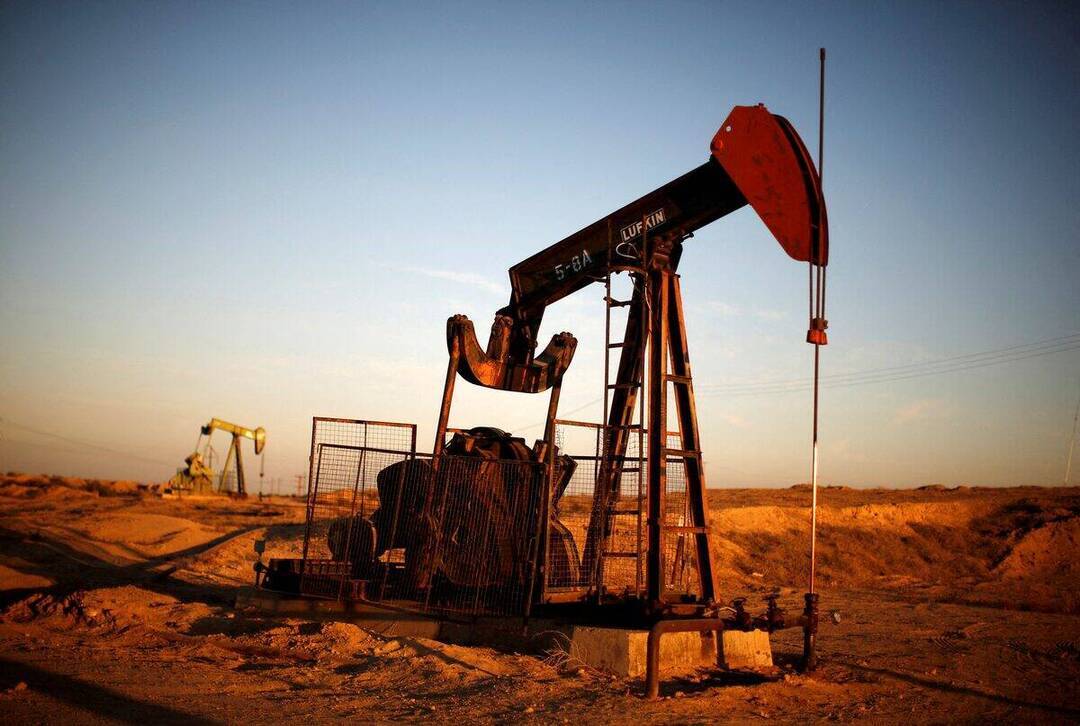
OPEC+ keeps oil output steady amid global turmoil
The Organization of the Petroleum Exporting Countries (OPEC) and its allies, collectively known as OPEC+, made a significant decision on Sunday to maintain their current oil output levels. This move comes at a time of great uncertainty and turmoil in the global energy market. Despite the recent attack on Venezuela by the US, which has the world’s largest oil reserves, OPEC+ has chosen to keep its production steady.
The meeting, which lasted a mere 10 minutes, did not reportedly discuss Venezuela, a country that has been a key player in the global oil market. The US recently launched an attack on Venezuela, citing the need to address the country’s “badly broken” oil infrastructure. The US has stated that its oil companies will work to fix Venezuela’s oil infrastructure, which has been plagued by years of mismanagement and underinvestment.
The decision by OPEC+ to maintain its current oil output levels is a significant development, given the current state of the global energy market. The group, which produces about half of the world’s oil, has been under pressure to increase production to meet growing demand. However, with the current turmoil in the market, OPEC+ has chosen to exercise caution and maintain its current production levels.
The global energy market has been impacted by a range of factors, including the COVID-19 pandemic, geopolitical tensions, and supply chain disruptions. The recent attack on Venezuela has added to the uncertainty, with many experts warning of potential supply disruptions and price volatility.
OPEC+ has been working to stabilize the global energy market, and its decision to maintain current production levels is seen as a move to prevent further price increases. The group has been under pressure from consumers to increase production, but it has also been cautious not to flood the market with too much oil, which could lead to a price collapse.
The decision by OPEC+ to keep oil output steady is also seen as a reflection of the group’s commitment to its production agreement. The agreement, which was reached in 2020, aims to stabilize the global energy market and prevent price volatility. By maintaining its current production levels, OPEC+ is demonstrating its commitment to this agreement and its determination to stabilize the market.
The implications of the OPEC+ decision are significant, and will be closely watched by energy market participants. The decision to maintain current production levels will likely have a range of impacts, including on oil prices, energy stocks, and the broader economy.
For consumers, the decision by OPEC+ to keep oil output steady may mean that prices at the pump will remain relatively stable, at least in the short term. However, the long-term implications of the decision are less clear, and will depend on a range of factors, including global demand, supply chain disruptions, and geopolitical tensions.
For energy companies, the decision by OPEC+ to maintain its current production levels may mean that they will need to continue to operate in a challenging environment. The decision may also impact the stock prices of energy companies, which have been volatile in recent months.
In conclusion, the decision by OPEC+ to keep oil output steady amid global turmoil is a significant development, with far-reaching implications for the global energy market. The decision reflects the group’s commitment to its production agreement and its determination to stabilize the market. As the global energy market continues to evolve, it will be important to watch the actions of OPEC+ and other key players, and to consider the potential implications of their decisions.
About the Author