We need to move beyond AI slop debates: Microsoft CEO Nadella
The world of artificial intelligence (AI) has been abuzz with debates and discussions about the potential and limitations of this technology. While some experts have hailed AI as a revolutionary force that will transform the way we live and work, others have raised concerns about its potential risks and drawbacks. However, according to Microsoft CEO Satya Nadella, it’s time to move beyond these debates and focus on the real-world impact of AI.
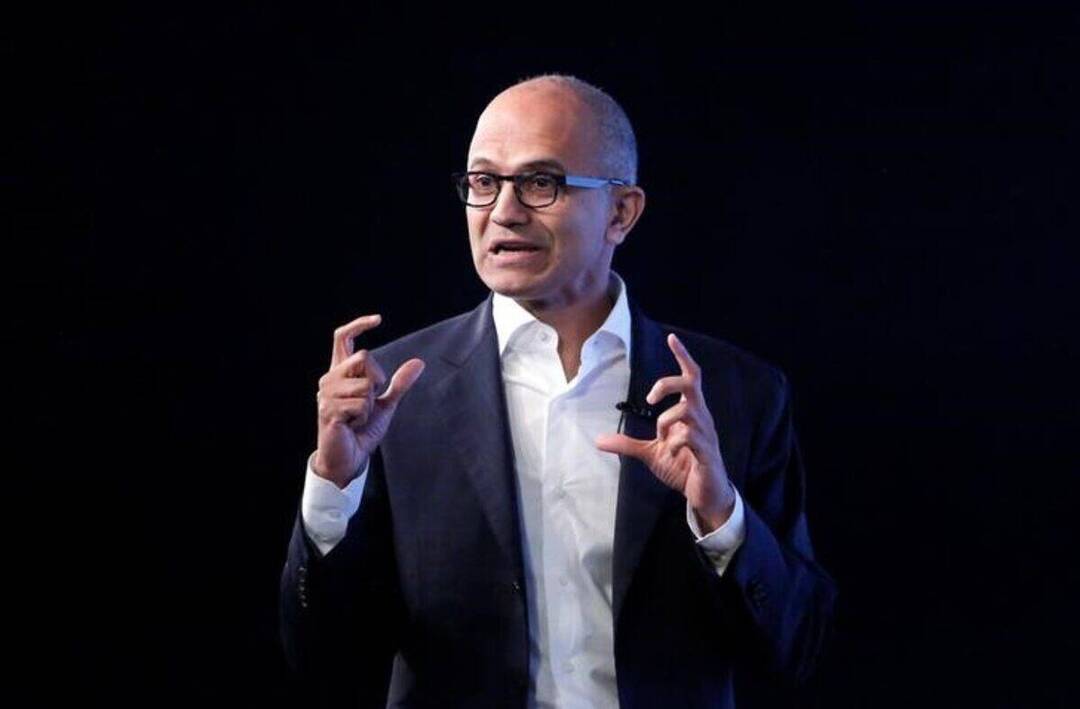
In a recent statement, Nadella said that the world needs to “get beyond the arguments of slop vs sophistication”. He emphasized that the power of any AI model is not the most important factor, but rather how people choose to apply it. “What matters isn’t the power of any…model, but how people choose to apply it,” he stated. This statement highlights the need to shift our focus from the technical capabilities of AI to its practical applications and implications.
Nadella’s comments come at a time when AI is becoming increasingly pervasive in our lives. From virtual assistants like Siri and Alexa to self-driving cars and personalized product recommendations, AI is transforming the way we interact with technology and each other. However, as AI becomes more ubiquitous, it’s essential to consider its potential impact on society and the economy.
According to Nadella, we need to “develop a new equilibrium…that accounts for humans being equipped with these new cognitive amplifier tools as we relate to each other”. This statement highlights the need to create a new balance between humans and technology, one that takes into account the potential benefits and risks of AI. By doing so, we can ensure that AI is used in a way that augments human capabilities, rather than replacing them.
One of the key challenges in achieving this equilibrium is ensuring that AI is developed and used in a responsible and transparent manner. This requires a multidisciplinary approach that involves not just technologists, but also policymakers, ethicists, and social scientists. By working together, we can create a framework for AI development and deployment that prioritizes human well-being and safety.
Another important aspect of moving beyond AI slop debates is focusing on the real-world impact of this technology. Rather than getting bogged down in theoretical discussions about the potential risks and benefits of AI, we need to look at how it is being used in practice. This involves examining the ways in which AI is being applied in different industries and sectors, from healthcare and education to finance and transportation.
By examining the real-world impact of AI, we can identify areas where it is having a positive impact and areas where it is causing problems. For example, AI-powered chatbots are being used in customer service to provide faster and more efficient support, while AI-powered diagnostic tools are being used in healthcare to improve patient outcomes. On the other hand, there are concerns about the potential bias in AI decision-making, as well as the impact of automation on jobs and employment.
Ultimately, the key to moving beyond AI slop debates is to take a nuanced and multifaceted approach to this technology. Rather than seeing AI as a silver bullet or a panacea, we need to recognize its potential benefits and risks, and work to mitigate the latter while amplifying the former. By doing so, we can create a future where AI is used to augment human capabilities, rather than replacing them.
In conclusion, Microsoft CEO Satya Nadella’s comments highlight the need to move beyond AI slop debates and focus on the real-world impact of this technology. By shifting our focus from theoretical discussions to practical applications, we can create a new equilibrium that accounts for humans being equipped with these new cognitive amplifier tools. This requires a multidisciplinary approach that involves not just technologists, but also policymakers, ethicists, and social scientists. By working together, we can ensure that AI is developed and used in a responsible and transparent manner, and that its benefits are shared by all.
About the Author