We need to move beyond AI slop debates: Microsoft CEO Nadella
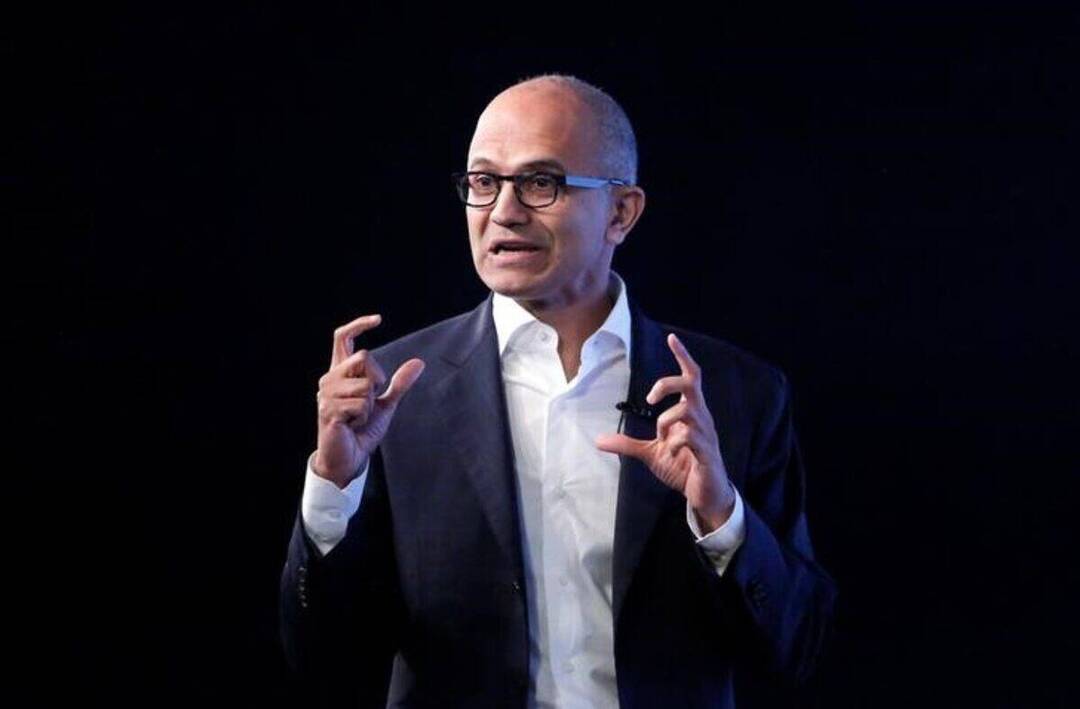
The world of artificial intelligence (AI) has been abuzz with debates and discussions about the potential and limitations of this technology. While some experts argue that AI has the potential to revolutionize various aspects of our lives, others are more skeptical, highlighting the potential risks and challenges associated with its development and deployment. However, according to Microsoft CEO Satya Nadella, it’s time to move beyond these debates and focus on the real-world impact of AI.
In a recent statement, Nadella emphasized the need to “get beyond the arguments of slop vs sophistication” when it comes to AI. He believes that the power of AI models is not the most important factor, but rather how people choose to apply them. “What matters isn’t the power of any…model, but how people choose to apply it,” he stated. This shift in focus is crucial, as it recognizes that AI is not an end in itself, but a tool that can be used to achieve various goals and objectives.
Nadella’s comments highlight the importance of developing a new equilibrium in the way we relate to each other, one that takes into account the fact that humans are now equipped with new cognitive amplifier tools. “We need to…develop a new equilibrium…that accounts for humans being equipped with these new cognitive amplifier tools as we relate to each other,” he added. This new equilibrium will require us to rethink our relationships, our work, and our daily lives, and to consider how AI can be used to augment and enhance human capabilities, rather than simply replacing them.
The debate about AI has often been framed in terms of its potential to replace human workers, with some experts predicting that millions of jobs will be lost due to automation. However, Nadella’s comments suggest that this is a narrow and misguided view of the potential of AI. Rather than focusing on the potential risks and challenges associated with AI, we should be exploring the ways in which it can be used to enhance and augment human capabilities.
One area where AI has the potential to make a significant impact is in the field of healthcare. For example, AI-powered chatbots can be used to provide patients with personalized health advice and support, while AI-powered diagnostic tools can help doctors to identify diseases more accurately and quickly. Similarly, in the field of education, AI-powered adaptive learning systems can be used to provide students with personalized learning experiences, tailored to their individual needs and abilities.
Another area where AI has the potential to make a significant impact is in the field of customer service. AI-powered chatbots can be used to provide customers with quick and efficient support, helping to resolve issues and answer questions in a timely and effective manner. Additionally, AI-powered analytics tools can be used to help businesses to better understand their customers, and to develop more effective marketing and sales strategies.
However, in order to realize the full potential of AI, we need to develop a new equilibrium that takes into account the fact that humans are now equipped with new cognitive amplifier tools. This will require us to rethink our relationships, our work, and our daily lives, and to consider how AI can be used to augment and enhance human capabilities, rather than simply replacing them.
One way to achieve this new equilibrium is by developing AI systems that are transparent, explainable, and accountable. This means that AI systems should be designed to provide clear and concise explanations of their decisions and actions, and to be accountable for any mistakes or errors that they may make. Additionally, AI systems should be designed to be fair and unbiased, and to avoid perpetuating existing social and economic inequalities.
Another way to achieve this new equilibrium is by investing in education and training programs that help people to develop the skills and knowledge they need to work effectively with AI. This includes programs that teach people how to design, develop, and deploy AI systems, as well as programs that teach people how to work effectively with AI-powered tools and systems.
In conclusion, Microsoft CEO Satya Nadella is right to emphasize the need to move beyond the debates about AI and to focus on its real-world impact. By developing a new equilibrium that takes into account the fact that humans are now equipped with new cognitive amplifier tools, we can unlock the full potential of AI and create a future where humans and machines work together to achieve great things.
As we move forward, it’s essential to remember that AI is not a replacement for human intelligence and capabilities, but rather a tool that can be used to augment and enhance them. By working together, we can create a future where AI is used to improve the lives of people around the world, and to create a more equitable, just, and prosperous society for all.
About the Author