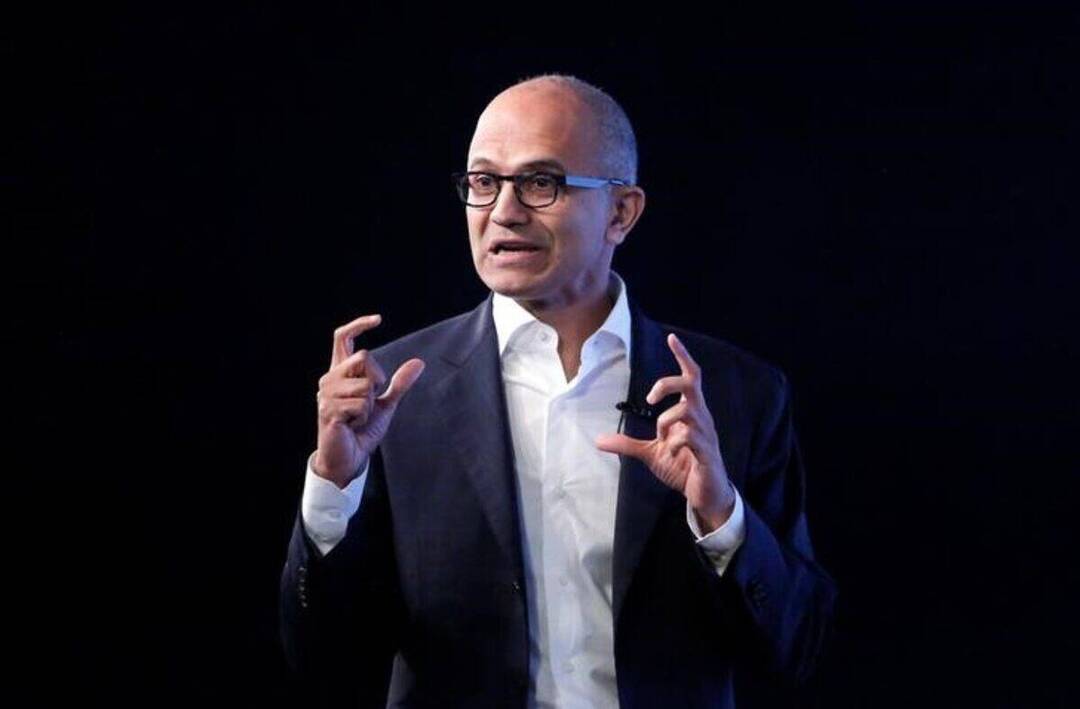
We need to move beyond AI slop debates: Microsoft CEO Nadella
The world of artificial intelligence (AI) has been abuzz with debates and discussions about the potential and pitfalls of this rapidly evolving technology. From concerns about job displacement to excitement about the possibilities of AI-driven innovation, the conversation has been intense and often polarized. However, according to Microsoft CEO Satya Nadella, it’s time to move beyond the simplistic and often misleading debates about AI and focus on the real-world impact of this technology.
Speaking recently, Nadella emphasized the need to “get beyond the arguments of slop vs sophistication” when it comes to AI. He argued that the power of AI models is not the most important consideration, but rather how people choose to apply these models in the real world. “What matters isn’t the power of any individual model, but how people choose to apply it,” he stated. This shift in focus is crucial, as it recognizes that AI is not an end in itself, but rather a tool that can be used to achieve a wide range of goals, both positive and negative.
Nadella’s comments reflect a growing recognition that the AI debate has become overly simplistic and binary. On the one hand, there are those who see AI as a panacea for all societal ills, a magical solution that can solve complex problems with ease and efficiency. On the other hand, there are those who view AI as a threat, a force that will displace human workers and exacerbate existing social and economic inequalities. However, the reality of AI is far more nuanced and complex, and it’s time to move beyond these simplistic and often misleading narratives.
Instead of focusing on the potential benefits or drawbacks of AI, Nadella argues that we need to develop a new equilibrium that accounts for the impact of AI on human relationships and society as a whole. “We need to…develop a new equilibrium…that accounts for humans being equipped with these new cognitive amplifier tools as we relate to each other,” he added. This requires a fundamental shift in how we think about AI and its role in our lives. Rather than viewing AI as a replacement for human intelligence and judgment, we need to see it as a tool that can augment and enhance human capabilities.
This new equilibrium will require a range of changes, from the way we design and develop AI systems to the way we regulate and govern their use. It will also require a new level of transparency and accountability, as well as a commitment to ensuring that AI is developed and used in ways that benefit society as a whole. This is a complex and challenging task, but it’s one that is essential if we are to realize the full potential of AI and minimize its risks.
One of the key challenges in developing this new equilibrium is ensuring that AI is used in ways that are fair, transparent, and accountable. This will require a range of technical, social, and economic changes, from the development of more transparent and explainable AI models to the creation of new regulatory frameworks and social norms. It will also require a new level of collaboration and cooperation between different stakeholders, from technologists and policymakers to civil society and the private sector.
Another key challenge is ensuring that the benefits of AI are shared widely and equitably. This will require a range of efforts, from education and training programs that help workers develop the skills they need to thrive in an AI-driven economy to social safety nets and other forms of support that can help mitigate the negative impacts of AI on certain groups. It will also require a new level of investment in research and development, as well as a commitment to using AI to address some of the world’s most pressing challenges, from climate change and poverty to inequality and social injustice.
In conclusion, the debate about AI has been intense and often polarized, with some seeing it as a panacea for all societal ills and others viewing it as a threat. However, according to Microsoft CEO Satya Nadella, it’s time to move beyond these simplistic and often misleading debates and focus on the real-world impact of AI. By developing a new equilibrium that accounts for the impact of AI on human relationships and society as a whole, we can ensure that this technology is used in ways that benefit everyone, rather than just a privileged few. This will require a range of changes, from the way we design and develop AI systems to the way we regulate and govern their use. It will also require a new level of transparency and accountability, as well as a commitment to ensuring that AI is developed and used in ways that are fair, transparent, and accountable.
About the Author