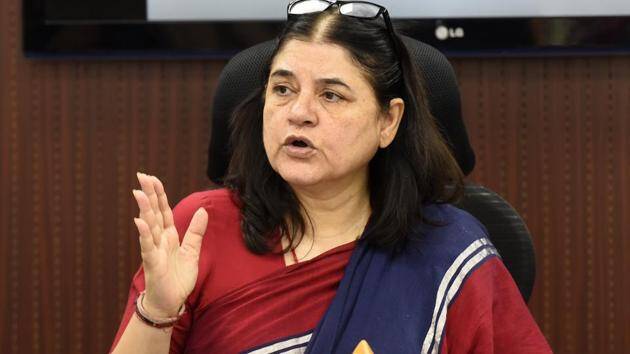
Those bursting crackers should be called ‘anti-national’: Maneka
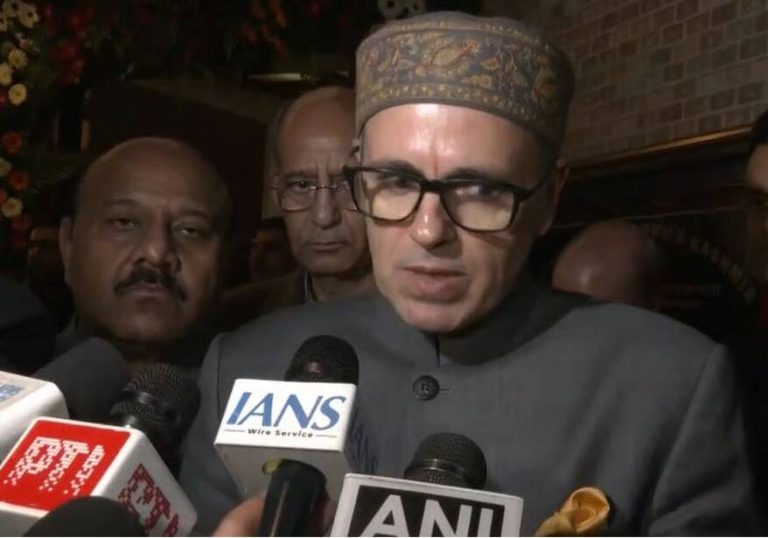
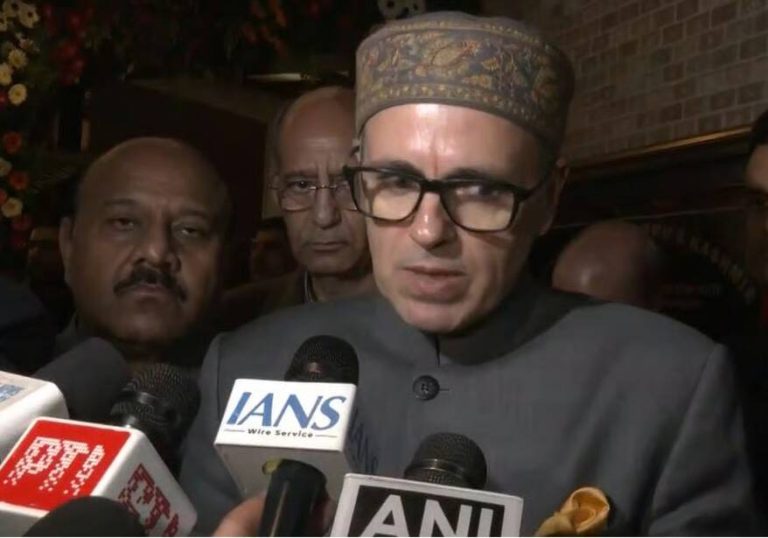
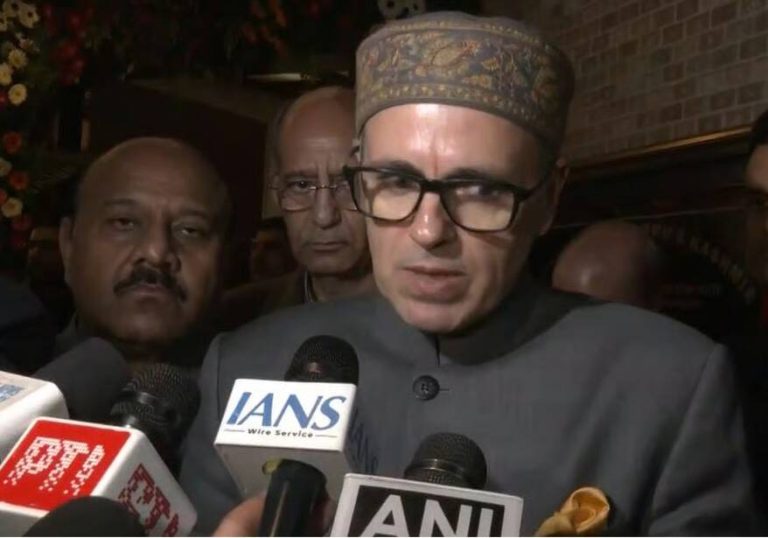
As the festive season approaches, the debate around firecrackers and their impact on the environment has once again gained momentum. BJP leader Maneka Gandhi has weighed in on the issue, calling for a nationwide ban on firecrackers and labeling those who burst them as “anti-national”. According to Gandhi, the primary reason behind the severe air pollution in New Delhi is the bursting of firecrackers, which not only harms the environment but also poses a significant threat to public health.
Gandhi’s statement comes at a time when the national capital is struggling to cope with hazardous air quality levels. The city’s air pollution has become a major concern, with particulate matter (PM) levels often exceeding safe limits. The situation is particularly dire during the festive season, when the bursting of firecrackers adds to the already polluted air. Gandhi’s assertion that those who burst firecrackers should be branded as “anti-national” is a strong one, and it highlights the need for a drastic change in the way we approach the use of firecrackers.
The economic argument against firecrackers is also a significant one. Gandhi pointed out that if people are willing to spend ₹800 crore on firecrackers in just two nights, it is imperative to consider the impact of such expenditure on the environment. The amount spent on firecrackers could be better utilized for more productive and sustainable purposes, such as education, healthcare, or environmental conservation. Moreover, the pollution caused by firecrackers has a ripple effect on the economy, with increased healthcare costs and lost productivity due to respiratory problems.
The environmental impact of firecrackers is well-documented. The chemicals used in firecrackers, such as sulfur, carbon, and potassium, release toxic gases into the air when burned. These gases can cause respiratory problems, including asthma, bronchitis, and other breathing difficulties. The particulate matter released by firecrackers can also cause cardiovascular problems and even cancer. Furthermore, the noise pollution caused by firecrackers can be distressing for animals and humans alike, leading to anxiety and stress.
In addition to the environmental and health concerns, there is also a social aspect to consider. The bursting of firecrackers is often a source of disturbance for many people, particularly the elderly, children, and those with pets. The noise and air pollution caused by firecrackers can be a significant nuisance, disrupting daily life and causing unnecessary stress.
Gandhi’s call for a nationwide ban on firecrackers is not without precedent. Several cities and countries have already implemented similar bans or restrictions on the use of firecrackers. For example, the Supreme Court of India has imposed restrictions on the sale and use of firecrackers in the national capital, allowing only “green” firecrackers that produce less pollution. Other countries, such as China and Singapore, have also implemented strict regulations on the use of firecrackers.
While some may argue that a ban on firecrackers is an overreaction, it is essential to consider the long-term benefits of such a measure. A ban on firecrackers would not only improve air quality but also reduce the risk of accidents and injuries caused by their use. Moreover, it would send a strong message about the importance of environmental conservation and the need for sustainable practices.
In conclusion, Maneka Gandhi’s statement highlights the urgent need for a reevaluation of our approach to firecrackers. The environmental, health, and social concerns associated with their use cannot be ignored. As we move forward, it is essential to consider the impact of our actions on the environment and to adopt sustainable practices that prioritize public health and well-being. By supporting a nationwide ban on firecrackers, we can take a significant step towards creating a healthier, more sustainable future for ourselves and future generations.
News Source: https://repository.inshorts.com/articles/en/PTI/05dfed30-2874-4e50-8c78-37383df29516
About the Author