Indian gig economy strikes back, exposing a broken model
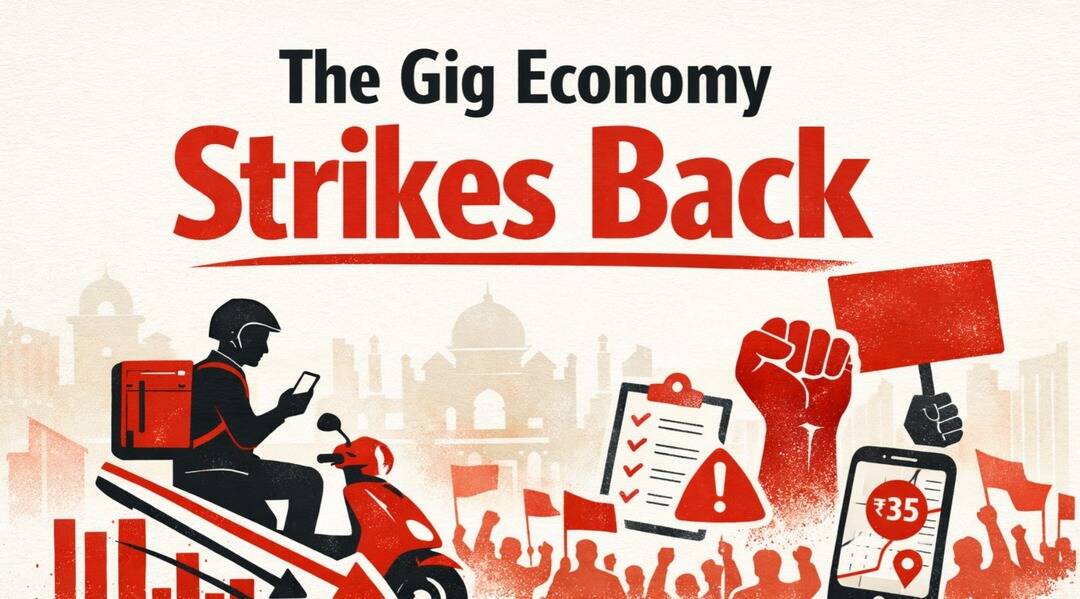
The Indian gig economy, which has been booming in recent years, has been dealt a significant blow as thousands of delivery workers went on strike in December. The strike, which involved around 40,000 workers, disrupted 50-60% of orders in several cities, causing chaos and inconvenience for customers who have grown accustomed to the convenience of food delivery and other gig economy services. The strike highlights the growing discontent among workers in the gig economy, who are fighting for better pay, more stable working conditions, and greater protections.
At the heart of the strike are concerns over low and unstable pay, strict control by the apps that govern the gig economy, and weak protections for workers. Delivery workers, who are the backbone of the gig economy, are demanding higher wages, more flexibility in their working hours, and greater autonomy over their work. They are also seeking better working conditions, including access to amenities such as toilets and rest rooms, and protection from harassment and exploitation.
The strike has sparked a heated debate over the future of the gig economy in India, with companies defending their growth and politicians intervening to try to resolve the dispute. While companies such as Zomato, Swiggy, and Uber have argued that they provide workers with flexible and well-paying jobs, workers claim that the reality is very different. They argue that the apps that govern the gig economy are designed to maximize profits for companies, while minimizing costs and exploiting workers.
One of the main issues at the heart of the strike is the way that workers are paid. Delivery workers are typically paid on a per-delivery basis, with their earnings varying depending on the number of deliveries they make and the distance they travel. However, workers claim that the pay is often low and unstable, with many earning less than the minimum wage. They also argue that the apps that govern the gig economy are designed to keep wages low, by pitting workers against each other in a bid to complete deliveries as quickly and cheaply as possible.
Another issue that has sparked controversy is the level of control that companies exert over workers. Delivery workers are required to work long hours, often for six or seven days a week, and are subject to strict discipline and monitoring by the apps that govern the gig economy. Workers who fail to meet their targets or who are late with their deliveries can face penalties, including fines and even dismissal. This has created a culture of fear and exploitation, where workers are forced to work long hours for low pay and with little protection.
The strike has also highlighted the lack of protections for workers in the gig economy. Unlike traditional employees, gig economy workers are not entitled to benefits such as sick leave, holiday pay, or pension rights. They are also not protected by labor laws, which means that they can be dismissed or penalized without recourse. This has created a precarious and insecure work environment, where workers are forced to rely on the goodwill of companies to protect their rights.
As the strike continues, politicians have begun to intervene to try to resolve the dispute. The Indian government has announced plans to regulate the gig economy, including introducing new laws to protect workers’ rights. However, companies have resisted these efforts, arguing that regulation will stifle innovation and growth. The dispute highlights the tension between the need to protect workers’ rights and the need to promote economic growth and innovation.
The strike has significant implications for the future of the gig economy in India. As the economy continues to grow and evolve, it is likely that the demand for gig economy services will increase. However, if companies fail to address the concerns of workers, the strike could be just the beginning of a wider movement for change. Workers are demanding a fairer and more equitable gig economy, where they are treated with dignity and respect, and where they are protected from exploitation and abuse.
In conclusion, the Indian gig economy strike has exposed a broken model that prioritizes growth and profits over fairness and justice. The strike highlights the need for greater protections for workers, including better pay, more stable working conditions, and greater autonomy over their work. As companies and politicians debate the future of the gig economy, it is clear that a new model is needed, one that balances the need for convenience and innovation with the need for fairness and justice. The strike is a wake-up call for companies and policymakers to take action to address the concerns of workers and to create a more equitable and sustainable gig economy.
For more information on this topic, please visit: https://ascendants.in/industry_events/indian-gig-economy-strikes-platforms-policy/
About the Author