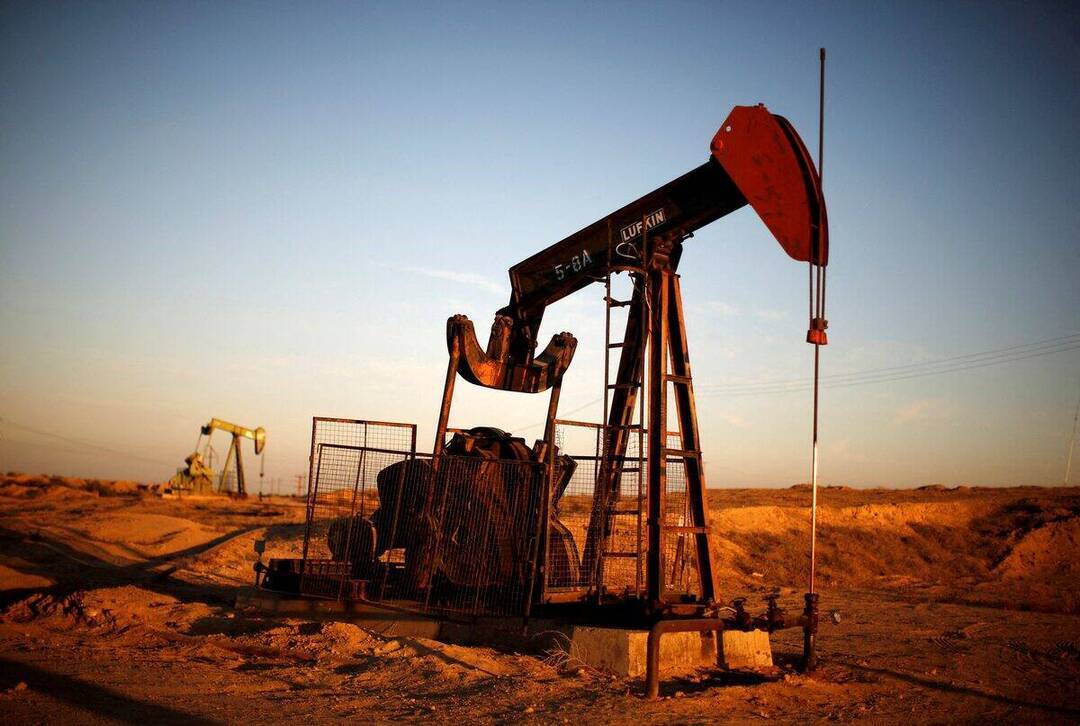
OPEC+ keeps oil output steady amid global turmoil
In a surprise move, OPEC+ (Organization of the Petroleum Exporting Countries and its allies) has decided to maintain its current oil output levels, despite the growing global turmoil that has been affecting the oil market. The decision was made during a brief 10-minute meeting on Sunday, where the group of eight nations, responsible for producing approximately half of the world’s oil, chose not to adjust their production levels.
This decision comes at a time when the global oil market is facing significant uncertainty, driven in part by the recent US attack on Venezuela, a country with the world’s largest oil reserves. The US has announced plans to repair Venezuela’s “badly broken” oil infrastructure, which has been struggling to produce oil at optimal levels due to years of neglect and mismanagement. The US intervention in Venezuela’s oil sector has significant implications for the global oil market, and many had expected OPEC+ to respond to these developments by adjusting their production levels.
However, according to sources, the issue of Venezuela was not even discussed during the OPEC+ meeting, which lasted a mere 10 minutes. This lack of discussion is surprising, given the significant impact that Venezuela’s oil production could have on the global market. Venezuela’s oil reserves are estimated to be the largest in the world, and any increase in production could potentially lead to a surge in global oil supplies, putting downward pressure on oil prices.
The decision by OPEC+ to maintain its current production levels is likely to be seen as a neutral move, neither supporting nor opposing the US intervention in Venezuela. By choosing not to adjust their production levels, OPEC+ is essentially maintaining the status quo, and avoiding any potential conflict with the US or other major oil-producing nations.
The implications of this decision are significant, and will likely be felt across the global oil market. With OPEC+ choosing to maintain its current production levels, the global oil market is likely to remain relatively stable, at least in the short term. This stability is likely to be welcomed by oil consumers, who have been facing significant price volatility in recent months.
However, the decision by OPEC+ to maintain its current production levels may also have negative implications for some oil-producing nations, particularly those that are struggling to produce oil at optimal levels. For example, Venezuela’s oil production has been declining in recent years, due to a combination of factors including mismanagement, corruption, and lack of investment. The US intervention in Venezuela’s oil sector may provide a much-needed boost to the country’s oil production, but it is unclear how this will affect other oil-producing nations.
In addition to the implications for the global oil market, the decision by OPEC+ to maintain its current production levels also has significant geopolitical implications. The US intervention in Venezuela’s oil sector is seen by many as a move to exert control over the global oil market, and to undermine the influence of other major oil-producing nations. The decision by OPEC+ to maintain its current production levels may be seen as a response to this move, and an attempt to assert its own influence over the global oil market.
Overall, the decision by OPEC+ to maintain its current oil output levels amid global turmoil is a significant development, with far-reaching implications for the global oil market. While the decision may provide stability in the short term, it also raises important questions about the future of the global oil market, and the role of OPEC+ in shaping its direction.
As the global oil market continues to evolve, it will be important to watch how OPEC+ responds to changing circumstances, and how its decisions affect the global economy. With the US intervention in Venezuela’s oil sector, and the potential for increased oil production from the country, the global oil market is likely to remain volatile in the coming months. However, with OPEC+ maintaining its current production levels, the market may be able to avoid some of the more extreme price fluctuations that have been seen in recent months.
In conclusion, the decision by OPEC+ to maintain its current oil output levels is a significant development, with important implications for the global oil market. While the decision may provide stability in the short term, it also raises important questions about the future of the global oil market, and the role of OPEC+ in shaping its direction. As the global oil market continues to evolve, it will be important to watch how OPEC+ responds to changing circumstances, and how its decisions affect the global economy.
About the Author