Indian gig economy strikes back, exposing a broken model
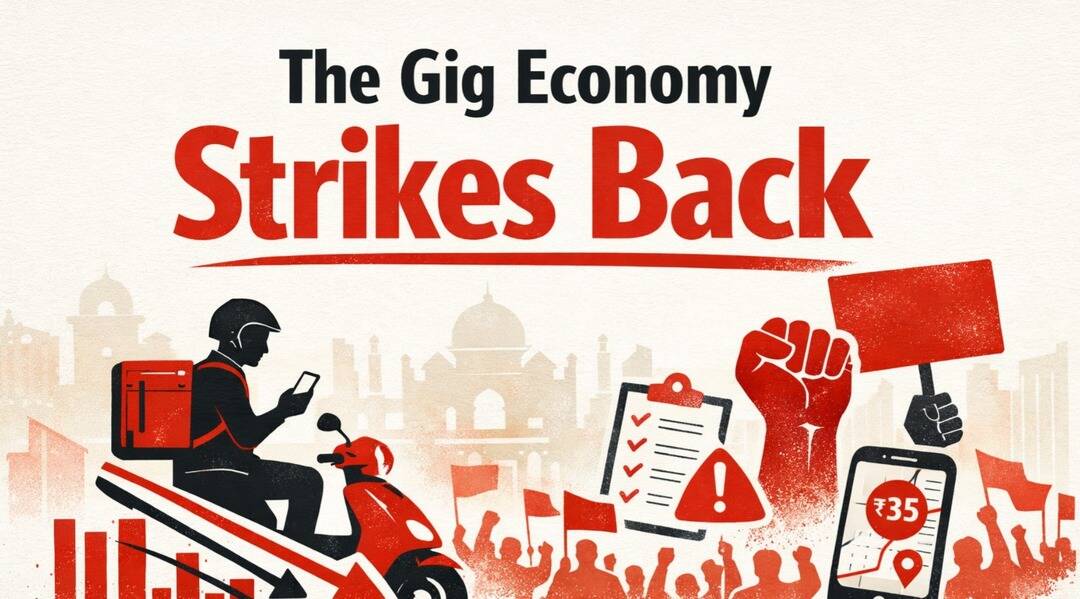
The Indian gig economy has been thriving in recent years, with millions of workers joining various platforms to earn a living. However, beneath the surface of convenience and flexibility, a different story has been unfolding. In December, around 40,000 delivery workers joined nationwide strikes, disrupting 50–60% of orders in several cities. The workers, who are the backbone of the gig economy, cited low and unstable pay, strict app control, and weak protections as the reasons for their protests. As companies defend their growth and politicians intervene, the strikes have highlighted a widening gap between convenience and fairness in India’s digital jobs.
The gig economy, which includes platforms such as food delivery, ride-hailing, and e-commerce, has grown exponentially in India. The sector has created millions of jobs, providing opportunities for people to earn a living and improve their economic prospects. However, the workers who power these platforms have been facing numerous challenges, including low pay, long working hours, and lack of social security benefits. The strikes, which were organized by various worker unions and associations, are a culmination of the growing discontent among workers.
One of the main reasons for the strikes is the low and unstable pay. Workers have been complaining that their earnings have been decreasing over time, despite the increasing demand for their services. The platforms, which take a significant commission from each transaction, have been accused of exploiting workers and paying them meager wages. The workers have also been facing strict app control, which dictates their working hours, routes, and even their behavior. The algorithms used by the platforms have been designed to maximize efficiency and profits, but they have also been criticized for being unfair and biased.
The workers have also been lacking basic protections, such as social security benefits, health insurance, and job security. The platforms have been treating workers as independent contractors, rather than employees, which means they are not entitled to the same benefits and protections. This has left workers vulnerable to exploitation and abuse, with many facing financial difficulties and uncertainty about their future. The strikes have highlighted the need for better working conditions, fair pay, and social security benefits for gig workers.
The companies that operate the gig economy platforms have been defending their growth and profits, arguing that they are providing opportunities for people to earn a living and improve their economic prospects. However, the strikes have exposed the darker side of the gig economy, revealing a broken model that prioritizes convenience and profits over fairness and justice. The companies have been accused of exploiting workers and ignoring their concerns, and the strikes have forced them to take notice.
The Indian government has also been intervening in the crisis, with politicians and policymakers calling for better regulations and protections for gig workers. The government has been under pressure to address the growing concerns about the gig economy, and the strikes have provided an opportunity for policymakers to re-examine the sector. The government has been considering new regulations and laws to protect gig workers, including proposals for minimum wages, social security benefits, and job security.
The strikes have also highlighted the need for a more nuanced understanding of the gig economy and its impact on workers. The sector has been praised for its innovation and flexibility, but it has also been criticized for its exploitation and abuse. The strikes have shown that the gig economy is not just about convenience and flexibility, but also about fairness and justice. The workers who power the platforms deserve better working conditions, fair pay, and social security benefits, and it is the responsibility of companies and governments to ensure that their rights are protected.
In conclusion, the Indian gig economy strikes have exposed a broken model that prioritizes convenience and profits over fairness and justice. The workers who power the platforms have been facing numerous challenges, including low pay, strict app control, and weak protections. The strikes have highlighted the need for better working conditions, fair pay, and social security benefits for gig workers, and have forced companies and governments to take notice. As the gig economy continues to grow and evolve, it is essential that we prioritize fairness and justice, and ensure that the workers who power the platforms are treated with dignity and respect.
The Indian gig economy strikes are a wake-up call for companies, governments, and policymakers to re-examine the sector and address the growing concerns about exploitation and abuse. The strikes have shown that the gig economy is not just about convenience and flexibility, but also about fairness and justice. As we move forward, it is essential that we prioritize the rights and dignity of gig workers, and ensure that they are treated with fairness and respect.
News Source: https://ascendants.in/industry_events/indian-gig-economy-strikes-platforms-policy/
About the Author