Rahul’s Vietnam visit will be as ‘guest of anti-India people’: BJP
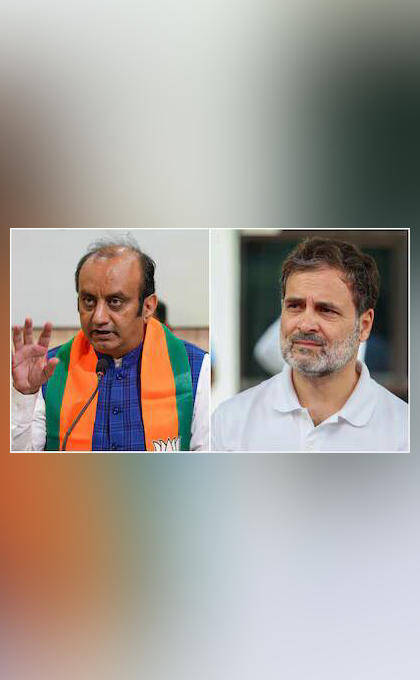
The Bharatiya Janata Party (BJP) has launched a scathing attack on Congress leader Rahul Gandhi, alleging that his recent visit to Germany and upcoming visit to Vietnam are part of a larger design to undermine India’s interests. According to BJP leader Sudhanshu Trivedi, Rahul Gandhi’s visit to Vietnam will be as a “guest of some anti-India people”, where he will make anti-India statements.
Trivedi claimed that Gandhi’s trips abroad are aimed at “spewing venom” against India, and that he has a history of making derogatory remarks about the country on foreign soil. The BJP leader also alleged that during his recent visit to Germany, Gandhi met with “enemies of India”, a claim that has sparked a fresh controversy in the Indian political landscape.
The BJP’s allegations against Rahul Gandhi are not new, but they have gained significant traction in recent times. The party has been accusing Gandhi of being a “part-time politician” who is more interested in traveling abroad than engaging with the issues facing India. The latest allegations, however, have taken the attack to a new level, with the BJP suggesting that Gandhi’s foreign visits are part of a deliberate attempt to undermine India’s interests.
The Congress party has not responded to the BJP’s allegations, but it is likely that they will dismiss the claims as baseless and motivated by political considerations. The party has been critical of the BJP’s attempts to polarize the political discourse, and has accused the ruling party of trying to divert attention from the real issues facing the country.
The controversy surrounding Rahul Gandhi’s foreign visits has sparked a wider debate about the role of opposition leaders in Indian politics. While some argue that opposition leaders have a right to travel abroad and engage with international leaders, others believe that they should be more mindful of the impact of their words and actions on India’s global reputation.
The BJP’s allegations against Rahul Gandhi have also raised questions about the party’s own stance on foreign policy. The party has been accused of being overly nationalistic and isolationist, with some critics arguing that their approach to foreign policy is too narrow and focused on domestic political considerations.
In recent years, India has emerged as a major player on the global stage, with the country playing a key role in international organizations such as the G20 and the BRICS grouping. However, the country’s foreign policy has also been marked by controversy, with the government facing criticism for its handling of issues such as the Kashmir dispute and the Rohingya refugee crisis.
The controversy surrounding Rahul Gandhi’s foreign visits is likely to continue, with the BJP and the Congress party engaging in a war of words over the issue. However, it is also important to consider the broader implications of the debate, and the impact that it could have on India’s global reputation and foreign policy.
As India continues to navigate the complexities of the global landscape, it is essential that the country’s political leaders are able to engage in a constructive and respectful dialogue about the issues facing the nation. The controversy surrounding Rahul Gandhi’s foreign visits is a reminder that the country’s political leaders have a responsibility to act in the national interest, and to avoid making statements or taking actions that could harm India’s reputation abroad.
In conclusion, the BJP’s allegations against Rahul Gandhi have sparked a major controversy in Indian politics, with the party accusing the Congress leader of making anti-India statements abroad. While the controversy is likely to continue, it is also important to consider the broader implications of the debate, and the impact that it could have on India’s global reputation and foreign policy.
News Source: https://repository.inshorts.com/articles/en/PTI/2ea66af0-d391-4b15-b095-5b63f4789282
About the Author