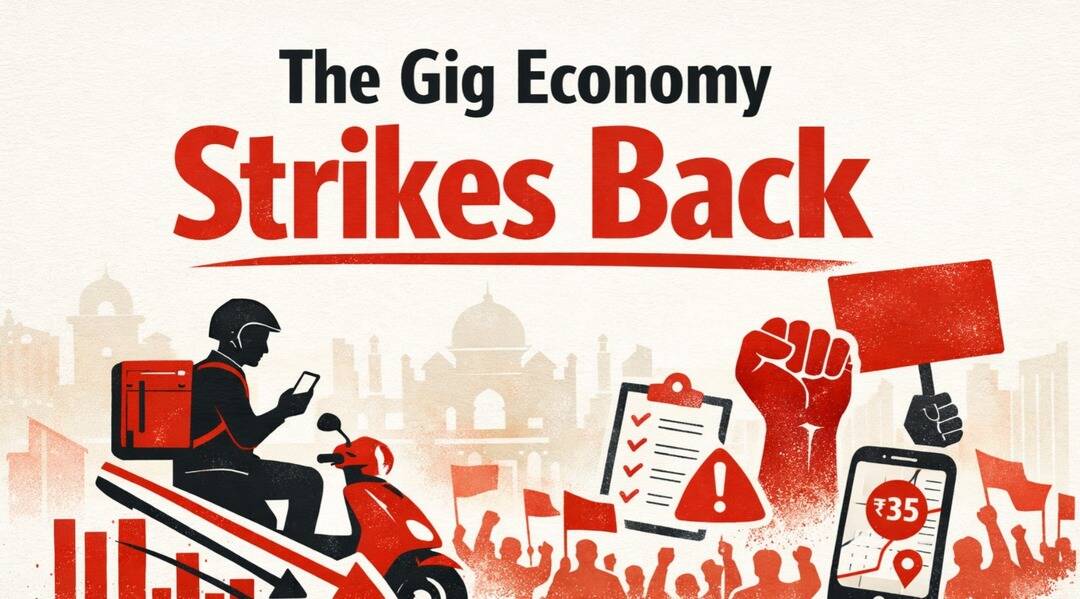
Indian gig economy strikes back, exposing a broken model
The Indian gig economy has been a topic of discussion for quite some time now, with its rapid growth and increasing popularity among the masses. However, beneath the surface of convenience and flexibility, the reality of the gig economy is far from perfect. In December, the Indian gig economy witnessed a massive strike, with around 40,000 delivery workers joining forces to protest against the unfair treatment meted out to them by the companies they work for. The strike, which disrupted 50-60% of orders in several cities, has brought to light the glaring issues that plague the gig economy, including low and unstable pay, strict app control, and weak protections for workers.
The gig economy, which includes companies like Zomato, Swiggy, and Uber, has been touted as a revolutionary concept that provides flexibility and convenience to both workers and consumers. However, the reality is that these companies have been exploiting their workers, paying them meager wages, and denying them basic rights and protections. The workers, who are classified as “partners” or “independent contractors,” are not entitled to benefits like health insurance, paid leave, or job security, leaving them vulnerable to exploitation.
The strike, which was organized by the workers themselves, has highlighted the widening gap between convenience and fairness in India’s digital jobs. The workers, who are the backbone of the gig economy, are demanding better pay, more flexible working hours, and greater control over their work. They are also seeking recognition as employees, rather than independent contractors, which would entitle them to basic rights and protections.
The companies, on the other hand, have been defending their growth and profits, arguing that they are providing opportunities for workers to earn a living and improve their economic prospects. However, the fact remains that the gig economy is built on a flawed model, one that prioritizes growth and profits over the well-being of workers. The companies have been using algorithms and data analytics to control the workers, dictating their schedules, pay, and performance metrics. This has created a culture of fear and anxiety among workers, who are constantly worried about meeting their targets and avoiding penalties.
The government, which has been keen to promote the gig economy as a driver of economic growth, has been caught off guard by the strike. Politicians have been intervening, calling for talks between the companies and the workers to resolve the issues. However, the fact remains that the gig economy is a complex issue, one that requires a nuanced and multifaceted approach. The government needs to recognize the rights of workers and ensure that they are protected by labor laws and regulations.
The strike has also highlighted the role of technology in the gig economy. The companies have been using technology to control and monitor workers, tracking their every move and action. This has created a sense of surveillance and mistrust among workers, who feel that they are being exploited and manipulated. The use of technology has also created a culture of competition among workers, who are pitted against each other to meet targets and earn incentives.
The Indian gig economy strike is not an isolated incident. Similar strikes have been taking place in other parts of the world, including the United States and Europe. The gig economy has been criticized for its exploitative practices, with workers demanding better pay, benefits, and protections. The strike has also highlighted the need for greater regulation and oversight of the gig economy, to ensure that workers are protected and treated fairly.
In conclusion, the Indian gig economy strike has exposed a broken model, one that prioritizes growth and profits over the well-being of workers. The strike has highlighted the need for greater fairness and equality in the gig economy, with workers demanding better pay, benefits, and protections. The government and companies need to recognize the rights of workers and ensure that they are protected by labor laws and regulations. The use of technology in the gig economy also needs to be regulated, to prevent exploitation and ensure that workers are treated fairly.
As the gig economy continues to grow and evolve, it is essential that we prioritize the well-being of workers and ensure that they are treated with dignity and respect. The strike has shown that workers will no longer tolerate exploitation and mistreatment, and that they will fight for their rights and protections. It is time for the government and companies to take notice and take action, to create a more equitable and just gig economy.
News source: https://ascendants.in/industry_events/indian-gig-economy-strikes-platforms-policy/
About the Author