OPEC+ keeps oil output steady amid global turmoil
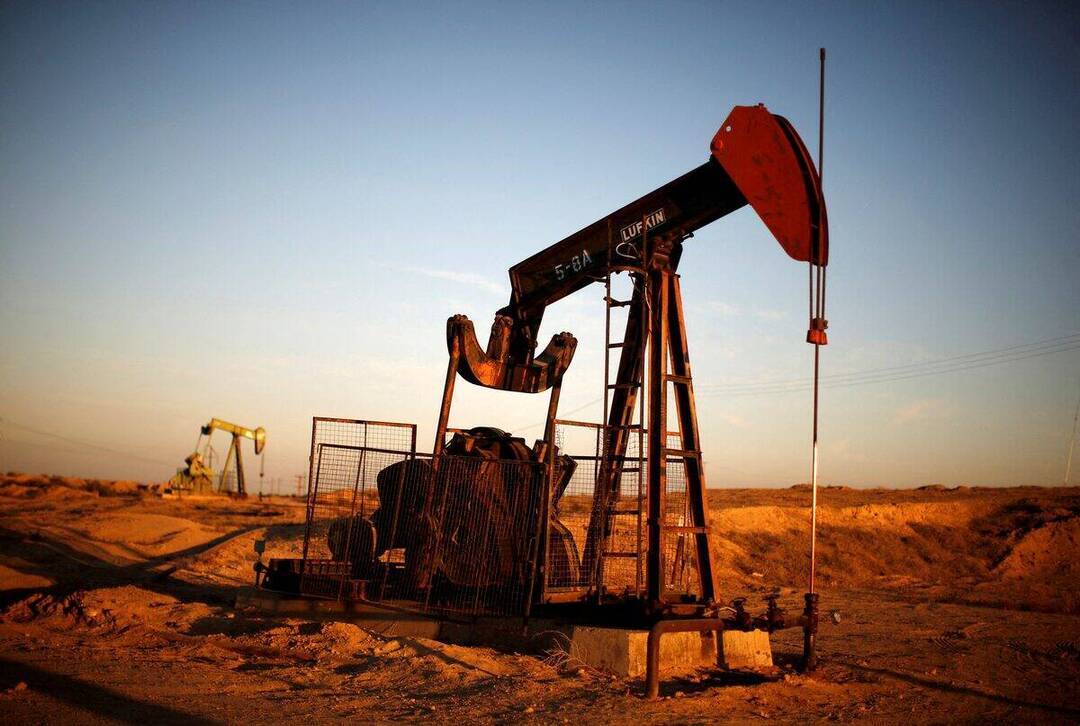
The Organization of the Petroleum Exporting Countries (OPEC) and its allies, collectively known as OPEC+, made a significant decision on Sunday to maintain their current oil output levels. This move comes at a time of heightened global turmoil, with various factors affecting the oil market. The group, which is responsible for producing approximately half of the world’s oil, chose to keep their production levels steady, despite the ongoing uncertainties.
The decision was made during a brief 10-minute meeting, where reportedly, no discussions took place regarding Venezuela. This is notable, given the recent developments involving the country. The United States had launched an attack on Venezuela, which holds the world’s largest oil reserves. Following the attack, the US announced that American oil companies would be involved in repairing Venezuela’s “badly broken” oil infrastructure. This move is expected to have significant implications for the global oil market, but it appears that OPEC+ has chosen not to address the issue at this time.
The decision to maintain current oil output levels is likely to have a stabilizing effect on the global oil market. With the ongoing turmoil in various parts of the world, including the recent attack on Venezuela, there were concerns that OPEC+ might adjust their production levels in response. However, by choosing to keep their output steady, the group is sending a signal that they are committed to maintaining stability in the market.
It is worth noting that OPEC+ has been working to balance the global oil market for some time now. The group has been implementing production cuts and adjustments to ensure that the market remains stable, despite the various challenges that have arisen. This latest decision is a continuation of those efforts, and it demonstrates the group’s commitment to maintaining a stable and balanced oil market.
The implications of this decision are far-reaching. With OPEC+ choosing to maintain their current oil output levels, it is likely that the global oil market will remain relatively stable in the short term. This could have a positive impact on the global economy, as a stable oil market can help to support economic growth and development.
However, there are also potential risks associated with this decision. By choosing not to adjust their production levels, OPEC+ may be leaving themselves vulnerable to changes in the market. If demand for oil were to increase significantly, the group might find themselves unable to meet that demand, which could lead to price increases and market volatility.
Additionally, the decision not to discuss Venezuela during the meeting is notable. The recent attack on the country and the subsequent announcement that US oil companies would be involved in repairing the oil infrastructure could have significant implications for the global oil market. By choosing not to address this issue, OPEC+ may be missing an opportunity to shape the direction of the market and to protect their own interests.
In conclusion, the decision by OPEC+ to maintain their current oil output levels is a significant development in the global oil market. While it is likely to have a stabilizing effect on the market in the short term, there are also potential risks associated with this decision. The group’s choice not to discuss Venezuela during their meeting is also notable, and it will be interesting to see how this develops in the coming weeks and months.
As the global oil market continues to evolve, it is likely that OPEC+ will play a critical role in shaping its direction. The group’s decisions will have a significant impact on the global economy, and it is essential to monitor their actions closely. With the ongoing turmoil in the world, it is more important than ever to have a stable and balanced oil market, and OPEC+ is well-positioned to help achieve that goal.
The decision by OPEC+ to keep oil output steady amid global turmoil is a complex issue, with various factors at play. As the situation continues to develop, it will be essential to consider the potential implications of this decision and to monitor the actions of OPEC+ closely. One thing is certain, however: the global oil market will continue to be a critical component of the global economy, and the decisions made by OPEC+ will have far-reaching consequences.
In the coming weeks and months, it will be interesting to see how the global oil market responds to the decision by OPEC+ to maintain their current oil output levels. Will the market remain stable, or will there be significant changes in response to the ongoing turmoil in the world? Only time will tell, but one thing is certain: the actions of OPEC+ will be closely watched, and their decisions will have a significant impact on the global economy.
About the Author