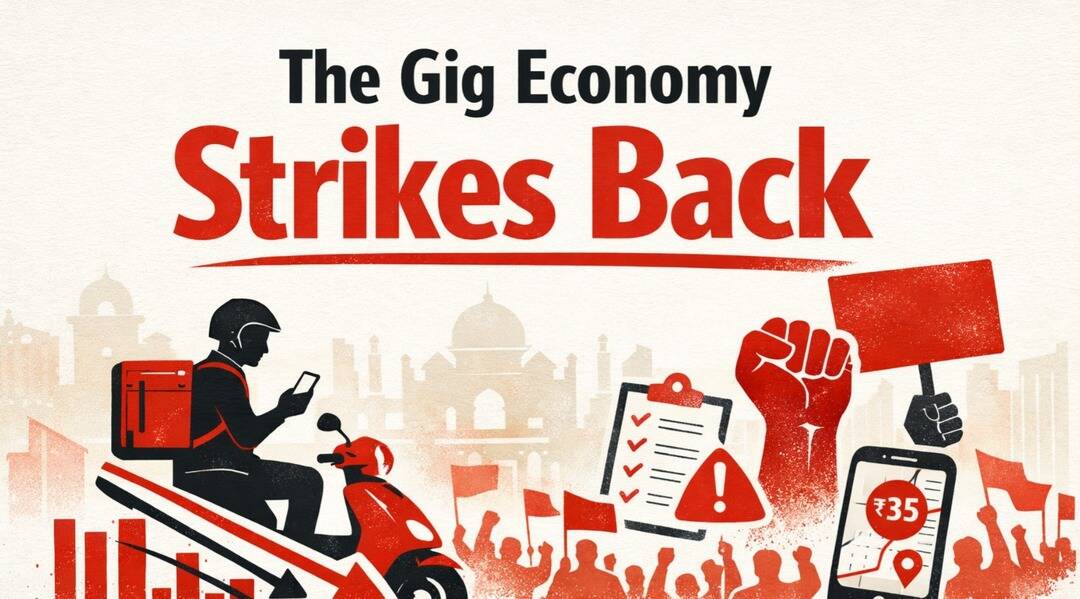
Indian Gig Economy Strikes Back, Exposing a Broken Model
The Indian gig economy, which has been touted as a symbol of innovation and flexibility, is facing a crisis. In December, around 40,000 delivery workers joined nationwide strikes, disrupting 50–60% of orders in several cities. The workers, who are the backbone of the gig economy, cited low and unstable pay, strict app control, and weak protections as the reasons for their protest. This strike is a clear indication that the gig economy model, which has been hailed as a revolutionary concept, is broken and needs to be fixed.
The gig economy, which includes companies like Zomato, Swiggy, and Uber, has been growing rapidly in India. These companies have been able to provide convenient services to consumers, who can now order food, book a ride, or get their groceries delivered with just a few clicks. However, behind the scenes, the workers who make these services possible are struggling. They are classified as independent contractors, which means they are not entitled to the same benefits and protections as regular employees.
The strike, which was called by the Indian Federation of App-Based Transport Workers, highlighted the issues faced by these workers. They complained about the low pay, which is often less than the minimum wage, and the unstable nature of their jobs. They also protested against the strict control exerted by the companies, which dictate their working hours, pay, and even the routes they take. The workers also demanded better protections, including insurance, pension, and other benefits.
The strike had a significant impact on the operations of the companies, with many customers taking to social media to complain about the delays and cancellations. However, the companies defended their model, saying that it provides flexibility and opportunities to workers who may not have had access to traditional employment. They also argued that the pay and benefits are fair and competitive.
However, the workers and their unions disagree. They argue that the companies are taking advantage of the workers, who are desperate for jobs and are willing to work for low wages. They also point out that the companies are making huge profits, while the workers are struggling to make ends meet.
The strike has also caught the attention of politicians, who are beginning to take notice of the issues faced by gig workers. The government has announced plans to regulate the gig economy, which could include providing benefits and protections to workers. However, the details of the plan are still unclear, and it remains to be seen how effective it will be in addressing the concerns of the workers.
The Indian gig economy strike is not an isolated incident. Similar protests have taken place in other countries, including the United States and the United Kingdom. The strike highlights a widening gap between convenience and fairness in the digital jobs market. While consumers are enjoying the convenience of on-demand services, the workers who make these services possible are struggling to make a living.
The strike also raises questions about the sustainability of the gig economy model. While it may provide flexibility and opportunities to some workers, it also creates a class of workers who are vulnerable and exploited. The companies may argue that they are providing jobs and opportunities, but they are also creating a system that is unfair and unsustainable.
In conclusion, the Indian gig economy strike is a wake-up call for the companies, policymakers, and consumers. It highlights the need for a more sustainable and fair model that provides benefits and protections to workers. The companies need to recognize the value of their workers and provide them with fair pay, benefits, and protections. The policymakers need to regulate the gig economy and ensure that workers are protected. And consumers need to be aware of the issues faced by workers and demand better treatment of them.
As the gig economy continues to grow, it is essential to address the issues faced by workers. The strike is a clear indication that the current model is broken and needs to be fixed. It is time for the companies, policymakers, and consumers to come together and create a more sustainable and fair model that benefits everyone.
Source: https://ascendants.in/industry_events/indian-gig-economy-strikes-platforms-policy/
About the Author