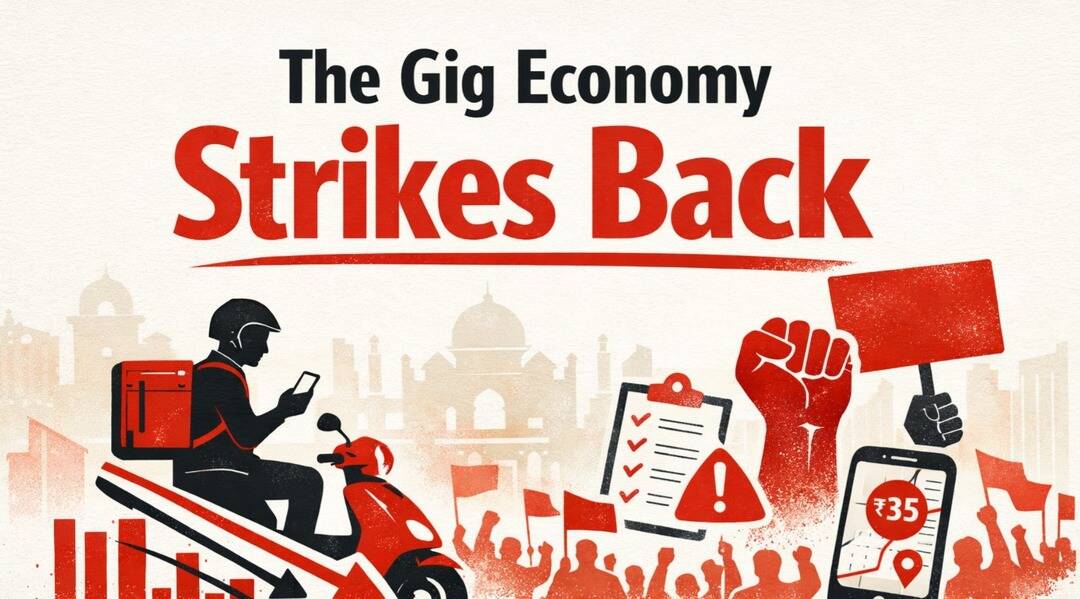
Indian gig economy strikes back, exposing a broken model
The Indian gig economy, which has experienced unprecedented growth in recent years, is facing a major crisis. In December, around 40,000 delivery workers joined nationwide strikes, disrupting 50–60% of orders in several cities. The strikes, which were called by various worker unions and organizations, highlighted the plight of gig workers in India who are struggling with low and unstable pay, strict app control, and weak protections.
The gig economy, which includes companies such as Zomato, Swiggy, and Ola, has been growing rapidly in India, with millions of workers joining the sector. However, the growth has come at a cost, with workers facing exploitation and mistreatment by the companies. The strikes, which were held in cities such as Delhi, Mumbai, and Bengaluru, were a culmination of the workers’ frustrations and demands for better working conditions and fair pay.
According to the workers, the main issues are low and unstable pay, strict app control, and weak protections. Many workers reported earning less than the minimum wage, with some earning as little as Rs 10,000 per month. The workers also complained about the strict control exerted by the companies, which dictate their working hours, routes, and even the type of vehicles they can use. The lack of social security benefits, such as health insurance and pension, has also been a major concern for the workers.
The strikes have highlighted the widening gap between convenience and fairness in India’s digital jobs. While the gig economy has made it convenient for consumers to order food, groceries, and other services at the click of a button, it has come at a cost to the workers. The companies, which have been focused on growth and expansion, have neglected the welfare of their workers, leading to a situation where workers are forced to work long hours for low pay and without any benefits.
The companies have defended their model, citing the flexibility and autonomy that it offers to workers. However, the workers have disputed this claim, arguing that the companies exert strict control over their working lives. The companies have also argued that they provide workers with opportunities for skill development and career growth, but the workers have countered that these opportunities are limited and often come with strings attached.
As the strikes continue, politicians have begun to intervene, with some calling for greater regulation of the gig economy. The government has announced plans to establish a social security fund for gig workers, which would provide them with benefits such as health insurance and pension. However, the details of the plan are still unclear, and it remains to be seen whether it will address the concerns of the workers.
The strikes have also highlighted the need for greater awareness and understanding of the issues faced by gig workers. Many consumers are unaware of the exploitation faced by workers and the poor working conditions they are subjected to. The strikes have served as a wake-up call, highlighting the need for consumers to be more mindful of the impact of their actions on workers.
In conclusion, the Indian gig economy is at a crossroads. The strikes have exposed the broken model of the gig economy, highlighting the need for greater fairness and equity. The companies, which have been focused on growth and expansion, need to take a step back and re-examine their model. The government also needs to play a more active role in regulating the sector and protecting the rights of workers.
As the gig economy continues to grow and evolve, it is essential that we prioritize the welfare of workers. This can be achieved through a combination of measures, including better pay and benefits, greater autonomy and flexibility, and stronger protections and regulations. By working together, we can create a more sustainable and equitable gig economy that benefits both workers and consumers.
The Indian gig economy strikes back, exposing a broken model, is a wake-up call for all stakeholders involved. It is time for us to come together and create a better future for gig workers in India.
News Source: https://ascendants.in/industry_events/indian-gig-economy-strikes-platforms-policy/
About the Author