Indian gig economy strikes back, exposing a broken model
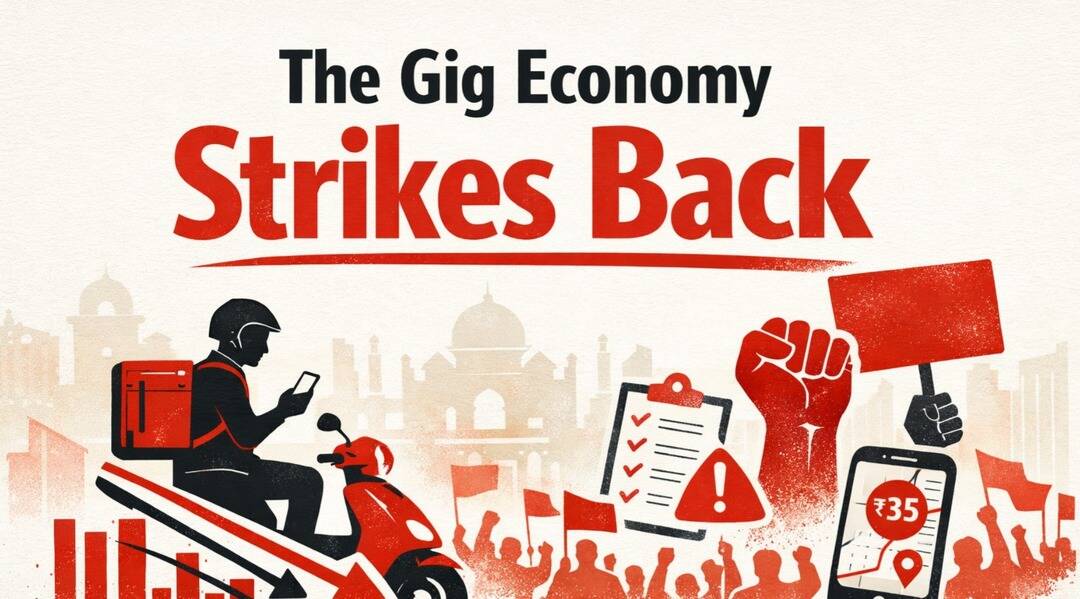
The Indian gig economy, which has been booming in recent years, has hit a roadblock. In December, around 40,000 delivery workers joined nationwide strikes, disrupting 50–60% of orders in several cities. The workers, who are the backbone of the gig economy, cited low and unstable pay, strict app control, and weak protections as the reasons for their protest. This strike is a wake-up call for the companies that operate in the gig economy, as well as for the politicians who have been touting the benefits of this new economic model.
The gig economy, which includes companies such as Zomato, Swiggy, and Uber, has been growing rapidly in India. These companies have created millions of jobs for delivery workers, drivers, and other freelancers. However, the workers have been complaining about the poor working conditions, low pay, and lack of benefits. The strike is a culmination of these grievances, and it highlights the widening gap between convenience and fairness in India’s digital jobs.
The workers who participated in the strike were mostly delivery workers who work for food delivery companies such as Zomato and Swiggy. They complained that their pay had been reduced in recent months, and they were not being paid for the extra work they were doing. They also complained about the strict control exerted by the companies through their apps, which dictated their work schedules, pay, and even their behavior. The workers felt that they were being treated like machines, rather than human beings.
The strike had a significant impact on the operations of the companies. According to reports, 50-60% of orders were disrupted in several cities, including Delhi, Mumbai, and Bengaluru. The companies were forced to apologize to their customers and promise to look into the grievances of the workers. However, the companies have also been defending their business model, saying that it provides flexibility and opportunity to millions of workers.
The politicians have also been intervening in the matter, with some of them calling for greater regulation of the gig economy. The government has been touting the gig economy as a way to create jobs and stimulate economic growth. However, the strike has highlighted the need for greater protection for workers in the gig economy. The government needs to ensure that the workers are paid fairly, have access to benefits, and are protected from exploitation.
The strike has also highlighted the need for a more nuanced discussion about the gig economy. While it is true that the gig economy provides flexibility and opportunity to millions of workers, it is also true that it can be exploitative and unfair. The companies need to take responsibility for the workers who work for them, and ensure that they are treated fairly and with dignity.
The gig economy is not just a Indian phenomenon, it is a global trend. Companies such as Uber, Airbnb, and TaskRabbit have created millions of jobs for freelancers and independent contractors. However, these workers often lack the benefits and protections that traditional employees take for granted. The strike in India is a wake-up call for companies and governments around the world to take a closer look at the gig economy and ensure that it is fair and sustainable.
In conclusion, the Indian gig economy strike is a significant event that highlights the need for greater protection and fairness for workers in the digital economy. The companies need to take responsibility for the workers who work for them, and ensure that they are treated fairly and with dignity. The government needs to intervene and regulate the gig economy to ensure that it is fair and sustainable. The strike is a wake-up call for all of us to think more critically about the gig economy and its impact on workers and society.
As the gig economy continues to grow and evolve, it is essential to address the concerns of the workers and ensure that they are treated fairly. The strike in India is just the beginning of a larger conversation about the future of work and the role of the gig economy in it. We need to ensure that the gig economy is a force for good, and that it provides opportunities and benefits to all workers, not just a select few.
The Indian gig economy strike is a significant event that highlights the need for greater protection and fairness for workers in the digital economy. The companies need to take responsibility for the workers who work for them, and ensure that they are treated fairly and with dignity. The government needs to intervene and regulate the gig economy to ensure that it is fair and sustainable.
Read more about the Indian gig economy strike and its implications at: https://ascendants.in/industry_events/indian-gig-economy-strikes-platforms-policy/
About the Author