Indian gig economy strikes back, exposing a broken model
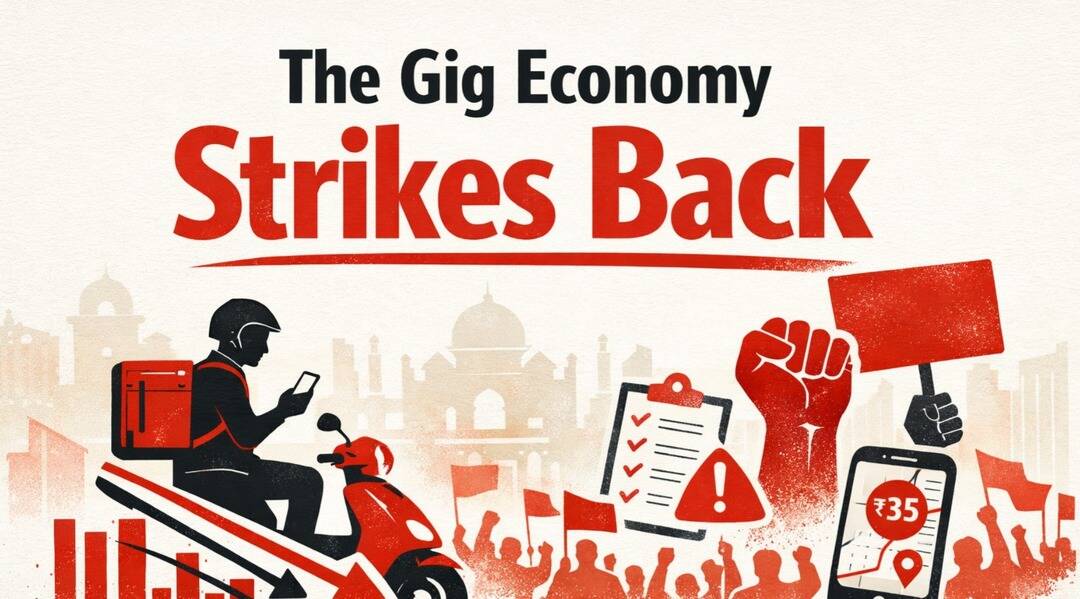
The Indian gig economy has been making headlines in recent months, but not for the reasons you might expect. In December, around 40,000 delivery workers joined nationwide strikes, disrupting 50-60% of orders in several cities. The workers, who are the backbone of the country’s thriving food delivery and e-commerce industry, cited low and unstable pay, strict app control, and weak protections as the reasons behind their protests. As companies defend their growth and politicians intervene, the strikes have highlighted a widening gap between convenience and fairness in India’s digital jobs.
The gig economy, which has been growing exponentially in India over the past few years, has been touted as a revolutionary concept that has created millions of job opportunities for young Indians. Companies like Zomato, Swiggy, and Uber have been at the forefront of this revolution, offering flexible and convenient work arrangements to millions of workers. However, beneath the surface, the reality is far more complex. Workers have been complaining about the poor working conditions, low pay, and lack of job security for years, but their voices have been largely ignored until now.
The recent strikes, which were organized by various worker unions and associations, have brought the issue to the forefront. Workers are demanding better pay, more flexible working hours, and greater autonomy over their work. They are also seeking greater protection from the companies, including access to social security benefits, health insurance, and other perks that are typically available to full-time employees. The strikes have been successful in disrupting the operations of several companies, with many customers taking to social media to express their support for the workers.
The companies, however, have been quick to defend their models, citing the flexibility and convenience that they offer to workers. They argue that the gig economy has created new opportunities for workers who may not have been able to find employment in traditional sectors. They also point out that the workers are free to choose when and how much they want to work, which gives them a level of autonomy that is not available in traditional jobs. However, the workers counter that this flexibility comes at a cost, with many of them working long hours for low pay and with little job security.
The government has also been drawn into the controversy, with several politicians weighing in on the issue. Some have called for greater regulation of the gig economy, citing the need to protect workers’ rights. Others have argued that the government should not interfere with the workings of the market, citing the need to promote entrepreneurship and job creation. The issue has become a contentious one, with different stakeholders holding different views on how to address the problems faced by gig workers.
At the heart of the issue is the question of how to balance convenience and fairness in the gig economy. On the one hand, companies like Zomato and Swiggy have made it possible for consumers to order food and other goods with just a few clicks on their smartphones. This has created a level of convenience that was previously unimaginable, with consumers able to access a wide range of products and services at any time of day or night. On the other hand, this convenience comes at a cost, with workers bearing the brunt of the burden. They are often paid low wages, work long hours, and have little job security, which can make it difficult for them to make ends meet.
The Indian gig economy is not unique in this regard. Similar issues have been reported in other countries, including the United States and the United Kingdom. However, the problem is particularly acute in India, where the gig economy has grown at a rapid pace in recent years. The country’s large and growing middle class has created a huge demand for convenience services, which has driven the growth of companies like Zomato and Swiggy. However, this growth has come at a cost, with workers facing poor working conditions, low pay, and lack of job security.
So, what is the solution to this problem? One possible approach is to regulate the gig economy, citing the need to protect workers’ rights. This could involve introducing minimum wage laws, providing access to social security benefits, and requiring companies to offer greater job security to their workers. Another approach is to promote greater transparency and accountability in the gig economy, citing the need to ensure that companies are treating their workers fairly. This could involve requiring companies to disclose more information about their business practices, including how they pay their workers and what benefits they offer.
Ultimately, the solution will depend on a combination of these approaches. The government, companies, and workers will need to work together to create a more equitable and sustainable gig economy. This will require a fundamental transformation of the way that companies operate, with a greater emphasis on fairness, transparency, and accountability. It will also require a greater recognition of the value of workers, who are the backbone of the gig economy. By working together, we can create a gig economy that is fair, sustainable, and equitable for all.
Source:
https://ascendants.in/industry_events/indian-gig-economy-strikes-platforms-policy/
About the Author