Indian gig economy strikes back, exposing a broken model
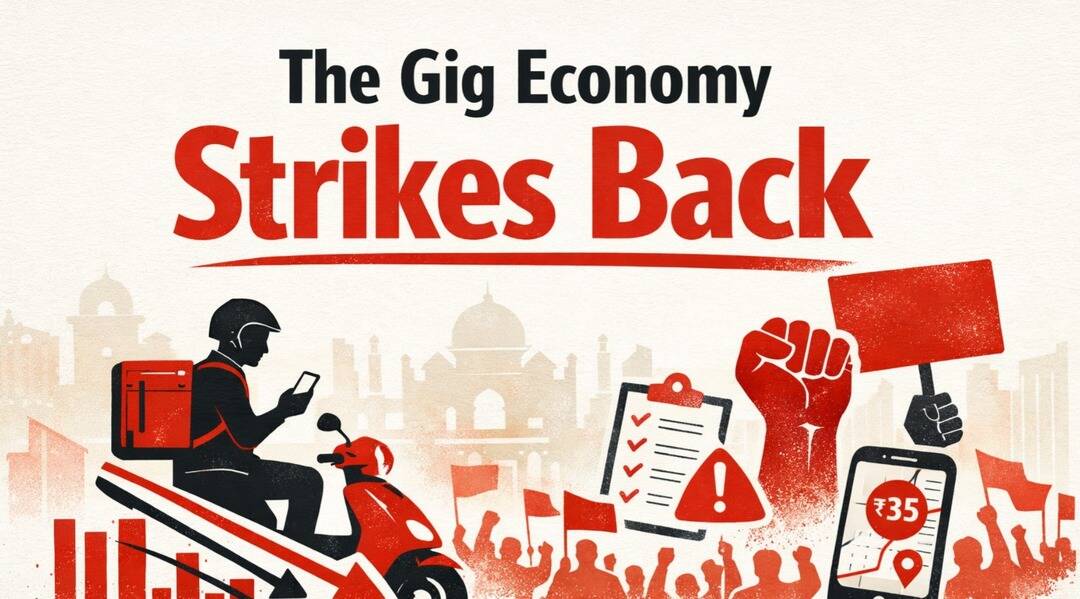
The Indian gig economy, once hailed as a revolutionary force that would bring flexibility and opportunity to millions of workers, is facing a reckoning. In December, around 40,000 delivery workers from various food delivery and e-commerce platforms joined nationwide strikes, disrupting 50-60% of orders in several cities. The strike, which was one of the largest of its kind, highlighted the deep-seated dissatisfaction among gig workers with the current state of the industry.
At the heart of the strike were issues of low and unstable pay, strict app control, and weak protections for workers. Delivery workers, who are the backbone of the gig economy, have long complained about the precarious nature of their work. With no guaranteed minimum wage, no benefits, and no job security, they are often forced to work long hours for meager pay. The strike was a culmination of their frustrations, as they demanded better working conditions, higher pay, and greater respect from the companies that employ them.
The strike had a significant impact on the operations of several major gig economy platforms, including Zomato, Swiggy, and UberEats. With thousands of delivery workers off the job, customers were left frustrated and disappointed as their orders were delayed or cancelled. The disruption was felt across several cities, including Delhi, Mumbai, and Bengaluru, and was a stark reminder of the power and influence that gig workers wield.
As the strike gained momentum, companies were quick to defend their growth and business models. They argued that the gig economy had created millions of jobs and opportunities for workers who would otherwise be unemployed. They also claimed that the strike was a minority movement, and that the majority of workers were happy with their working conditions.
However, these claims ring hollow in the face of mounting evidence that the gig economy is broken. Studies have shown that gig workers are often paid below minimum wage, and are forced to work long hours without any benefits or job security. They are also subject to strict app control, which can lead to unfair terminations and a lack of transparency in their working conditions.
Moreover, the gig economy has created a culture of exploitation, where workers are treated as nothing more than disposable assets. With no protections or benefits, they are often forced to work in hazardous conditions, without any recourse or support. This is a far cry from the promise of flexibility and opportunity that the gig economy once offered.
As the strike highlighted, the gap between convenience and fairness in India’s digital jobs is widening. On the one hand, consumers are enjoying unprecedented levels of convenience, with food, groceries, and other essentials just a click away. On the other hand, the workers who make this convenience possible are struggling to make ends meet, with no job security, no benefits, and no protections.
The strike has also drawn the attention of politicians, who are beginning to take notice of the growing discontent among gig workers. In recent weeks, several politicians have spoken out in support of the striking workers, calling for greater protections and benefits for gig workers. This is a welcome development, as it highlights the need for greater regulation and oversight of the gig economy.
In conclusion, the Indian gig economy strike is a wake-up call for companies, policymakers, and consumers. It highlights the need for greater fairness and transparency in the gig economy, and the need for protections and benefits for workers. As the gig economy continues to grow and evolve, it is essential that we prioritize the needs and concerns of workers, and create a more equitable and sustainable model for all.
The strike has shown that gig workers will no longer be silenced or exploited, and that they will fight for their rights and dignity. It is now up to companies and policymakers to listen to their demands, and to create a more just and fair gig economy.
As we move forward, it is essential that we recognize the value and contributions of gig workers, and that we work towards creating a more equitable and sustainable model for all. This will require a fundamental shift in the way we think about work and employment, and a recognition of the need for greater protections and benefits for workers.
Ultimately, the Indian gig economy strike is a call to action, a reminder that the current model is broken and that we need to do better. It is a chance for us to reimagine the gig economy, and to create a more just and fair system for all.
News Source: https://ascendants.in/industry_events/indian-gig-economy-strikes-platforms-policy/
About the Author