Rare ‘Sandalwood Leopard’ Spotted for the First Time in Karnataka
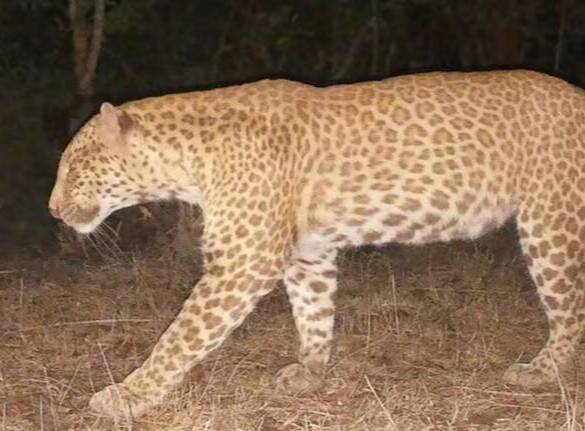
In a groundbreaking discovery, researchers in Karnataka have documented an ultra-rare leopard colour morph in Vijayanagara district, marking only the second confirmed sighting of such a big cat in India and the first in the state. The animal, named the ‘Sandalwood Leopard’ by conservationists, is distinguished by a pale reddish-pink coat with light-brown rosettes. This extraordinary finding has sent shockwaves of excitement throughout the wildlife community, highlighting the importance of continued conservation efforts in protecting India’s diverse and fascinating fauna.
The Sandalwood Leopard, as it has been dubbed, is a stunning example of the genetic diversity that exists within the leopard population. While leopards are known for their distinctive spots and agile movements, this particular individual boasts a unique coat colouration that sets it apart from its peers. The pale reddish-pink hue, combined with light-brown rosettes, gives the Sandalwood Leopard an unmistakable appearance that is both captivating and rare.
Wildlife scientist Sanjay Gubbi, who documented the leopard, has been instrumental in bringing this incredible discovery to light. Gubbi’s tireless efforts to monitor and study the wildlife in Karnataka have yielded a treasure trove of information, shedding light on the state’s rich biodiversity. The discovery of the Sandalwood Leopard is a testament to Gubbi’s dedication and expertise, and his work serves as a beacon of hope for the conservation of India’s precious wildlife.
The first confirmed sighting of a Sandalwood Leopard in India was recorded in a different part of the country, making this recent discovery in Karnataka all the more significant. The fact that this rare colour morph has been spotted in the state highlights the importance of preserving and protecting Karnataka’s natural habitats, which are home to a wide range of flora and fauna. The presence of such a rare and unique individual underscores the need for continued conservation efforts, not just in Karnataka but across the country.
Leopards, in general, are an integral part of India’s ecosystem, playing a vital role in maintaining the balance of nature. These majestic creatures are apex predators, and their presence has a cascading effect on the entire food chain. However, leopards are also facing numerous threats, including habitat loss, human-wildlife conflict, and poaching. The discovery of the Sandalwood Leopard serves as a reminder of the need to protect these magnificent animals and their habitats, ensuring the long-term survival of leopards in India.
The Vijayanagara district, where the Sandalwood Leopard was spotted, is known for its rich biodiversity and natural beauty. The region is home to a variety of wildlife, including elephants, tigers, and other big cats. The presence of the Sandalwood Leopard in this district highlights the importance of preserving and protecting the natural habitats of Karnataka, which are facing numerous threats, including deforestation, mining, and urbanization.
The discovery of the Sandalwood Leopard has also sparked interest among wildlife enthusiasts and researchers, who are eager to learn more about this rare colour morph. Further studies are needed to understand the genetics behind this unique coat colouration and to determine the prevalence of such individuals within the leopard population. This research will not only contribute to our understanding of leopards but also inform conservation efforts, ensuring that these incredible animals continue to thrive in the wild.
In conclusion, the spotting of the rare Sandalwood Leopard in Karnataka is a significant discovery that highlights the importance of conservation and the need to protect India’s precious wildlife. The work of wildlife scientists like Sanjay Gubbi serves as a testament to the dedication and expertise of those working to preserve and protect our natural heritage. As we continue to learn more about this incredible animal, we are reminded of the beauty and diversity of India’s fauna, and the need to ensure the long-term survival of these magnificent creatures.
About the Author