B’desh not same as Pakistan: Ex-BCCI official on Mustafizur issue
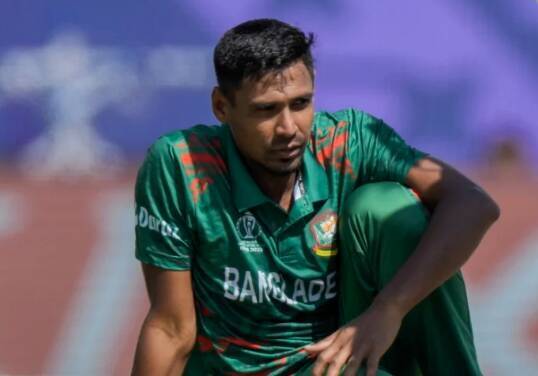
The recent directive from the Board of Control for Cricket in India (BCCI) to the Kolkata Knight Riders (KKR) to release Bangladesh’s Mustafizur Rahman from their squad for the Indian Premier League (IPL) 2026 has sparked a heated debate. A former BCCI official has come out strongly against the decision, questioning the fairness of the move and highlighting the differences between Bangladesh and Pakistan.
The controversy began after a section of the Indian media and some politicians called for a boycott of Bangladesh cricketers in the IPL, following a series of violent protests in Bangladesh against the visit of an Indian dignitary. However, the former BCCI official, who wished to remain anonymous, argued that Bangladesh should not be treated in the same manner as Pakistan, with whom India has a complex and often tense relationship.
“B’desh is not the same as Pakistan,” the official said in an interview. “We should not treat them as an enemy nation. What happened in Bangladesh was wrong, but those were mobs…such elements exist everywhere. We cannot punish the entire nation for the actions of a few extremists.”
The official also pointed out that India is set to host Bangladesh in the upcoming T20 World Cup, and questioned the logic of releasing Mustafizur Rahman from the KKR squad. “If we are going to host Bangladesh in the T20 World Cup, then why are we treating their players differently in the IPL?” the official asked. “Is it fair to release Mustafizur Rahman from the KKR squad, just because of the actions of a few mobs in Bangladesh?”
The official’s comments have sparked a debate about the relationship between India and Bangladesh, and the impact of politics on sports. While some have argued that the BCCI’s decision is justified, given the sensitive nature of the relationship between the two countries, others have pointed out that sports should be kept separate from politics.
The IPL is one of the most popular and lucrative T20 leagues in the world, and the participation of international players is a key factor in its success. Bangladesh has a significant following in the IPL, and the release of Mustafizur Rahman from the KKR squad could have a negative impact on the league’s popularity in the country.
The former BCCI official also pointed out that the decision to release Mustafizur Rahman could have broader implications for the relationship between India and Bangladesh. “If we start treating Bangladesh as an enemy nation, then it will have serious consequences for our relationship with them,” the official said. “We need to be careful and not let politics dictate our decisions in sports.”
The controversy surrounding Mustafizur Rahman’s release has also highlighted the challenges faced by the BCCI in navigating the complex world of international cricket. The board has to balance the interests of different stakeholders, including the Indian government, the media, and the fans, while also ensuring that the IPL remains a successful and popular league.
In conclusion, the decision to release Mustafizur Rahman from the KKR squad has sparked a heated debate about the relationship between India and Bangladesh, and the impact of politics on sports. While some have argued that the BCCI’s decision is justified, others have pointed out that Bangladesh should not be treated in the same manner as Pakistan, and that sports should be kept separate from politics. As the IPL prepares to kick off, the controversy surrounding Mustafizur Rahman’s release is a reminder of the challenges faced by the BCCI in navigating the complex world of international cricket.
About the Author