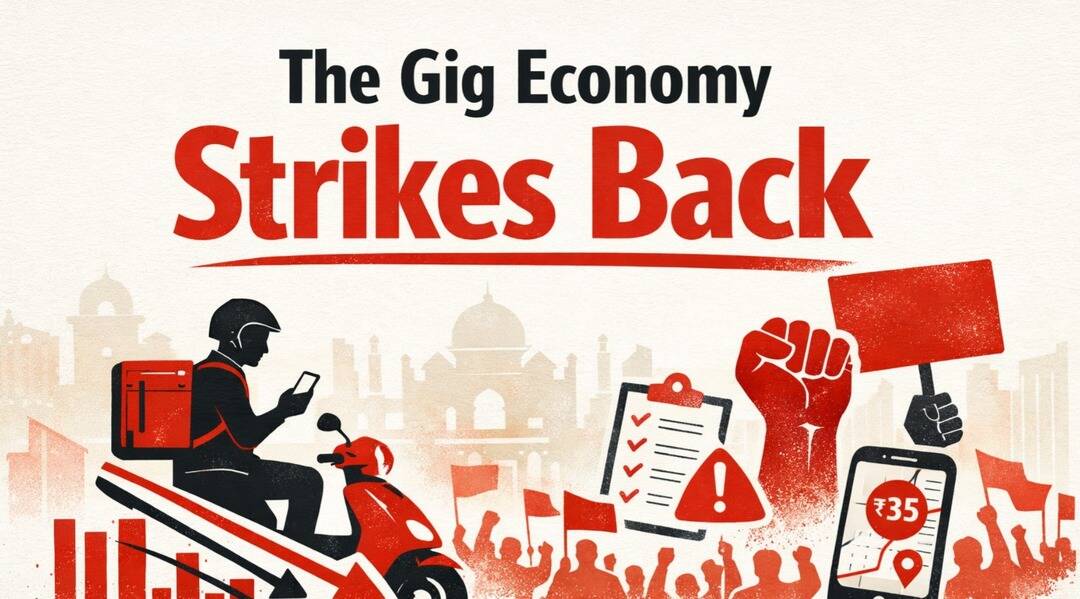
Indian gig economy strikes back, exposing a broken model
The Indian gig economy, which has been thriving in recent years, has finally struck back. In a massive show of solidarity, around 40,000 delivery workers went on strike in December, disrupting a significant percentage of orders in several cities across the country. The strike, which affected major food delivery and e-commerce platforms, has brought to the forefront the long-standing issues faced by gig workers in India. The workers, who are the backbone of the gig economy, have been protesting against low and unstable pay, strict app control, and weak protections.
The gig economy, which has been touted as a revolutionary concept, has been criticized for its treatment of workers. The platforms, which connect workers with customers, have been accused of exploiting their workers, paying them meager wages, and providing them with little to no benefits. The workers, who are classified as independent contractors, are not entitled to the same rights and protections as regular employees. This has led to a situation where workers are forced to work long hours for low pay, with little job security and no social safety net.
The strike, which was called by various worker unions and associations, has been successful in highlighting the plight of gig workers in India. The workers, who are mostly migrants from rural areas, have been struggling to make ends meet in the face of rising costs and stagnant wages. The platforms, which have been growing at a rapid pace, have been accused of prioritizing growth over worker welfare. The strike has forced the platforms to take notice of the workers’ demands and has sparked a debate about the need for better working conditions and social protections for gig workers.
The Indian government, which has been keen to promote the gig economy as a way to create jobs and stimulate economic growth, has been caught off guard by the strike. The government has been trying to balance the needs of the platforms with the concerns of the workers, but has so far failed to come up with a comprehensive policy to regulate the gig economy. The strike has highlighted the need for a more nuanced approach to regulating the gig economy, one that takes into account the needs of both the platforms and the workers.
The strike has also sparked a debate about the future of work in India. The gig economy, which has been touted as a flexible and convenient way to work, has been criticized for its lack of job security and benefits. The strike has highlighted the need for a more sustainable and equitable model of work, one that provides workers with a decent income, job security, and social protections. The government, which has been promoting the gig economy as a way to create jobs, needs to rethink its approach and come up with a more comprehensive policy to regulate the gig economy.
The companies, which have been defending their growth and profits, have been accused of prioritizing convenience over fairness. The platforms, which have been growing at a rapid pace, have been accused of exploiting their workers and ignoring their concerns. The strike has forced the companies to take notice of the workers’ demands and has sparked a debate about the need for better working conditions and social protections for gig workers.
The strike has also highlighted the need for stronger labor laws and regulations to protect the rights of gig workers. The Indian labor laws, which have been criticized for being outdated and inadequate, need to be revised to take into account the changing nature of work. The government needs to come up with a comprehensive policy to regulate the gig economy, one that provides workers with a decent income, job security, and social protections.
In conclusion, the Indian gig economy strike has exposed a broken model that prioritizes growth and convenience over fairness and worker welfare. The strike has highlighted the need for a more sustainable and equitable model of work, one that provides workers with a decent income, job security, and social protections. The government, which has been promoting the gig economy as a way to create jobs, needs to rethink its approach and come up with a more comprehensive policy to regulate the gig economy. The companies, which have been defending their growth and profits, need to prioritize fairness and worker welfare over convenience and profits.
As the debate around the gig economy continues, it is clear that the Indian government and companies need to take a more nuanced approach to regulating the gig economy. The strike has highlighted the need for stronger labor laws and regulations to protect the rights of gig workers. The government needs to come up with a comprehensive policy to regulate the gig economy, one that provides workers with a decent income, job security, and social protections. Only then can the gig economy be a force for good, providing workers with a sustainable and equitable livelihood.
News Source: https://ascendants.in/industry_events/indian-gig-economy-strikes-platforms-policy/
About the Author