Deepinder Claims Issue with Gig Economy is it Exposed Class Divide, says ‘We tip awkwardly’
The gig economy, which has been a subject of debate for quite some time now, has been under scrutiny for its treatment of workers and the impact it has on the social fabric of our society. Recently, billionaire Deepinder Goyal weighed in on the issue, claiming that the problem with the gig economy is not its inherent structure, but rather the fact that it has exposed the prevailing class divide in our society. According to Goyal, the gig economy has brought to light the stark contrast between the haves and have-nots, making it impossible for us to ignore the systemic inequality that has been hiding in plain sight.
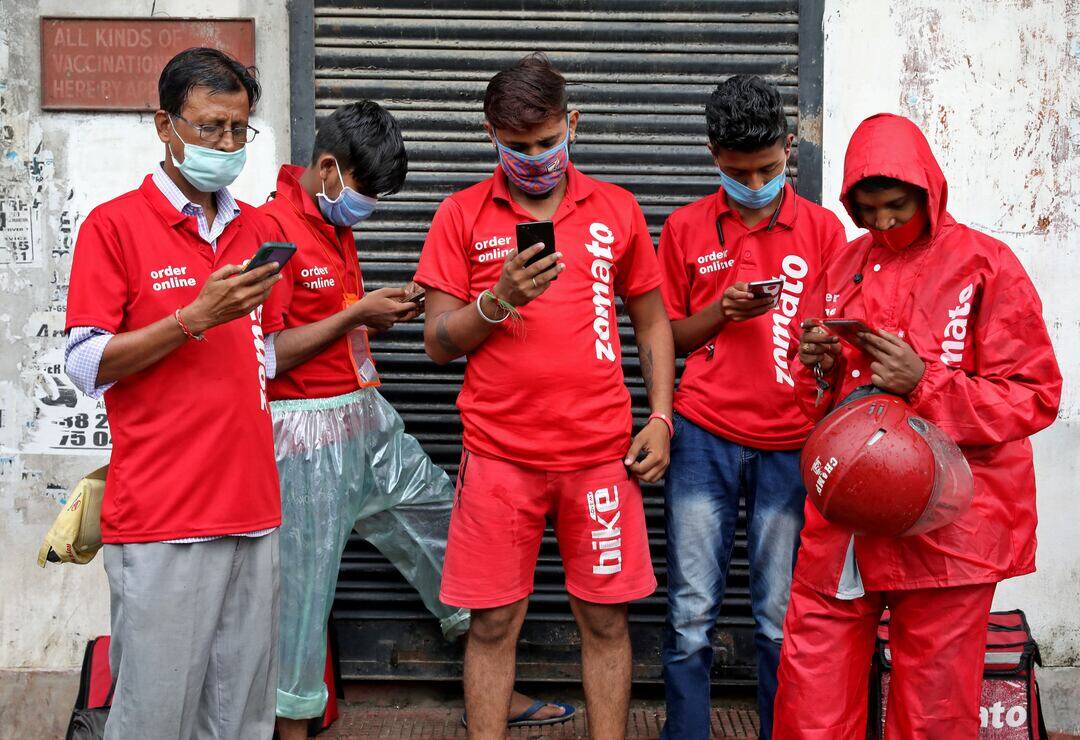
In a thought-provoking statement, Goyal said, “Suddenly, poor aren’t hidden away…Now, every doorbell is a reminder of systemic inequality.” These words strike at the heart of the issue, highlighting the fact that the gig economy has made it impossible for us to turn a blind eye to the plight of the working class. With the rise of food delivery and ride-hailing services, we are constantly reminded of the people who are working behind the scenes to make our lives easier. However, this increased visibility has also brought to light the harsh realities of the gig economy, where workers are often exploited and forced to work long hours for meager wages.
Goyal’s statement also touches on the psychological impact of the gig economy on consumers. He said, “We aren’t just debating economics, we’re confronting guilt…We tip awkwardly…because inequality is no longer abstract.” These words resonate deeply, as they highlight the emotional discomfort that many of us feel when we interact with gig workers. We are forced to confront the reality of our own privilege and the fact that our convenience comes at the cost of someone else’s labor. The act of tipping, which was once a gesture of goodwill, has become a symbol of our guilt and awkwardness in the face of systemic inequality.
The gig economy has indeed made it impossible for us to ignore the class divide that exists in our society. With the rise of platforms like Uber, Lyft, and DoorDash, we are constantly reminded of the people who are working to make our lives easier. However, this increased visibility has also brought to light the harsh realities of the gig economy, where workers are often forced to work long hours for low wages and without access to basic benefits like health insurance and paid time off. The fact that we are forced to confront the reality of our own privilege and the fact that our convenience comes at the cost of someone else’s labor is a difficult pill to swallow.
Furthermore, the gig economy has also highlighted the issue of labor rights and the need for better working conditions. Many gig workers are classified as independent contractors, which means that they are not entitled to the same rights and benefits as traditional employees. This has led to a lack of job security, low wages, and limited access to benefits like health insurance and paid time off. The fact that we are forced to confront the reality of our own privilege and the fact that our convenience comes at the cost of someone else’s labor is a difficult pill to swallow.
In addition, the gig economy has also raised questions about the role of technology in perpetuating systemic inequality. The platforms that have given rise to the gig economy have created new opportunities for people to work and earn a living, but they have also created new challenges and inequalities. The fact that these platforms are often designed to prioritize the interests of consumers over those of workers has raised questions about the ethics of technology and the need for greater accountability.
In conclusion, Deepinder Goyal’s statement highlights the complex issues surrounding the gig economy and the need for a more nuanced conversation about the impact of technology on our society. The fact that the gig economy has exposed the prevailing class divide in our society is a wake-up call for all of us, and it requires us to confront the harsh realities of systemic inequality. As Goyal said, “We tip awkwardly…because inequality is no longer abstract.” It is time for us to move beyond our guilt and awkwardness and to work towards creating a more just and equitable society for all.
Source: https://x.com/deepigoyal/status/2007030873711927381
About the Author