Deepinder claims issue with gig economy is it exposed class divide, says ‘We tip awkwardly’
The gig economy has been a topic of discussion for many years, with its impact on the workforce and the economy being debated by experts and policymakers alike. However, according to billionaire Deepinder Goyal, the problem with the gig economy is not its economic implications, but rather the fact that it has brought the prevailing class divide to light. In a recent statement, Goyal claimed that the gig economy has ensured that workers are seen by the consuming class, making the issue of class divide more visible and uncomfortable for many.
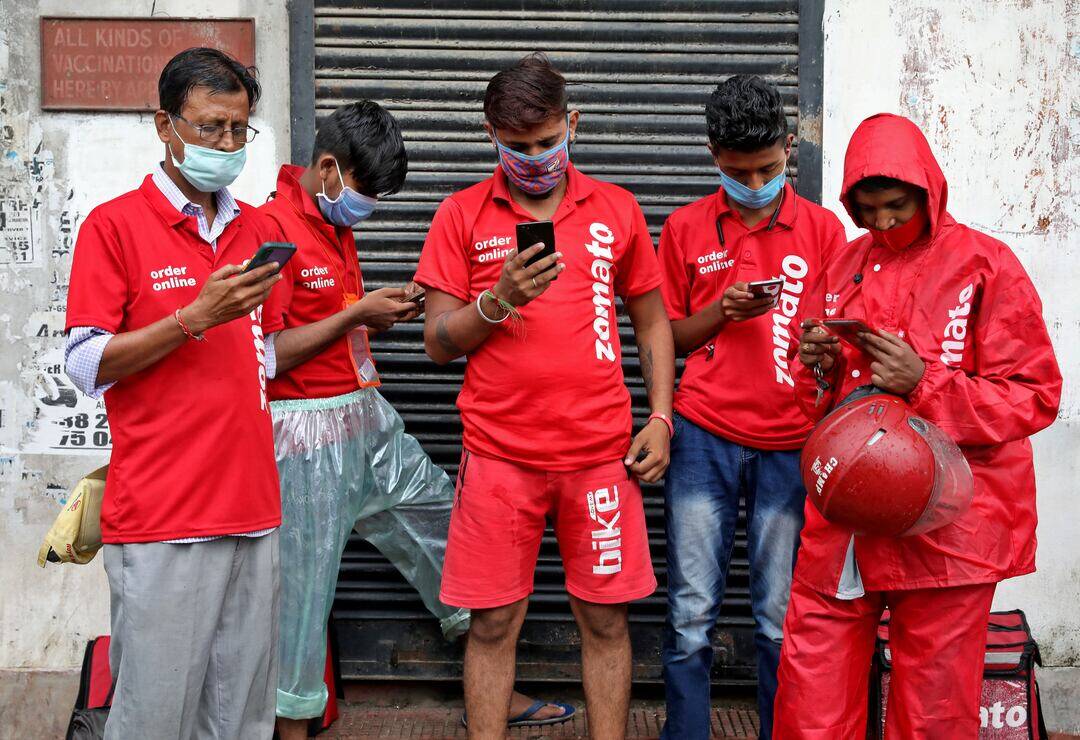
Goyal’s statement highlights the fact that the gig economy has made it impossible for people to ignore the systemic inequality that exists in our society. “Suddenly, poor aren’t hidden away…Now, every doorbell is a reminder of systemic inequality,” he said. This statement suggests that the gig economy has forced people to confront the reality of poverty and inequality, which was previously hidden from view. The fact that gig workers, such as delivery personnel and drivers, are now a common sight in many neighborhoods has made it impossible for people to ignore the issue of class divide.
Goyal’s statement also highlights the emotional response that many people have when confronted with the reality of class divide. “We aren’t just debating economics, we’re confronting guilt…We tip awkwardly…because inequality is no longer abstract,” he said. This statement suggests that the gig economy has made people feel guilty about the way they treat workers, and that this guilt is manifesting in awkward behavior, such as tipping. The fact that people are tipping gig workers, often in an awkward or insincere manner, is a testament to the fact that the gig economy has made people more aware of the class divide and more uncomfortable about their role in perpetuating it.
The issue of class divide is a complex one, and it is not limited to the gig economy. However, the gig economy has brought this issue to the forefront, making it impossible for people to ignore. The fact that gig workers are often paid minimum wage or less, and are required to work long hours without benefits, is a stark reminder of the systemic inequality that exists in our society. The fact that many gig workers are forced to rely on tips to make a living wage is also a testament to the fact that the gig economy is perpetuating the class divide.
One of the main reasons why the gig economy has exposed the class divide is that it has made workers more visible. In the past, many workers, such as janitors and kitchen staff, were hidden from view, and their existence was often ignored by the consuming class. However, the gig economy has changed this, making workers more visible and more present in the daily lives of consumers. This increased visibility has made it impossible for people to ignore the issue of class divide, and has forced many to confront their own role in perpetuating it.
The gig economy has also made it clear that the issue of class divide is not just an economic one, but also a social and cultural one. The fact that many gig workers are from marginalized communities, and are often forced to work in precarious conditions, is a testament to the fact that the gig economy is perpetuating systemic inequality. The fact that many consumers are willing to pay low wages and tip poorly, despite knowing that gig workers are struggling to make a living wage, is also a testament to the fact that the class divide is deeply ingrained in our society.
In conclusion, the issue with the gig economy is not just an economic one, but also a social and cultural one. The fact that the gig economy has exposed the class divide, and made it impossible for people to ignore, is a testament to the fact that this issue is deeply ingrained in our society. As Goyal said, “We aren’t just debating economics, we’re confronting guilt…We tip awkwardly…because inequality is no longer abstract.” The fact that people are tipping gig workers, often in an awkward or insincere manner, is a testament to the fact that the gig economy has made people more aware of the class divide, and more uncomfortable about their role in perpetuating it.
The gig economy has made it clear that the issue of class divide is a complex one, and that it will require a multifaceted solution. However, by acknowledging the existence of this issue, and by working to address it, we can begin to create a more equitable society. As Goyal said, the gig economy has made it impossible for people to ignore the issue of class divide, and has forced many to confront their own role in perpetuating it. By confronting this issue head-on, we can begin to create a more just and equitable society, where all workers are treated with dignity and respect.
Source: https://x.com/deepigoyal/status/2007030873711927381
About the Author