Deepinder claims issue with gig economy is it exposed class divide, says ‘We tip awkwardly’
The gig economy has been a topic of discussion for quite some time now, with many debating its pros and cons. While some argue that it has created new job opportunities and increased flexibility, others claim that it has perpetuated inequality and exploitation. Recently, billionaire Deepinder Goyal weighed in on the issue, offering a unique perspective on the problem with the gig economy. According to Goyal, the issue with the gig economy is not its inherent nature, but rather the fact that it has brought the prevailing class divide to light.
Goyal’s statement, which has been making waves on social media, highlights the uncomfortable truth that the gig economy has forced us to confront. “Suddenly, poor aren’t hidden away…Now, every doorbell is a reminder of systemic inequality,” he said. This statement resonates deeply, as it points to the fact that the gig economy has made the working class more visible to the consuming class. With the rise of food delivery and ride-hailing services, we are now more likely to interact with workers who are struggling to make ends meet.
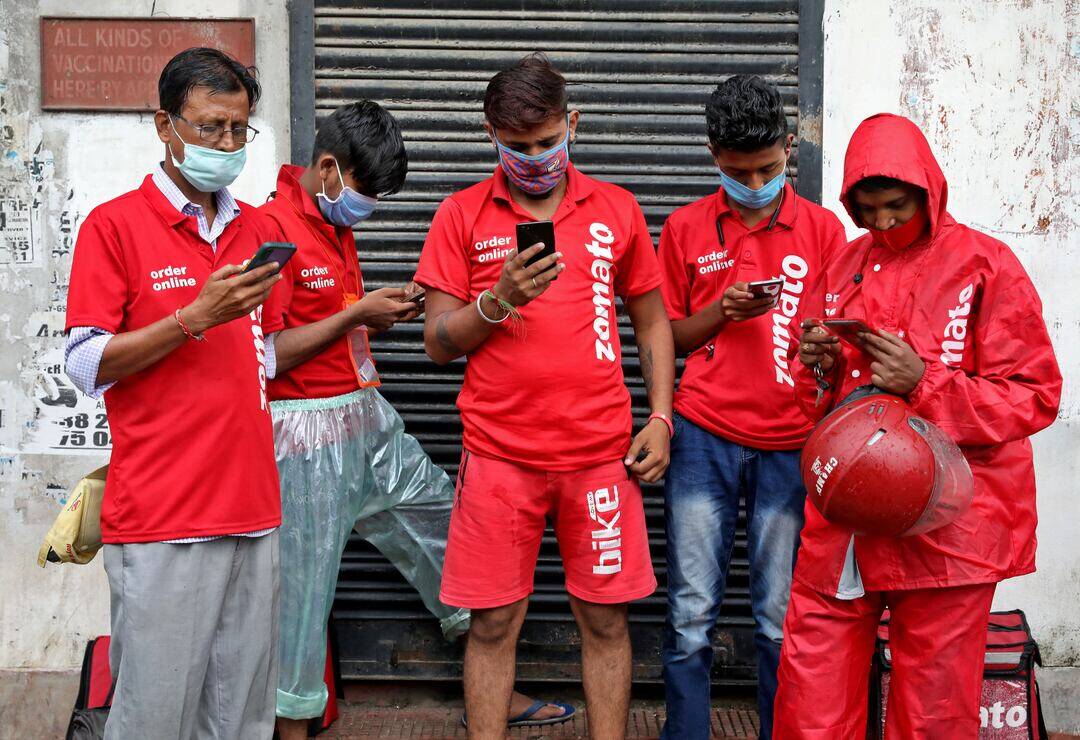
The gig economy has indeed made it difficult to ignore the class divide that exists in our society. When we order food online or hail a ride, we are reminded of the people who are working behind the scenes to make our lives easier. We see the delivery person who brings our food to our doorstep, the driver who takes us to our destination, and the countless others who are working tirelessly to keep the wheels of the gig economy turning. This increased visibility has made it impossible to ignore the fact that many of these workers are struggling to make a living wage.
Goyal’s statement also highlights the guilt that many of us feel when interacting with gig economy workers. “We aren’t just debating economics, we’re confronting guilt…We tip awkwardly…because inequality is no longer abstract,” he said. This is a sentiment that many of us can relate to. When we interact with gig economy workers, we are often unsure of how to behave. We may feel guilty about the fact that they are working long hours for low pay, and we may not know how to show our appreciation for their hard work.
The issue of tipping is a complex one, and it is often a source of discomfort for both the worker and the consumer. On the one hand, tipping can be seen as a way to show appreciation for good service. On the other hand, it can also be seen as a way to perpetuate inequality, as it implies that the worker’s wage is not sufficient to cover their living expenses. Goyal’s statement highlights the awkwardness that many of us feel when it comes to tipping. We may tip generously, but we may also feel guilty about the fact that we are not doing enough to address the underlying issues of inequality.
The gig economy has indeed exposed the class divide that exists in our society, and it has forced us to confront the uncomfortable truth about inequality. As Goyal so eloquently put it, “inequality is no longer abstract.” We can no longer ignore the fact that many workers are struggling to make ends meet, and we can no longer pretend that the gig economy is a meritocracy where anyone can succeed with hard work and determination.
So, what can be done to address the issue of inequality in the gig economy? One possible solution is to implement policies that ensure workers are paid a living wage. This could include minimum wage laws, benefits, and job security. Another solution is to increase transparency and accountability in the gig economy, so that workers are aware of their rights and consumers are aware of the working conditions of the workers they interact with.
Ultimately, the issue of inequality in the gig economy is a complex one, and it will require a multifaceted solution. However, by acknowledging the problem and confronting our own guilt and discomfort, we can begin to work towards a more equitable society. As Goyal so aptly put it, “we tip awkwardly” because we are aware of the inequality that exists, and we are unsure of how to address it. But by acknowledging this awkwardness, we can begin to move towards a more just and equitable society.
In conclusion, the gig economy has indeed exposed the class divide that exists in our society, and it has forced us to confront the uncomfortable truth about inequality. As Deepinder Goyal so eloquently put it, “we aren’t just debating economics, we’re confronting guilt…We tip awkwardly…because inequality is no longer abstract.” By acknowledging this guilt and discomfort, we can begin to work towards a more equitable society, where workers are paid a living wage and consumers are aware of the working conditions of the workers they interact with.
Source: https://x.com/deepigoyal/status/2007030873711927381
About the Author