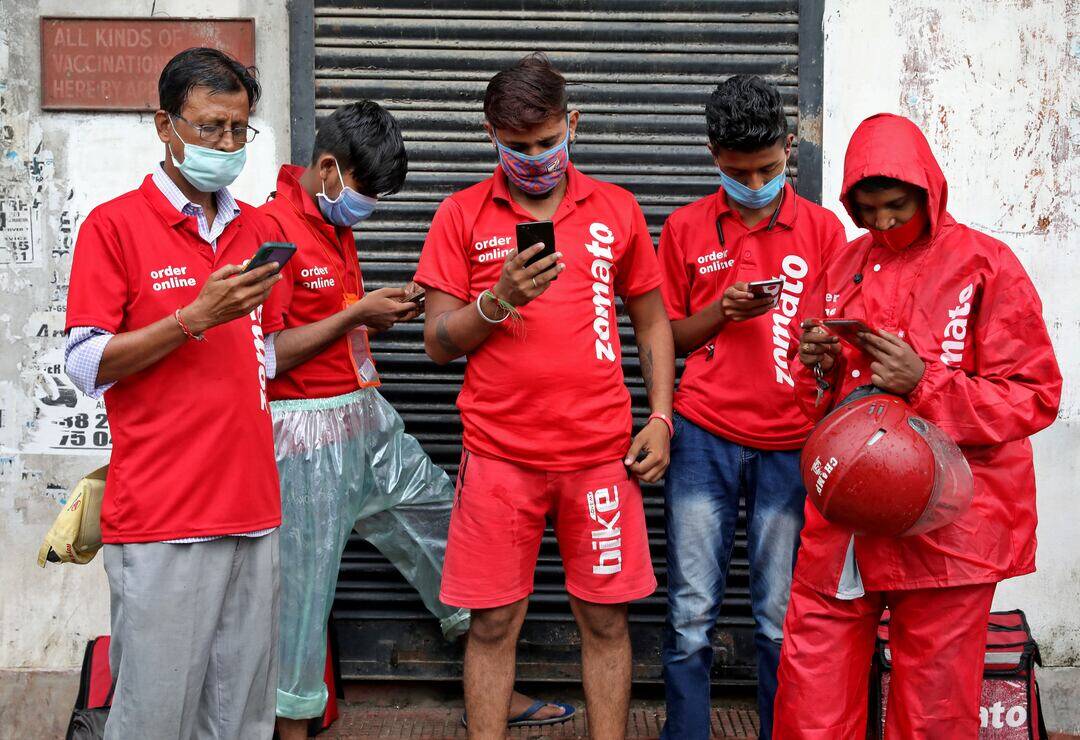
Deepinder claims issue with gig economy is it exposed class divide, says ‘We tip awkwardly’
The gig economy has been a subject of intense debate in recent years, with many critics arguing that it perpetuates exploitation and inequality. However, billionaire Deepinder Goyal has offered a different perspective on the issue, claiming that the problem with the gig economy is not its inherent nature, but rather the fact that it has brought the prevailing class divide to light. According to Goyal, the gig economy has made it impossible for the consuming class to ignore the existence of the working class, and this has led to a sense of discomfort and guilt.
Goyal’s comments were made in a recent statement, where he said, “Suddenly, poor aren’t hidden away…Now, every doorbell is a reminder of systemic inequality.” He argued that the gig economy has made it possible for people to see the workers who are delivering their food, driving their taxis, and cleaning their homes. This visibility has made it impossible for people to ignore the fact that there are those who are struggling to make ends meet, and this has led to a sense of unease and guilt.
Goyal’s statement highlights the fact that the gig economy has indeed brought about a change in the way we interact with the working class. With the rise of platforms like Uber, DoorDash, and TaskRabbit, it has become increasingly common for people to interact with workers who are providing them with services. However, this increased visibility has also led to a sense of discomfort, as people are forced to confront the reality of systemic inequality.
As Goyal noted, “We aren’t just debating economics, we’re confronting guilt…We tip awkwardly…because inequality is no longer abstract.” This statement highlights the fact that the gig economy has made it impossible for people to ignore the fact that there are those who are struggling to make ends meet. The act of tipping has become a way for people to try to alleviate their guilt, but it is often done in an awkward and insincere manner.
The issue of tipping is a complex one, and it highlights the fact that the gig economy has created a new set of social norms and expectations. On the one hand, tipping is seen as a way to show appreciation for good service, but on the other hand, it can also be seen as a way to perpetuate inequality. By tipping, people may feel like they are doing their part to help the worker, but in reality, they may be perpetuating a system that is fundamentally unfair.
Goyal’s comments also highlight the fact that the gig economy has created a new set of power dynamics. With the rise of platforms like Uber and DoorDash, workers are no longer seen as employees, but rather as independent contractors. This has created a sense of distance and detachment between the worker and the consumer, and it has made it easier for people to ignore the fact that there are those who are struggling to make ends meet.
However, as Goyal noted, the gig economy has also made it impossible for people to ignore the fact that there are those who are struggling to make ends meet. The increased visibility of workers has created a sense of discomfort and guilt, and it has forced people to confront the reality of systemic inequality. This is a complex issue, and it will require a nuanced and multifaceted solution.
Ultimately, the issue of the gig economy and class divide is a complex one, and it will require a fundamental shift in the way we think about work and inequality. As Goyal noted, “We tip awkwardly…because inequality is no longer abstract.” This statement highlights the fact that the gig economy has made it impossible for people to ignore the fact that there are those who are struggling to make ends meet, and it has forced people to confront the reality of systemic inequality.
In conclusion, the gig economy has indeed created a new set of challenges and opportunities, and it has highlighted the fact that there are those who are struggling to make ends meet. As billionaire Deepinder Goyal noted, the problem with the gig economy is not its inherent nature, but rather the fact that it has brought the prevailing class divide to light. The increased visibility of workers has created a sense of discomfort and guilt, and it has forced people to confront the reality of systemic inequality.
As we move forward, it will be important to consider the complex issues surrounding the gig economy and class divide. We will need to think critically about the ways in which we can create a more equitable and just system, and we will need to be willing to confront the reality of systemic inequality. By doing so, we can create a better future for all, and we can ensure that the gig economy is a force for good, rather than a perpetuator of inequality.
Source: https://x.com/deepigoyal/status/2007030873711927381
About the Author