Deepinder claims issue with gig economy is it exposed class divide, says ‘We tip awkwardly’
The gig economy has been a topic of discussion for many years, with its pros and cons being debated by experts and the general public alike. While some see it as a way to provide flexible employment opportunities, others criticize it for perpetuating exploitation and inequality. Recently, billionaire Deepinder Goyal shed some light on the issue, claiming that the problem with the gig economy is not its inherent nature, but rather the fact that it has exposed the prevailing class divide in our society.
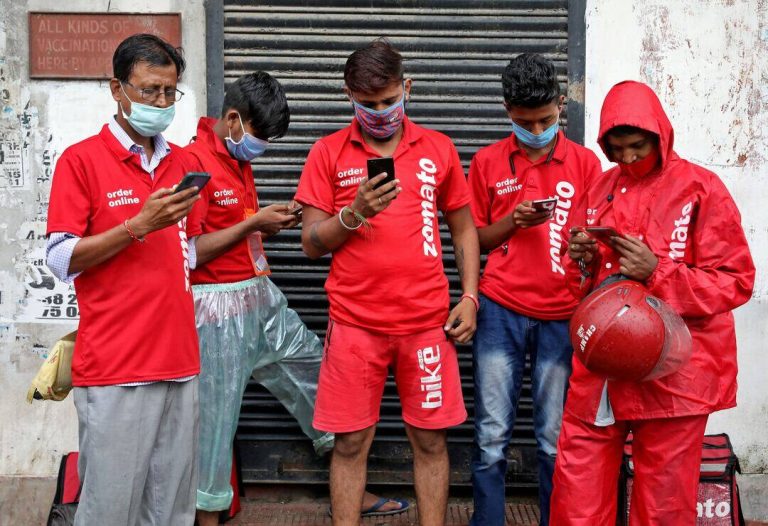
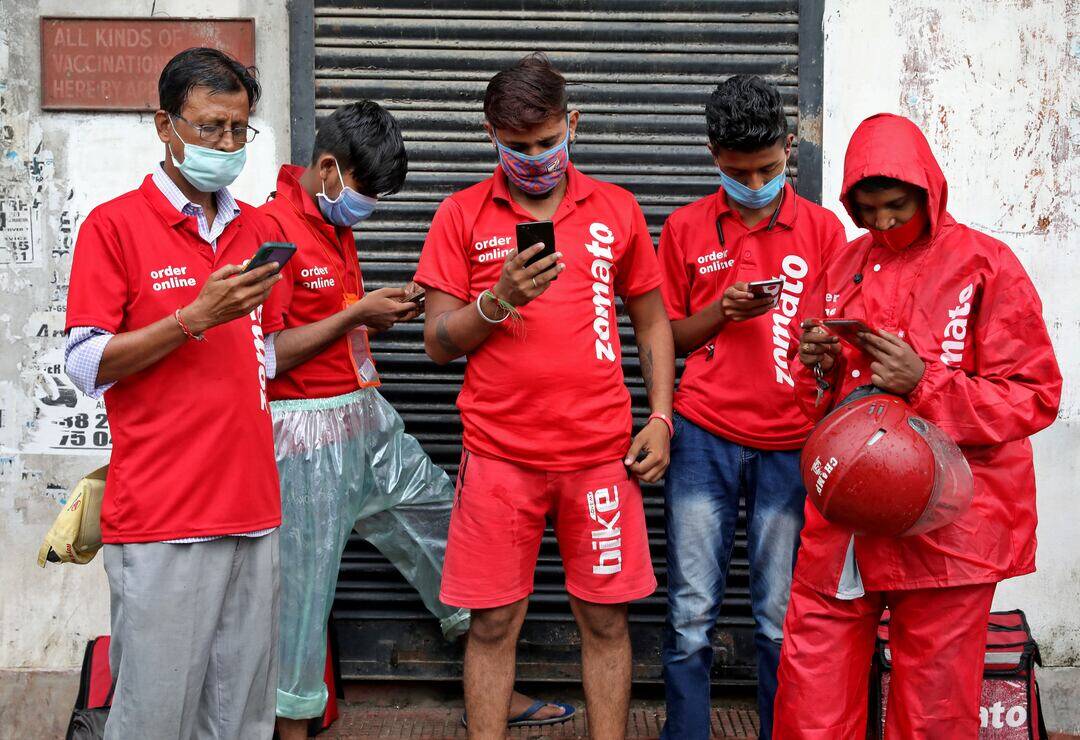
According to Goyal, the gig economy has brought to light the systemic inequality that exists in our world. By ensuring that workers are visible to the consuming class, it has forced us to confront the harsh realities of poverty and exploitation. “Suddenly, poor aren’t hidden away,” he said. “Now, every doorbell is a reminder of systemic inequality.” This statement highlights the fact that the gig economy has made it impossible for us to ignore the class divide that exists in our society.
Goyal’s statement also touches on the emotional aspect of this issue. He says that we are not just debating economics, but also confronting our own guilt and feelings of unease. The fact that we are forced to interact with workers who are struggling to make ends meet makes us uncomfortable, and this discomfort is reflected in the way we treat them. “We tip awkwardly,” he said, “because inequality is no longer abstract.” This statement suggests that our actions, or lack thereof, are a reflection of our own feelings of guilt and inadequacy in the face of systemic inequality.
The gig economy has indeed made it possible for us to see the human face of poverty and exploitation. When we order food or hire a ride, we are not just interacting with a service, but with a real person who is struggling to make a living. This interaction can be uncomfortable, especially when we are forced to confront the fact that the person serving us is not being paid a living wage. It is this feeling of discomfort that Goyal is referring to when he says that we tip awkwardly.
The issue of tipping is a complex one, and it is closely tied to the gig economy. When we tip, we are not just showing appreciation for the service we have received, but also acknowledging the fact that the person serving us is not being paid enough. This can be a difficult thing to do, especially when we are not sure if our tip is enough to make a difference. However, it is also a way for us to take responsibility for our own role in perpetuating systemic inequality.
Goyal’s statement has sparked a lot of debate, with some people agreeing with his assessment of the gig economy and others disagreeing. Some have argued that the gig economy is not the problem, but rather a symptom of a larger issue. They say that the real problem is the fact that our society is based on exploitation and inequality, and that the gig economy is just one manifestation of this. Others have argued that the gig economy is a necessary evil, and that it provides opportunities for people who would otherwise be unemployed.
Regardless of where one stands on the issue, it is clear that the gig economy has brought attention to the class divide that exists in our society. It has forced us to confront the harsh realities of poverty and exploitation, and to think about our own role in perpetuating these systems. As Goyal said, “We aren’t just debating economics, we’re confronting guilt.” This guilt is a reflection of our own feelings of unease and discomfort, and it is a reminder that we need to do more to address the systemic inequality that exists in our world.
In conclusion, Deepinder Goyal’s statement highlights the complex issues surrounding the gig economy. While some see it as a way to provide flexible employment opportunities, others criticize it for perpetuating exploitation and inequality. However, it is clear that the gig economy has brought attention to the class divide that exists in our society, and it has forced us to confront our own guilt and feelings of unease. As we move forward, it is essential that we take responsibility for our own role in perpetuating systemic inequality, and that we work towards creating a more just and equitable society.
News Source: https://x.com/deepigoyal/status/2007030873711927381
About the Author