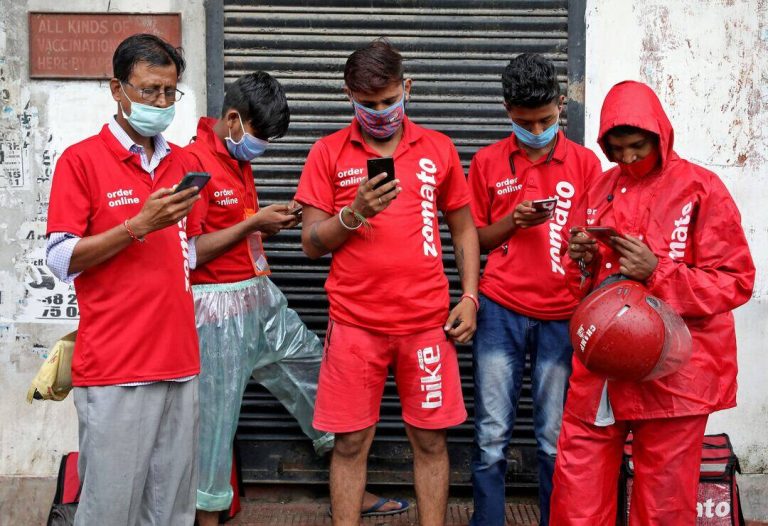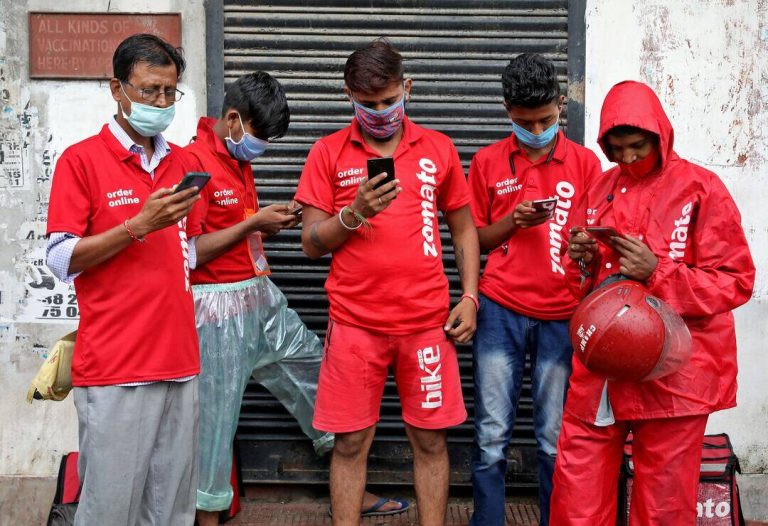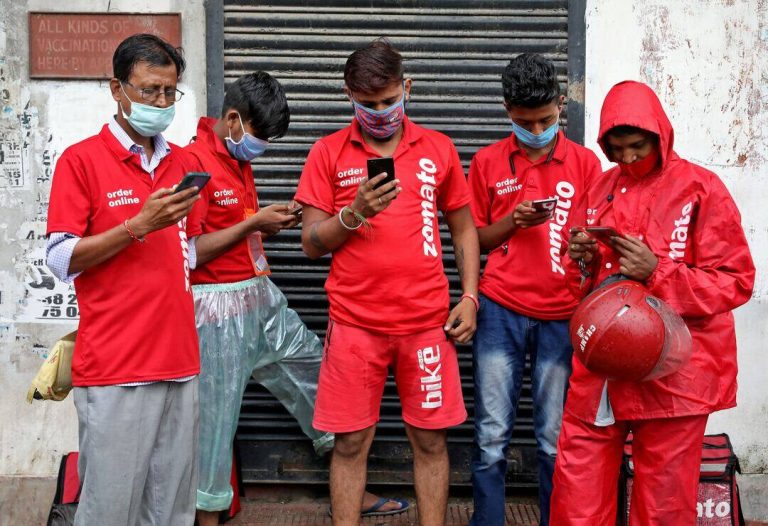
Deepinder claims issue with gig economy is it exposed class divide, says ‘We tip awkwardly’
The gig economy has been a topic of discussion for quite some time now, with many experts and entrepreneurs weighing in on its pros and cons. Recently, billionaire Deepinder Goyal, the founder of Zomato, shared his thoughts on the matter, and his words have sparked a significant amount of debate. According to Goyal, the primary issue with the gig economy is not its economic model or the treatment of workers, but rather the fact that it has exposed the prevailing class divide in our society.
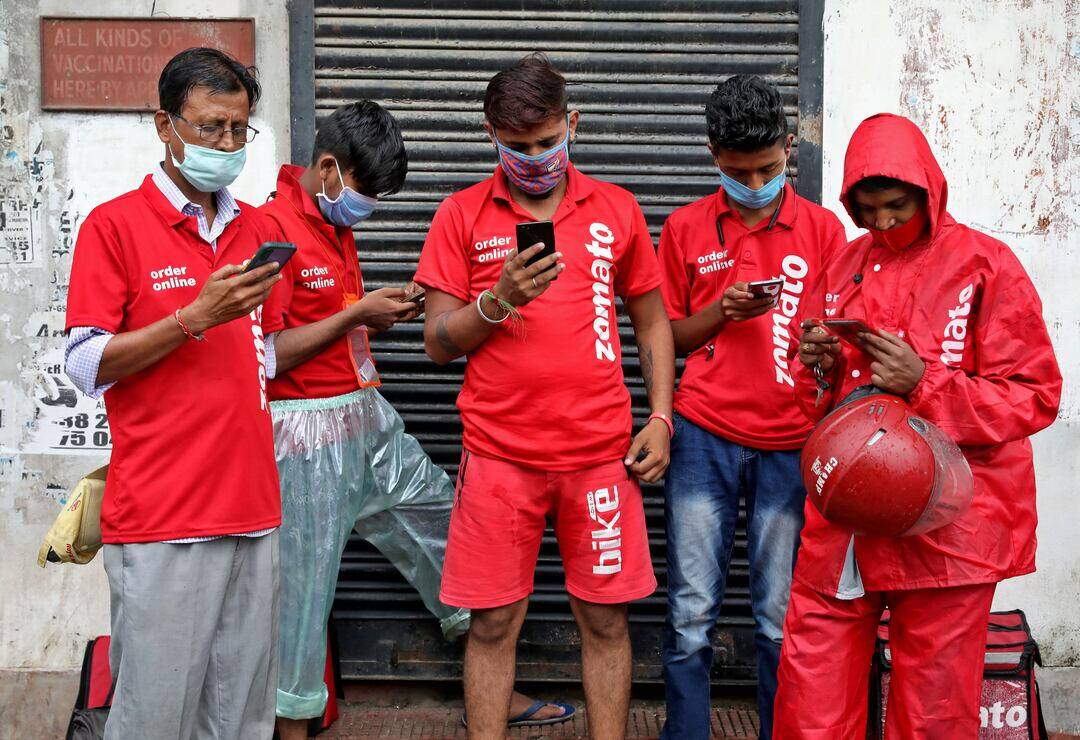
Goyal’s statement, which was shared on social media, highlighted the uncomfortable truth that the gig economy has brought to the forefront. “Suddenly, poor aren’t hidden away…Now, every doorbell is a reminder of systemic inequality,” he said. These words are a stark reminder that the gig economy has made it impossible for us to ignore the class divide that exists in our society. With the rise of food delivery and ride-hailing services, we are constantly interacting with workers who are struggling to make ends meet, and this has forced us to confront the harsh realities of economic inequality.
Goyal’s statement also touched on the guilt that many of us feel when interacting with gig economy workers. “We aren’t just debating economics, we’re confronting guilt…We tip awkwardly…because inequality is no longer abstract,” he said. This is a sentiment that many of us can relate to. When we order food online or hail a ride, we are often reminded of the vast economic disparities that exist in our society. We may feel a pang of guilt when we see the worker who has delivered our food or driven us to our destination, knowing that they are likely struggling to make a living wage.
The fact that we tip awkwardly is a testament to this guilt. We may not know how much to tip, or whether we should be tipping at all. This uncertainty is a reflection of our discomfort with the economic system that we are participating in. We know that the workers who are delivering our food or driving us around are not being paid a living wage, and this knowledge makes us feel uneasy. By tipping, we are trying to make up for the fact that the system is not providing these workers with a fair income, but we are not always sure if our tips are making a significant difference.
Goyal’s statement has sparked a necessary conversation about the class divide in our society. The gig economy has brought this issue to the forefront, and it is time for us to confront it head-on. We need to think about the ways in which we can create a more equitable economic system, one that provides workers with a living wage and decent working conditions. This may involve rethinking the business models of companies like Zomato and Uber, and finding ways to ensure that workers are treated fairly and with dignity.
It is also important for us to recognize that the gig economy is not just an economic issue, but also a social one. The fact that we are interacting with workers who are struggling to make ends meet is a reminder that we are all part of the same society, and that we have a responsibility to look out for one another. By acknowledging the class divide and working to address it, we can create a more just and equitable society for all.
In conclusion, Deepinder Goyal’s statement about the gig economy has highlighted the uncomfortable truth that it has exposed the prevailing class divide in our society. The fact that we tip awkwardly is a testament to the guilt that many of us feel when interacting with gig economy workers, and it is a reminder that we need to work towards creating a more equitable economic system. As we move forward, it is essential that we prioritize the dignity and well-being of all workers, and that we work towards creating a society that is just and equitable for all.
Source: https://x.com/deepigoyal/status/2007030873711927381
About the Author