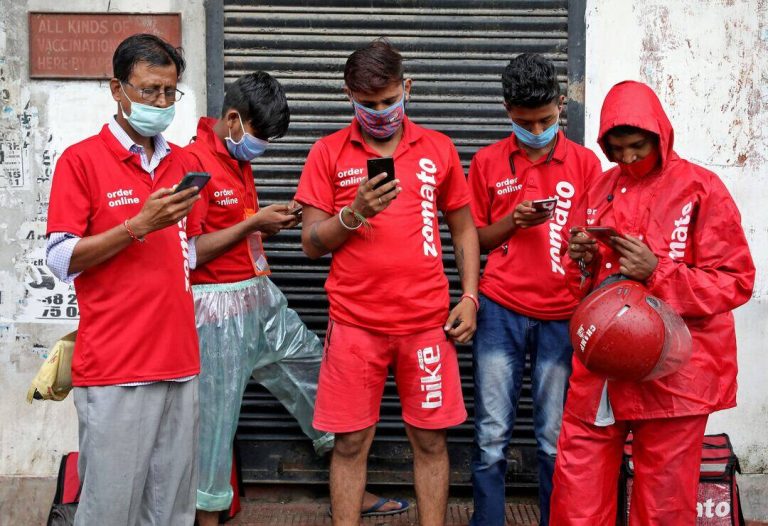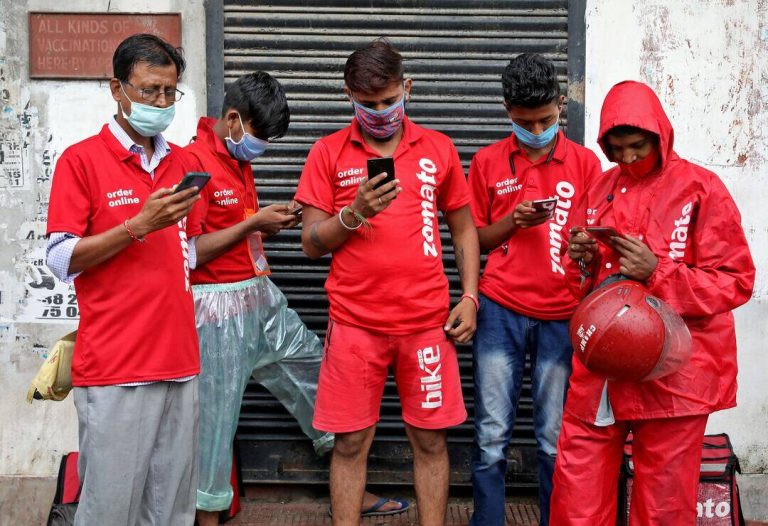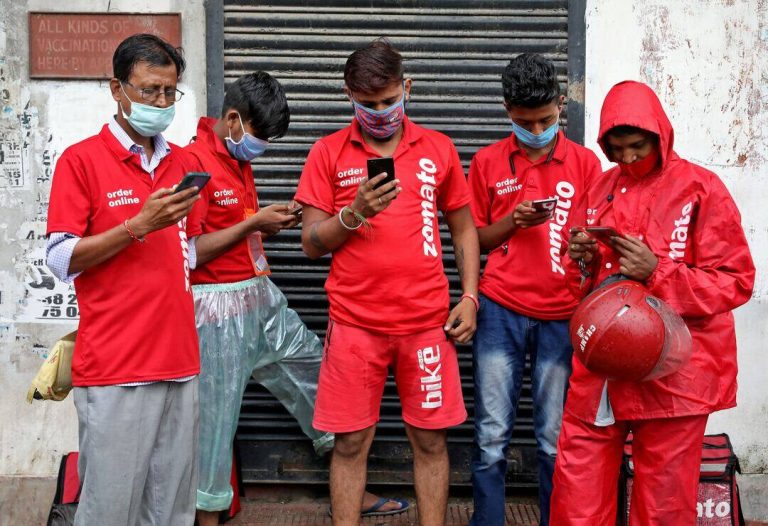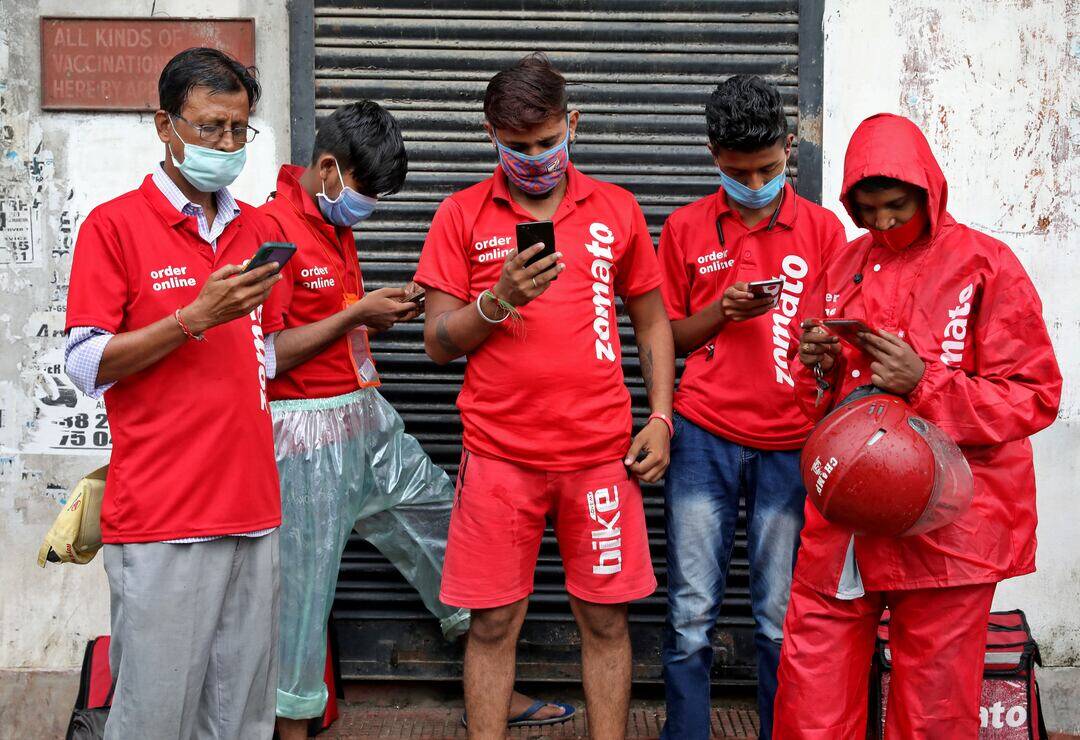
Deepinder claims issue with gig economy is it exposed class divide, says ‘We tip awkwardly’
The gig economy has been a topic of discussion for many years, with proponents arguing that it provides flexibility and opportunities for workers, while critics argue that it perpetuates inequality and exploitation. Recently, billionaire Deepinder Goyal weighed in on the issue, claiming that the problem with the gig economy is not its inherent structure, but rather the fact that it has brought the prevailing class divide to light. According to Goyal, the gig economy has made it impossible for the consuming class to ignore the poor and marginalized, who were previously “hidden away” from view.
Goyal’s comments were made in a recent statement, where he noted that the gig economy has ensured that workers are seen by the consuming class, making it impossible to ignore the systemic inequality that exists in our society. “Suddenly, poor aren’t hidden away…Now, every doorbell is a reminder of systemic inequality,” he said. This statement highlights the fact that the gig economy has made it possible for people from different socio-economic backgrounds to interact with each other in ways that were previously not possible.
Goyal’s comments also touch on the emotional and psychological impact of the gig economy on consumers. He notes that the fact that we are forced to confront the reality of poverty and inequality every time we interact with a gig worker is a source of discomfort and guilt. “We aren’t just debating economics, we’re confronting guilt…We tip awkwardly…because inequality is no longer abstract,” he said. This statement highlights the fact that the gig economy has made it impossible for us to ignore the human cost of our consumption habits, and the fact that our actions have a direct impact on the lives of others.
The gig economy has indeed made it possible for people to make a living in ways that were previously not possible. Platforms such as Uber, Lyft, and DoorDash have created opportunities for people to work on their own terms, and to earn a living by providing services to others. However, the gig economy has also been criticized for perpetuating inequality and exploitation. Many gig workers are not provided with basic benefits such as health insurance, paid time off, and job security, and are often forced to work long hours for low pay.
The fact that the gig economy has exposed the class divide in our society is a complex issue that requires a nuanced and multifaceted solution. On the one hand, the gig economy has created opportunities for people to make a living and to provide for themselves and their families. On the other hand, it has also perpetuated inequality and exploitation, and has made it possible for companies to profit from the labor of others without providing them with basic benefits and protections.
One possible solution to this problem is to implement policies and regulations that protect the rights of gig workers and ensure that they are treated fairly and with dignity. This could include providing gig workers with access to benefits such as health insurance and paid time off, and ensuring that they are paid a living wage for their work. It could also include implementing regulations that prevent companies from exploiting gig workers and ensure that they are treated as employees rather than independent contractors.
Ultimately, the issue of the gig economy and its impact on society is a complex and multifaceted one that requires a nuanced and thoughtful approach. As Goyal noted, the gig economy has made it possible for us to confront the reality of poverty and inequality in our society, and to think critically about the impact of our consumption habits on the lives of others. By working together to implement policies and regulations that protect the rights of gig workers and promote fairness and equality, we can create a more just and equitable society for all.
In conclusion, the gig economy is a complex issue that requires a nuanced and multifaceted approach. While it has created opportunities for people to make a living and to provide for themselves and their families, it has also perpetuated inequality and exploitation. By implementing policies and regulations that protect the rights of gig workers and promote fairness and equality, we can create a more just and equitable society for all.
Source: https://x.com/deepigoyal/status/2007030873711927381
About the Author