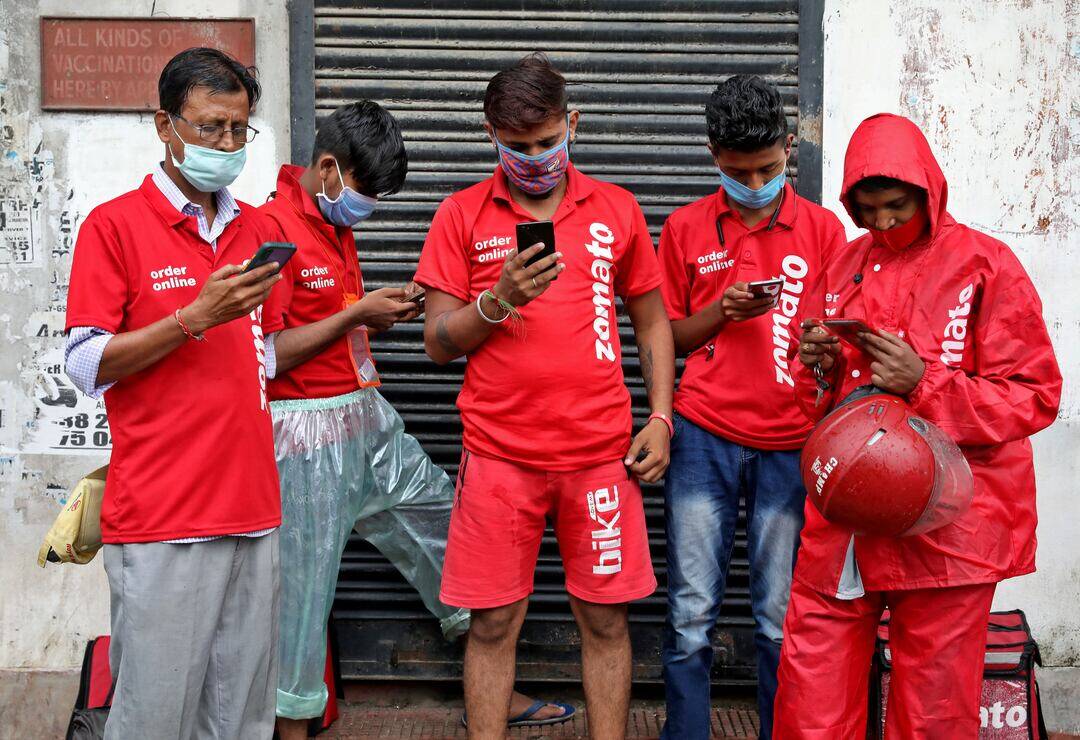
Deepinder claims issue with gig economy is it exposed class divide, says ‘We tip awkwardly’
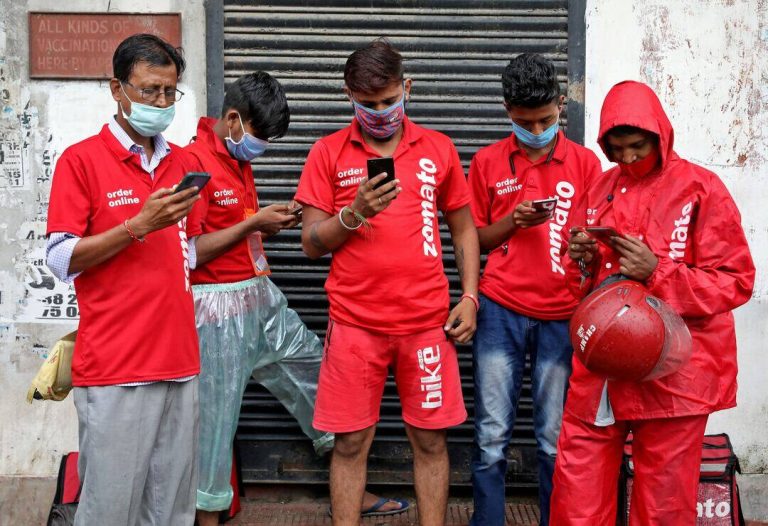
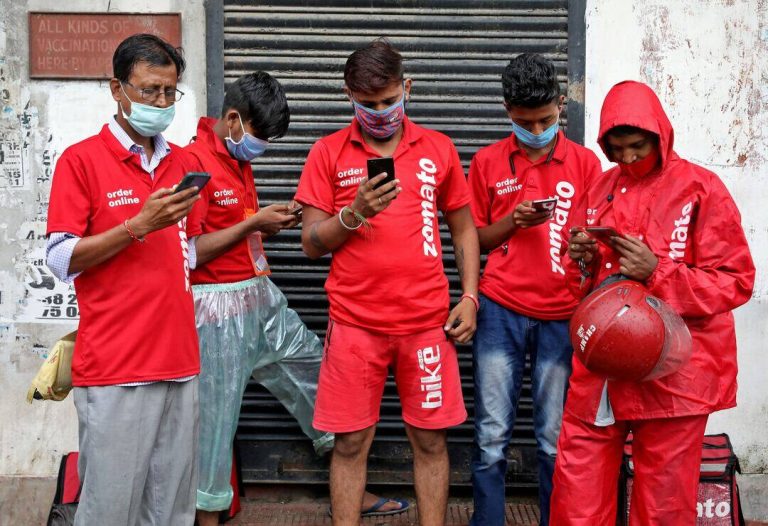
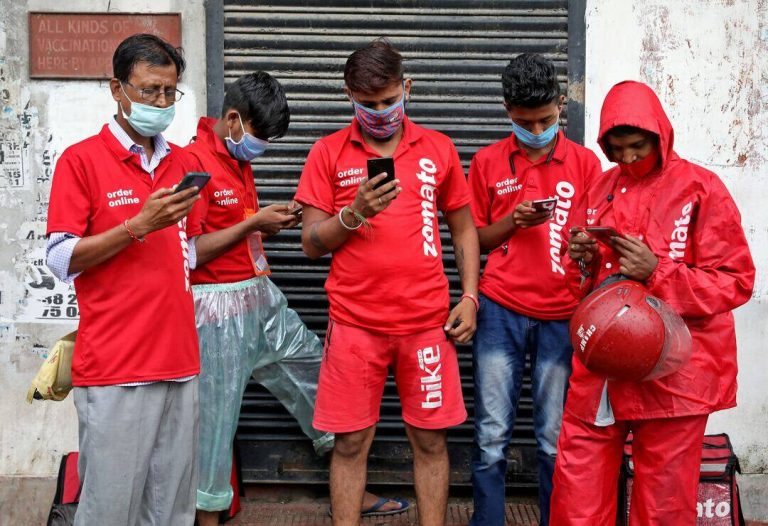
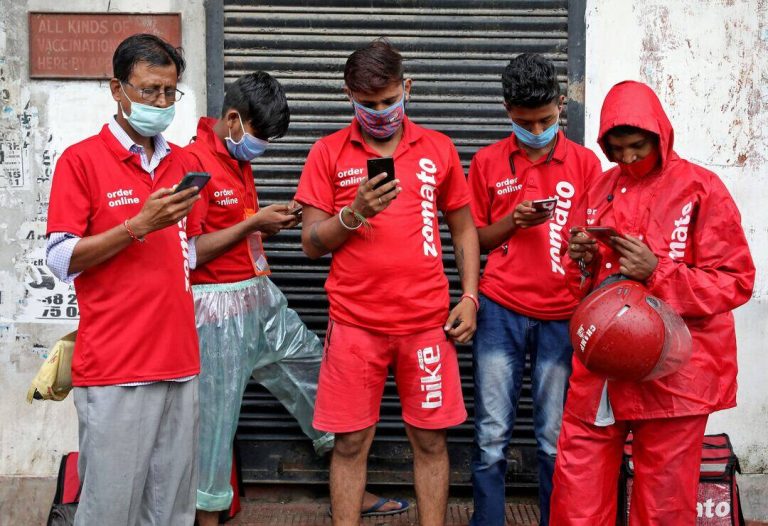
The gig economy has been a topic of discussion for quite some time now, with many experts weighing in on its pros and cons. Recently, billionaire Deepinder Goyal shared his thoughts on the matter, and his words have sparked a significant amount of debate. According to Goyal, the primary issue with the gig economy is not its economic implications, but rather the fact that it has brought the prevailing class divide to light. He believes that the gig economy has made it impossible for the consuming class to ignore the poor, who were previously “hidden away.”
Goyal’s statement highlights the uncomfortable truth that the gig economy has forced us to confront. With the rise of food delivery and ride-hailing services, we are constantly reminded of the people who are working behind the scenes to make our lives easier. Every time we order food or hail a ride, we are faced with the reality of the class divide that exists in our society. As Goyal so aptly put it, “Suddenly, poor aren’t hidden away…Now, every doorbell is a reminder of systemic inequality.”
This phenomenon is not limited to the gig economy alone. However, the gig economy has certainly exacerbated the issue, making it more visible and harder to ignore. The fact that we can see the people who are working to deliver our food or drive us around makes us more aware of the inequality that exists. We can no longer pretend that the poor are invisible or that they do not exist.
Goyal’s statement also touches on the issue of guilt and how it affects our behavior. When we are confronted with the reality of the class divide, we feel guilty. This guilt manifests in different ways, such as tipping. As Goyal said, “We tip awkwardly…because inequality is no longer abstract.” We tip because we feel guilty about the fact that the person delivering our food or driving us around is not earning a living wage. We tip because we want to alleviate our own guilt, even if it’s just for a moment.
The issue of tipping is a complex one. On the one hand, tipping can be seen as a way to show appreciation for the services we receive. On the other hand, it can also be seen as a way to avoid addressing the systemic issues that lead to inequality. By tipping, we are essentially putting a band-aid on a much deeper problem. We are not addressing the root cause of the issue, which is the fact that many workers in the gig economy are not earning a living wage.
Goyal’s statement also highlights the need for a more nuanced discussion about the gig economy. We need to move beyond the simplistic debates about the pros and cons of the gig economy and start talking about the systemic issues that it has brought to light. We need to start talking about the class divide and how it affects our society. We need to start talking about the guilt that we feel when we are confronted with the reality of the class divide.
Ultimately, Goyal’s statement is a call to action. It is a reminder that we need to start addressing the systemic issues that lead to inequality. We need to start talking about the class divide and how it affects our society. We need to start working towards creating a more equitable society, where everyone has access to the same opportunities.
In conclusion, Deepinder Goyal’s statement about the gig economy and the class divide is a powerful reminder of the issues that we need to address. The gig economy has brought the prevailing class divide to light, and it is up to us to start talking about it. We need to start addressing the systemic issues that lead to inequality, rather than just putting a band-aid on the problem. As Goyal said, “We aren’t just debating economics, we’re confronting guilt…We tip awkwardly…because inequality is no longer abstract.” It is time for us to start confronting the reality of the class divide and working towards creating a more equitable society.
News Source: https://x.com/deepigoyal/status/2007030873711927381
About the Author