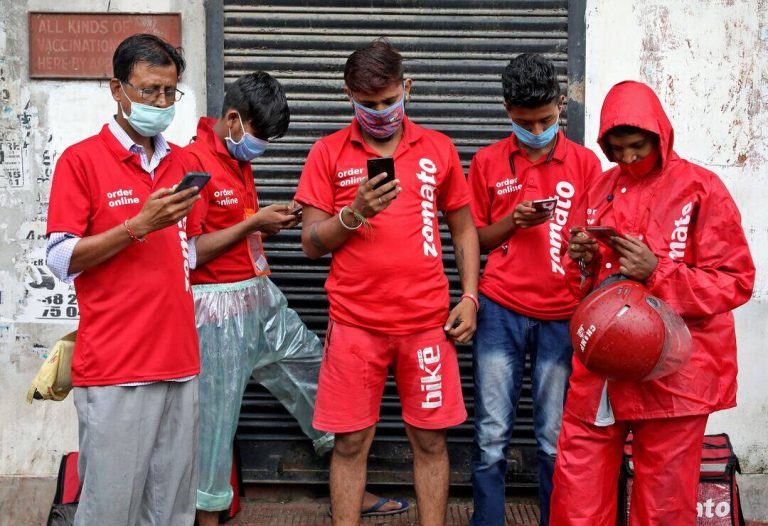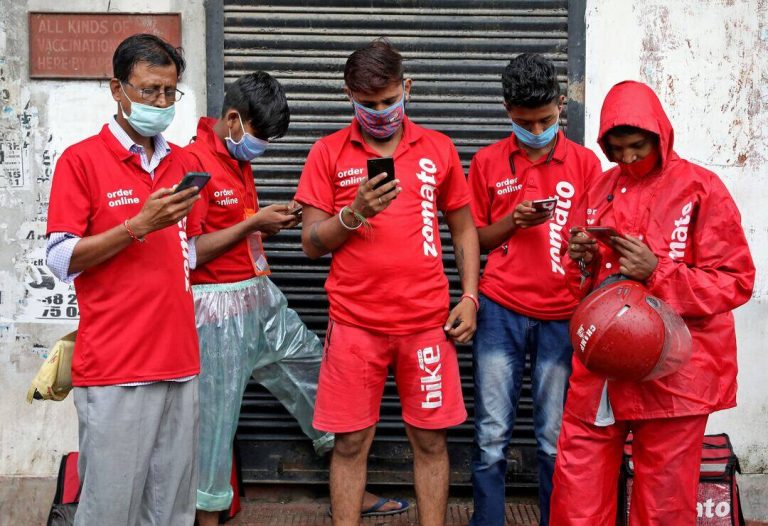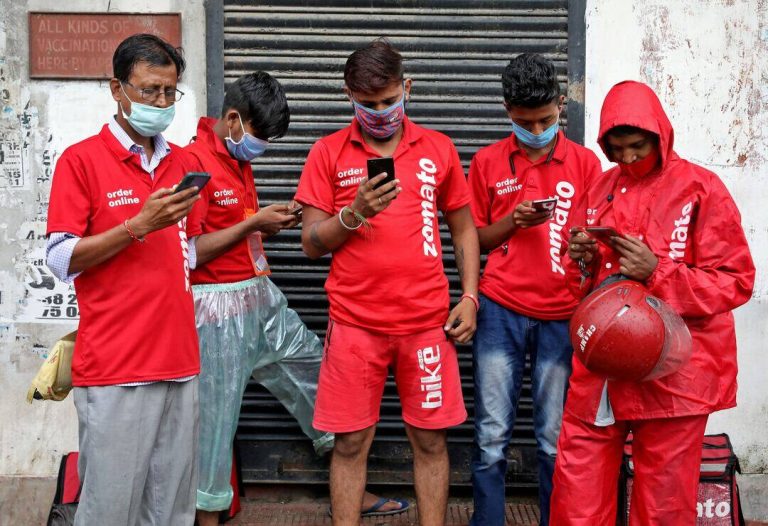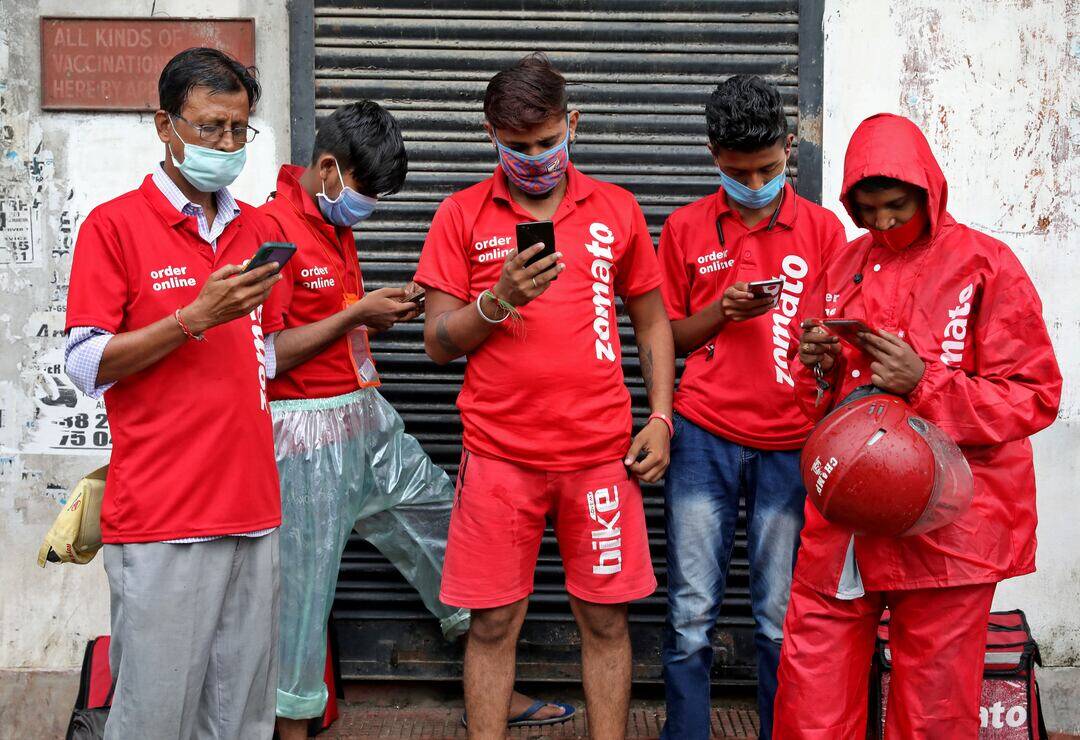
Deepinder claims issue with gig economy is it exposed class divide, says ‘We tip awkwardly’
The gig economy has been a topic of discussion for quite some time now, with many debating its pros and cons. While some argue that it has provided opportunities for people to earn a living and have a sense of freedom, others claim that it has perpetuated exploitation and inequality. Recently, billionaire Deepinder Goyal weighed in on the issue, claiming that the problem with the gig economy is not its inherent structure, but rather the fact that it has brought the prevailing class divide to light.
According to Goyal, the gig economy has ensured that workers are seen by the consuming class, which has led to a heightened awareness of the systemic inequality that exists in our society. “Suddenly, the poor aren’t hidden away,” he said. “Now, every doorbell is a reminder of systemic inequality.” This statement highlights the fact that the gig economy has made it impossible for us to ignore the class divide that exists in our society. With the rise of food delivery and ride-hailing services, we are constantly reminded of the people who are working behind the scenes to provide us with the services we use every day.
Goyal’s statement also touches on the emotional response that many of us have when we encounter workers in the gig economy. “We aren’t just debating economics, we’re confronting guilt,” he said. This guilt is a result of the fact that we are forced to confront the reality of the class divide and the exploitation that exists in our society. When we see a delivery person or a ride-hailing driver, we are reminded of the fact that they are working long hours for low wages, and that they are often struggling to make ends meet.
One of the ways that this guilt manifests is in the way that we tip workers in the gig economy. “We tip awkwardly,” Goyal said, “because inequality is no longer abstract.” This statement highlights the fact that tipping has become a way for us to try to make up for the fact that workers in the gig economy are not being paid a living wage. However, this approach is problematic, as it places the burden on individual consumers to make up for the failures of the system, rather than addressing the systemic issues that are driving inequality.
The issue of tipping is a complex one, and it highlights the contradictions that exist in our society. On the one hand, we want to show our appreciation for the workers who are providing us with services, and tipping is a way for us to do that. On the other hand, tipping can also perpetuate the idea that workers are not being paid a fair wage, and that it is up to individual consumers to make up for that. This approach can create a sense of uncertainty and anxiety, as consumers are left wondering how much they should tip, and whether their tip will actually make a difference in the life of the worker.
Goyal’s statement also raises questions about the role of technology in perpetuating inequality. The gig economy is driven by technology, and it has created new opportunities for people to work and earn a living. However, it has also created new challenges, as workers are often forced to navigate complex systems and algorithms in order to get work. This can create a sense of powerlessness and frustration, as workers feel that they are at the mercy of the technology and the companies that control it.
In order to address the issues that Goyal has raised, we need to have a more nuanced conversation about the gig economy and its impact on our society. We need to recognize that the gig economy is not just an economic system, but also a social and cultural one. We need to think about the ways in which we can create a more equitable and just system, one that values the contributions of all workers and provides them with a fair wage and decent working conditions.
Ultimately, Goyal’s statement is a call to action, a reminder that we need to confront the systemic inequality that exists in our society and work towards creating a more just and equitable world. As we move forward, we need to think about the ways in which we can use technology and other tools to create a better world for all workers, and to address the class divide that exists in our society.
News Source: https://x.com/deepigoyal/status/2007030873711927381
About the Author