Deepinder claims issue with gig economy is it exposed class divide, says ‘We tip awkwardly’
The gig economy has been a topic of discussion for many years, with proponents arguing that it provides flexibility and opportunities for workers, while critics argue that it perpetuates exploitation and inequality. Recently, billionaire Deepinder Goyal weighed in on the issue, claiming that the problem with the gig economy is not its inherent structure, but rather the fact that it exposes the prevailing class divide in our society.
According to Goyal, the gig economy has brought to light the systemic inequality that has long been hidden from view. “Suddenly, the poor aren’t hidden away,” he said. “Now, every doorbell is a reminder of systemic inequality.” This statement highlights the way in which the gig economy has made visible the class divisions that exist in our society, forcing us to confront the reality of poverty and inequality.
Goyal’s comments suggest that the issue with the gig economy is not just an economic one, but also a social and psychological one. “We aren’t just debating economics, we’re confronting guilt,” he said. This guilt arises from the fact that we are forced to confront the reality of inequality and poverty, and to acknowledge our own role in perpetuating it. As Goyal so aptly put it, “We tip awkwardly…because inequality is no longer abstract.”
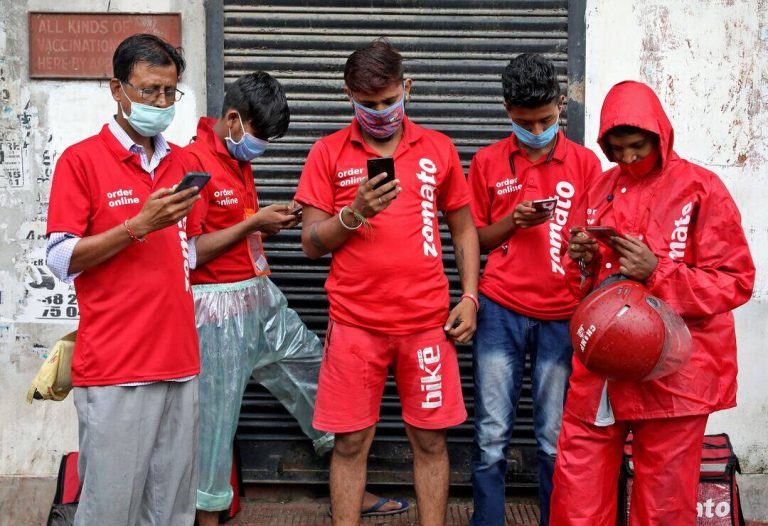
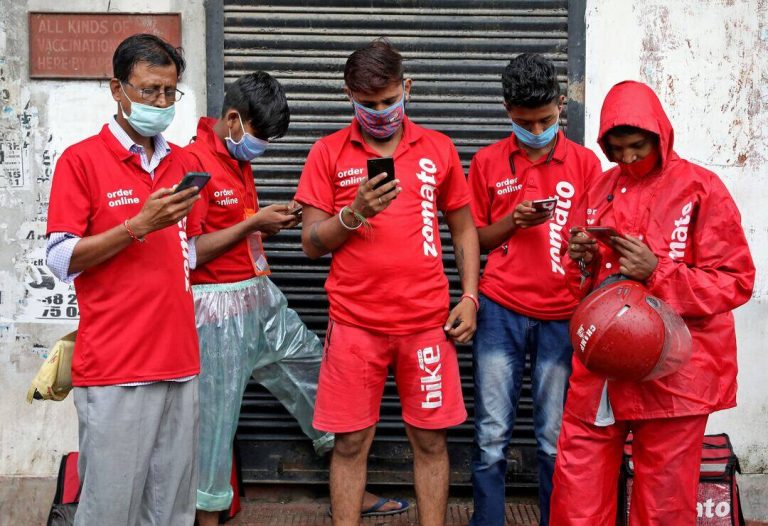
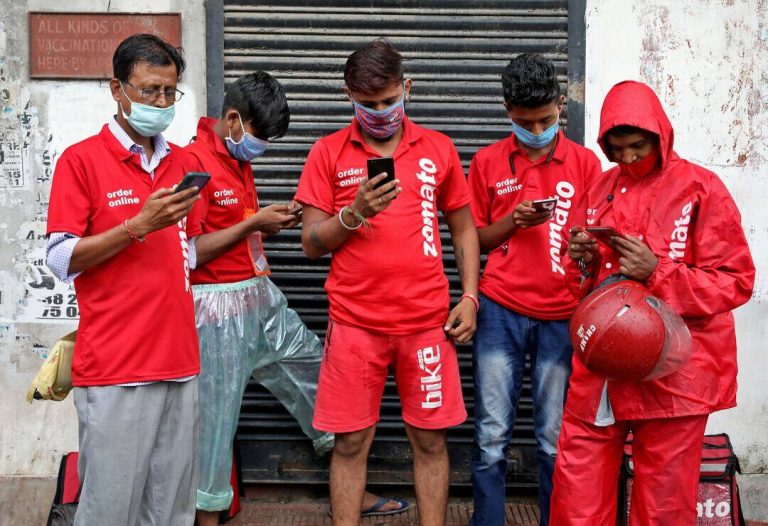
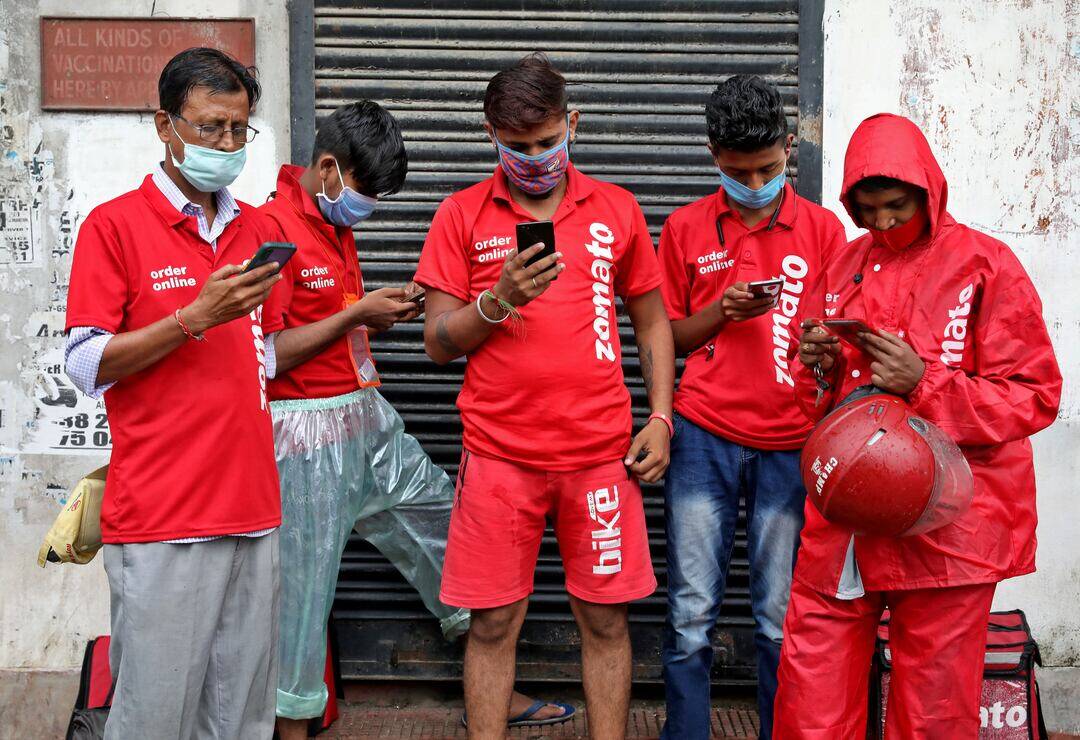
The idea that we tip awkwardly is a powerful metaphor for the way in which we interact with the gig economy. When we use services like food delivery or ride-hailing, we are often forced to confront the reality of poverty and inequality. We see the drivers and delivery workers who are struggling to make a living, and we are forced to acknowledge the fact that we are benefiting from their labor. This can create a sense of guilt and unease, which is reflected in the way that we tip.
Tipping is a complex issue, and it is often used as a way to mitigate the guilt and unease that we feel when interacting with gig economy workers. By tipping, we are able to assuage our conscience and feel like we are doing something to help the workers who are struggling. However, this can also perpetuate the problem of inequality, as it creates a system in which workers are reliant on tips to make a living wage.
Goyal’s comments highlight the need for a more nuanced and thoughtful approach to the gig economy. Rather than simply debating the economic merits of the gig economy, we need to consider the social and psychological implications of this system. We need to think about the way in which the gig economy perpetuates inequality and poverty, and we need to consider the ways in which we can create a more just and equitable system.
One possible solution is to implement policies that protect the rights of gig economy workers and ensure that they are paid a living wage. This could include measures such as minimum wage laws, benefits, and job security. By providing these protections, we can help to reduce the inequality and poverty that is perpetuated by the gig economy.
Another possible solution is to create a more transparent and equitable system for tipping. Rather than relying on a system in which workers are reliant on tips to make a living wage, we could implement a system in which tips are optional and workers are paid a living wage regardless of tips. This would help to reduce the guilt and unease that we feel when interacting with gig economy workers, and it would create a more just and equitable system.
In conclusion, Deepinder Goyal’s comments highlight the need for a more nuanced and thoughtful approach to the gig economy. The issue with the gig economy is not just an economic one, but also a social and psychological one. We need to consider the way in which the gig economy perpetuates inequality and poverty, and we need to think about the ways in which we can create a more just and equitable system. By implementing policies that protect the rights of gig economy workers and creating a more transparent and equitable system for tipping, we can help to reduce the inequality and poverty that is perpetuated by the gig economy.
Source: https://x.com/deepigoyal/status/2007030873711927381
About the Author