Deepinder claims issue with gig economy is it exposed class divide, says ‘We tip awkwardly’
The gig economy, which has been a topic of discussion for several years now, has been criticized for its treatment of workers and the impact it has on the social fabric of our society. Recently, billionaire Deepinder Goyal, the founder of Zomato, a popular food delivery company, weighed in on the issue, offering a unique perspective on the problems plaguing the gig economy. According to Goyal, the primary issue with the gig economy is not its economic model or the way it treats its workers, but rather the fact that it has exposed the prevailing class divide in our society.
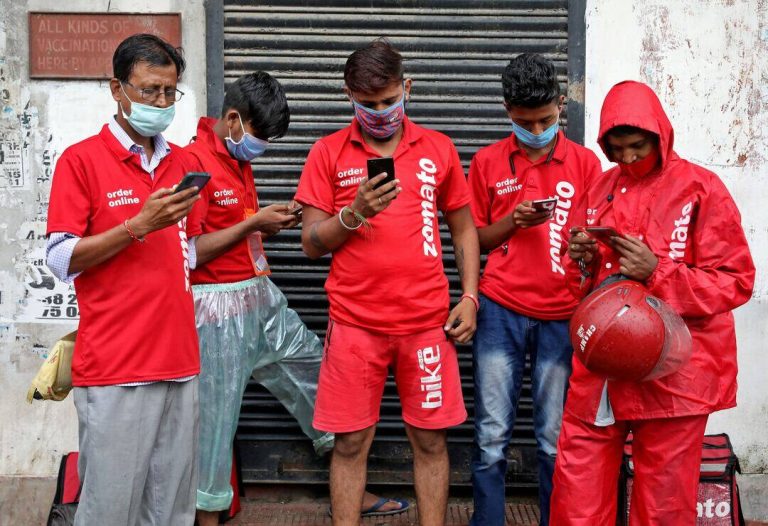
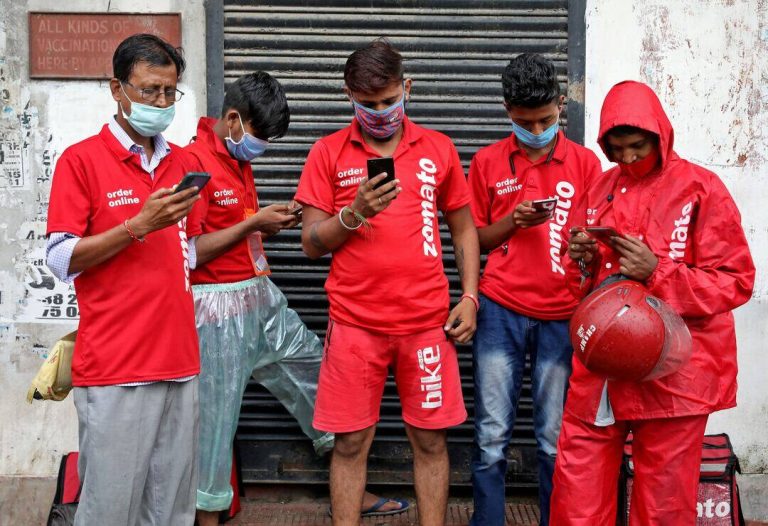
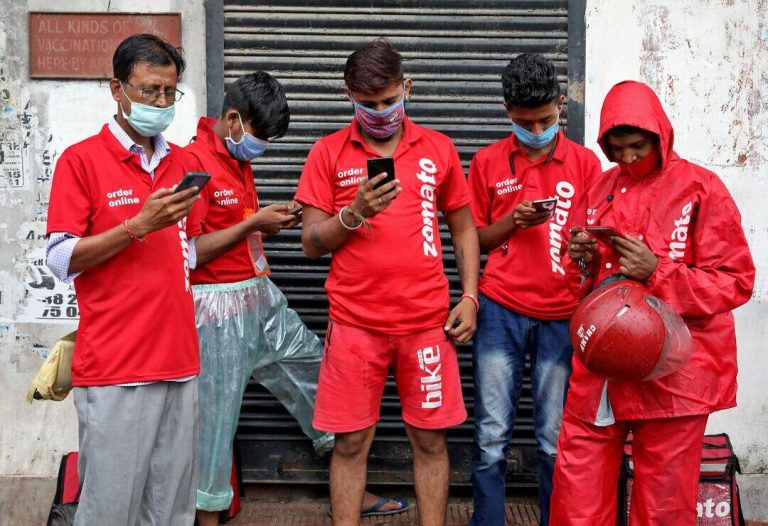
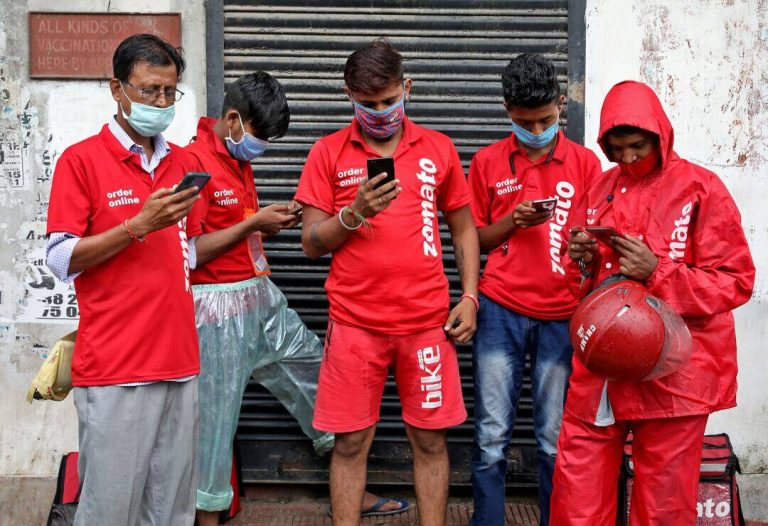
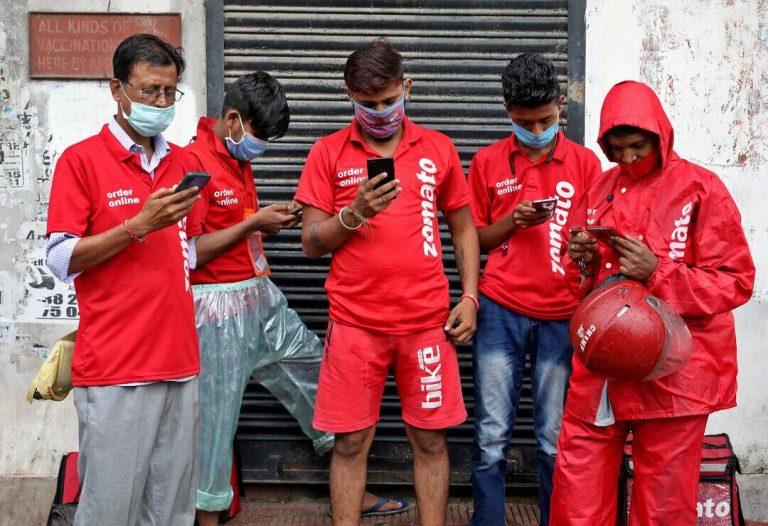
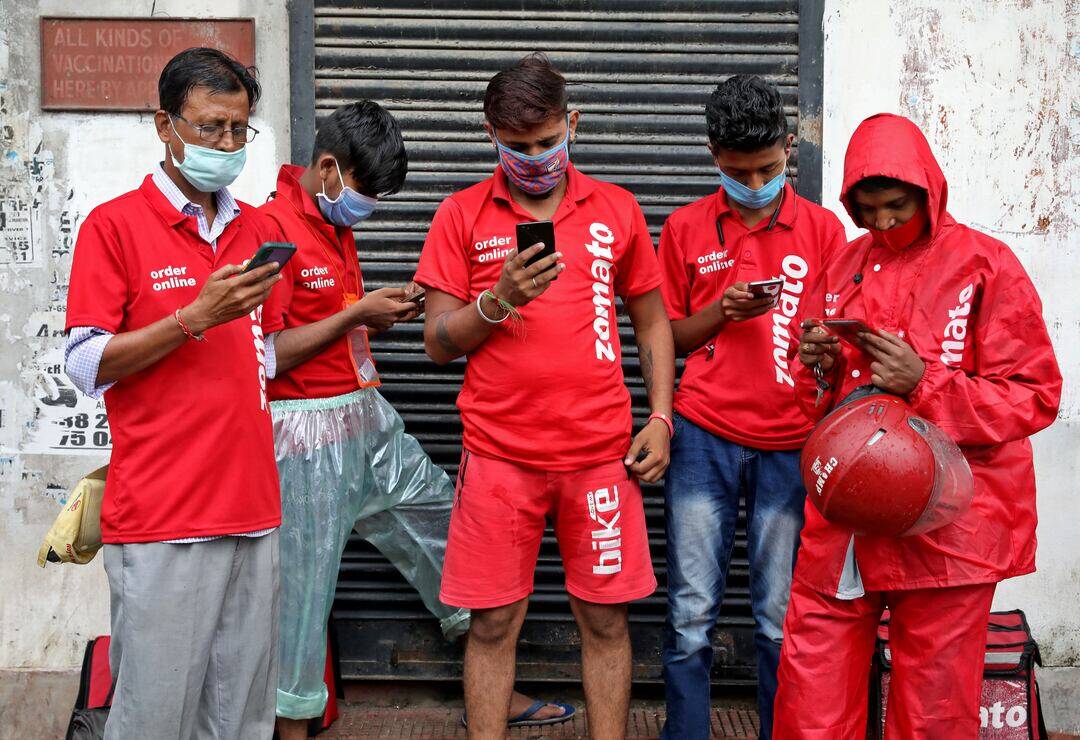
Goyal’s comments, which were made on social media, highlighted the fact that the gig economy has brought the class divide to the forefront, making it impossible for the consuming class to ignore the plight of the working class. “Suddenly, poor aren’t hidden away…Now, every doorbell is a reminder of systemic inequality,” he said. This statement underscores the fact that the gig economy has made the working class more visible, forcing the consuming class to confront the harsh realities of economic inequality.
The gig economy, which includes companies like Uber, Lyft, and food delivery services like Zomato, has been criticized for its treatment of workers, who are often classified as independent contractors rather than employees. This classification means that workers are not entitled to benefits like healthcare, paid time off, and minimum wage, leaving them vulnerable to exploitation. However, Goyal’s comments suggest that the problem with the gig economy goes beyond the economic model and the treatment of workers.
According to Goyal, the gig economy has forced the consuming class to confront the guilt of enjoying the benefits of cheap labor while ignoring the plight of the workers who make it possible. “We aren’t just debating economics, we’re confronting guilt…We tip awkwardly…because inequality is no longer abstract,” he said. This statement highlights the fact that the gig economy has made the class divide more visible, forcing people to confront the harsh realities of economic inequality.
The fact that the gig economy has exposed the class divide is not a new phenomenon. The rise of the gig economy has been accompanied by an increase in income inequality, with the wealthy getting wealthier and the poor getting poorer. However, the gig economy has made this divide more visible, forcing people to confront the fact that their cheap rides and food deliveries come at a cost to the workers who make them possible.
Goyal’s comments also highlight the fact that the gig economy has created a sense of discomfort among the consuming class. The fact that we tip workers awkwardly, often out of guilt rather than a genuine desire to show appreciation, underscores the fact that we are aware of the economic inequality that exists in our society. This discomfort is a result of the fact that the gig economy has made the class divide more visible, forcing us to confront the harsh realities of economic inequality.
The implications of Goyal’s comments are far-reaching. They suggest that the problem with the gig economy is not just an economic one, but also a social and moral one. The fact that the gig economy has exposed the class divide and forced us to confront the guilt of enjoying the benefits of cheap labor highlights the need for a more nuanced approach to addressing the issues plaguing the gig economy.
Rather than simply debating the economic model of the gig economy, we need to confront the systemic inequality that exists in our society. This requires a more comprehensive approach that addresses the root causes of economic inequality, including the lack of access to education and job opportunities, the erosion of labor rights, and the concentration of wealth among the top 1%.
In conclusion, Deepinder Goyal’s comments on the gig economy offer a unique perspective on the problems plaguing this sector. By highlighting the fact that the gig economy has exposed the prevailing class divide in our society, Goyal’s comments underscore the need for a more nuanced approach to addressing the issues plaguing the gig economy. Rather than simply debating the economic model, we need to confront the systemic inequality that exists in our society and work towards creating a more equitable and just system for all.
News Source: https://x.com/deepigoyal/status/2007030873711927381
About the Author