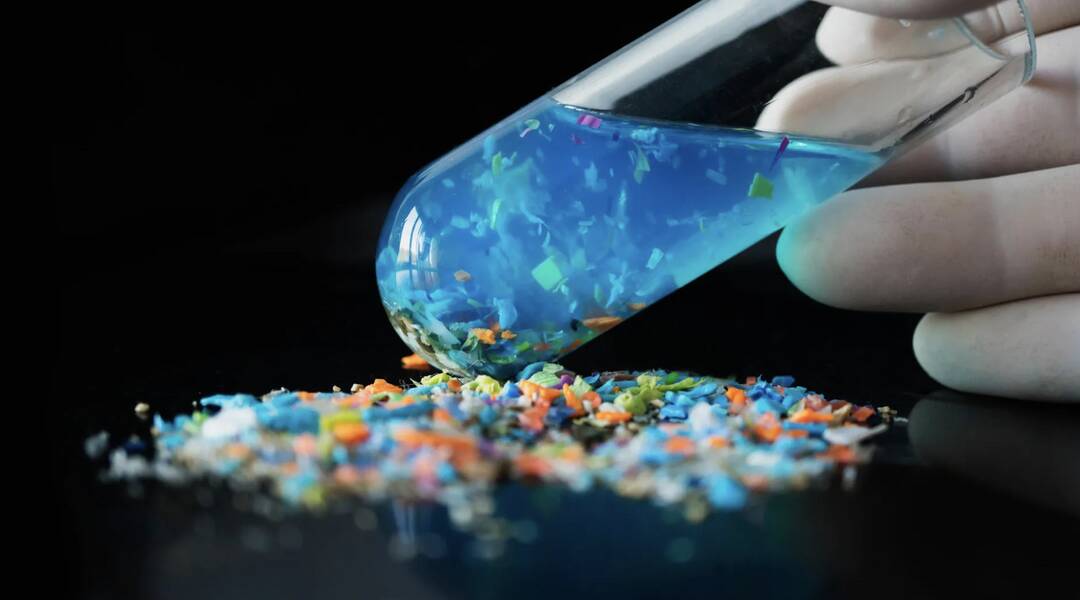
Microplastics leak invisible chemical clouds into water: Study
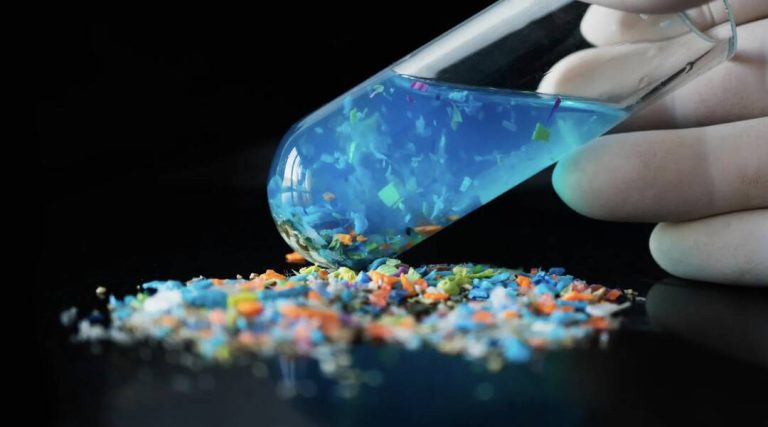
The world’s water bodies, including rivers, lakes, and oceans, are facing a growing threat from microplastics. These tiny plastic particles, which are less than 5 millimeters in size, have been found to be ubiquitous in aquatic environments, with devastating consequences for marine life and human health. A recent study has shed new light on the impact of microplastics on water quality, revealing that they release invisible clouds of chemicals into the water, driven by sunlight. The findings of this study have significant implications for our understanding of the risks associated with microplastics and the need for urgent action to mitigate their effects.
The study, which examined four common types of plastics, including polyethylene, polypropylene, polystyrene, and polyvinyl chloride, found that each type of plastic releases its own unique mixture of chemicals into the water. These chemicals, which are dissolved organic matter (DOM), are formed when the plastics break down in the presence of sunlight. The researchers discovered that the DOM released by microplastics is more biologically active than natural organic matter, which is derived from plants and animals. This means that the chemicals released by microplastics have a greater potential to affect the health of aquatic organisms and the overall ecosystem.
One of the most surprising findings of the study was that plastics labeled as biodegradable released the most chemicals into the water. This challenges the common assumption that biodegradable plastics are a more environmentally friendly alternative to traditional plastics. The researchers found that biodegradable plastics, which are designed to break down more quickly in the environment, actually release a greater amount of DOM into the water. This highlights the need for a more nuanced understanding of the impact of biodegradable plastics on the environment and the need for further research into their effects.
The release of invisible chemical clouds by microplastics has significant implications for aquatic ecosystems. The chemicals released by microplastics can affect the growth and development of aquatic organisms, alter the composition of phytoplankton and zooplankton communities, and even influence the Earth’s climate. For example, some of the chemicals released by microplastics have been shown to stimulate the growth of algae, which can lead to the formation of harmful algal blooms. These blooms can deplete the oxygen in the water, causing the death of aquatic organisms and disrupting the entire ecosystem.
The study also highlights the need for a more comprehensive approach to addressing the problem of microplastics in water bodies. Currently, many efforts to mitigate the effects of microplastics focus on removing them from the environment through clean-up initiatives and reducing plastic waste through recycling and waste management programs. While these efforts are important, they do not address the root cause of the problem, which is the production and use of plastics. The study suggests that a more effective approach would be to reduce the amount of plastics that enter the environment in the first place, through measures such as extended producer responsibility, plastic taxes, and bans on single-use plastics.
Furthermore, the study underscores the importance of considering the impact of microplastics on human health. The chemicals released by microplastics can enter the food chain and be ingested by humans, potentially causing harm. For example, some of the chemicals released by microplastics have been shown to be carcinogenic, while others have been linked to reproductive and developmental problems. The study highlights the need for further research into the human health impacts of microplastics and the development of strategies to mitigate these effects.
In conclusion, the study provides new insights into the impact of microplastics on water quality and the environment. The release of invisible chemical clouds by microplastics, driven by sunlight, is a significant concern that requires urgent attention. The findings of the study highlight the need for a more comprehensive approach to addressing the problem of microplastics, including reducing the amount of plastics that enter the environment, removing microplastics from the environment, and mitigating their effects on human health and the environment. As we move forward, it is essential that we prioritize the development of sustainable and environmentally friendly alternatives to plastics and work towards a future where the impact of microplastics on the environment is minimized.
News Source: https://www.sciencedaily.com/releases/2025/12/251224032408.htm
About the Author