Clubs demand no participation fee, AIFF funding for ISL restart
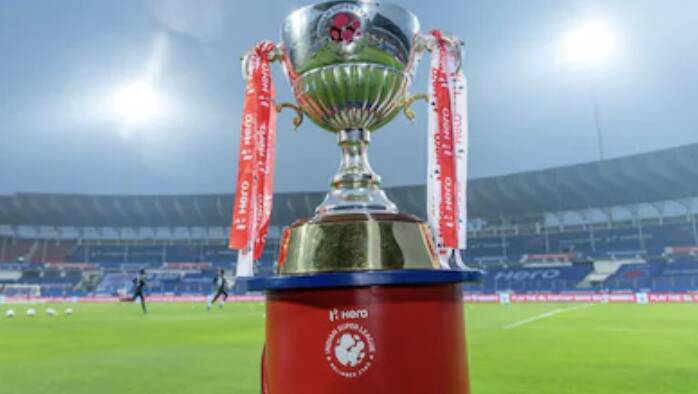
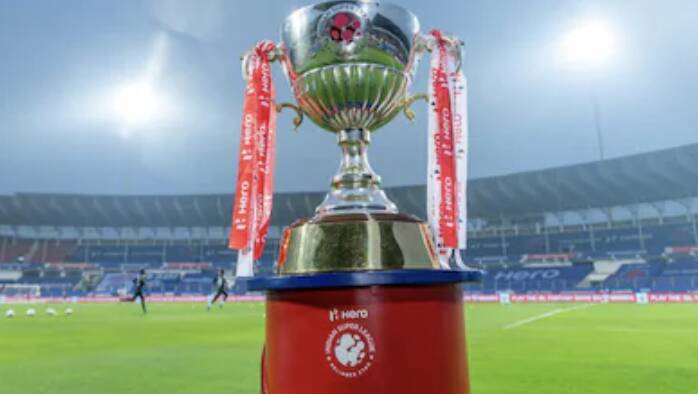
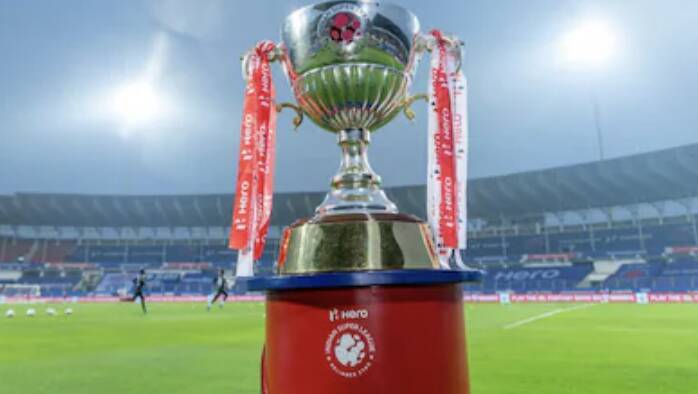
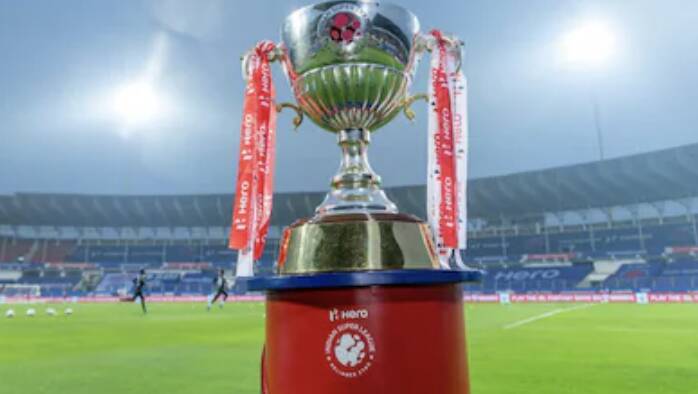
The Indian Super League (ISL) has been facing uncertainty over the past few months, with the upcoming 2025-2026 season hanging in the balance. However, in a recent development, thirteen out of the fourteen ISL clubs have come together to express their willingness to participate in the delayed season, provided certain conditions are met. The clubs have demanded that there should be no participation fee and that the All India Football Federation (AIFF) should cover the operational costs for the league.
This move by the clubs is seen as a significant step towards finding a solution to the ongoing crisis in Indian football. The ISL, which is the top-tier football league in the country, has been plagued by issues related to funding, governance, and commercial viability. The clubs, which have been facing financial difficulties, have been seeking a more sustainable and equitable model for the league.
In a joint statement, the thirteen clubs have expressed their “readiness and willingness” to participate in the ISL 2025-2026 season, subject to certain conditions. The clubs have demanded that the AIFF should waive the participation fee, which is a significant burden on the clubs. The participation fee, which can range from Rs 10 crore to Rs 15 crore per season, is a major expense for the clubs, and waiving it would provide significant relief.
Furthermore, the clubs have also requested that the AIFF should cover the operational costs for the league. This includes expenses such as stadium rental, security, and other logistical costs. The clubs have argued that these costs should be borne by the AIFF, as they are essential for the smooth conduct of the league.
In addition to these financial demands, the clubs have also sought a clear and time-bound roadmap for the league’s long-term commercial, governance, and financially sustainable structure. The clubs have expressed their desire for a more transparent and accountable governance model, which would ensure the financial sustainability of the league.
The demand for a clear roadmap is significant, as it highlights the need for a more strategic and visionary approach to the development of Indian football. The ISL, which was launched in 2014, has failed to achieve its full potential, despite its initial success. The league has struggled to attract significant investment, and the clubs have faced financial difficulties.
The AIFF, which is the governing body for football in India, has been criticized for its handling of the ISL. The federation has been accused of failing to provide a clear vision for the league, and for not doing enough to address the financial difficulties faced by the clubs.
In response to the demands made by the clubs, the AIFF has stated that it is committed to finding a solution to the crisis. The federation has expressed its willingness to work with the clubs to find a more sustainable and equitable model for the league.
The developments in the ISL have significant implications for Indian football as a whole. The league, which is the top-tier competition in the country, has the potential to drive the growth and development of the sport. However, the ongoing crisis has raised concerns about the future of the league, and the impact it could have on the sport.
The demand for no participation fee and AIFF funding for the ISL restart is a significant step towards finding a solution to the crisis. The clubs, which have been facing financial difficulties, have made it clear that they are willing to participate in the league, provided their demands are met.
The AIFF, which has been criticized for its handling of the ISL, has an opportunity to redeem itself. The federation can work with the clubs to find a more sustainable and equitable model for the league, which would ensure the financial sustainability of the clubs and the growth of the sport.
In conclusion, the demand for no participation fee and AIFF funding for the ISL restart is a significant development in the ongoing crisis in Indian football. The thirteen ISL clubs have made it clear that they are willing to participate in the league, provided their demands are met. The AIFF, which has been criticized for its handling of the ISL, has an opportunity to find a solution to the crisis and ensure the growth and development of the sport.
News Source: https://repository.inshorts.com/articles/en/PTI/292a827d-c3c4-4cd5-a4cf-6feefaf14e41
About the Author