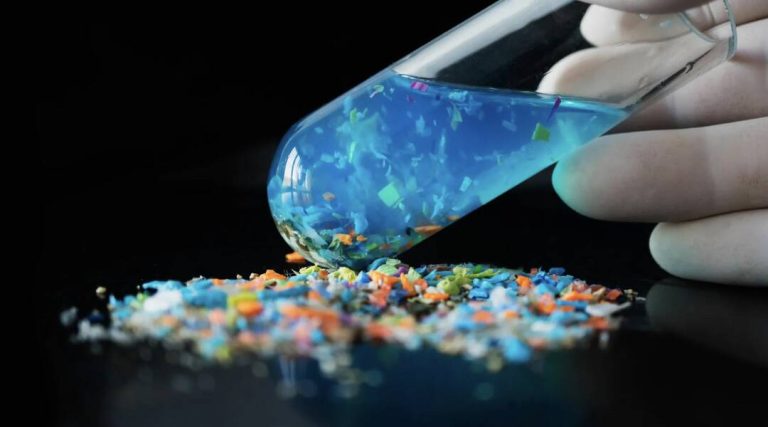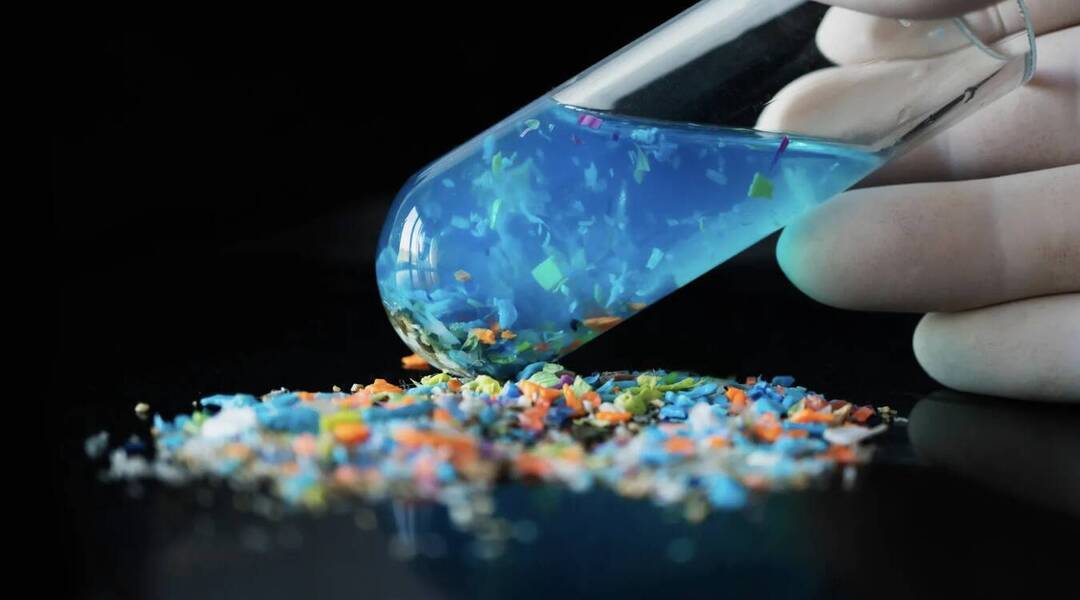
Microplastics leak invisible chemical clouds into water: Study
The issue of microplastics in our environment has been a pressing concern for several years. These tiny plastic particles, which are less than 5 millimeters in size, have been found to be ubiquitous in our oceans, rivers, and lakes. They can come from a variety of sources, including the breakdown of larger plastic items, microbeads in personal care products, and synthetic fibers from clothing. While the physical effects of microplastics on marine life have been well-documented, a recent study has shed light on a previously unknown impact of microplastics on our water systems.
According to the study, microplastics in rivers, lakes, and oceans release invisible clouds of chemicals into the water, driven by sunlight. This phenomenon is known as “photodegradation,” where the energy from sunlight breaks down the plastic particles into smaller compounds. The study, which examined four common plastic types, found that each releases its own unique chemical mixture into the water. Perhaps most surprisingly, the plastics labeled as biodegradable were found to release the most chemicals.
The researchers behind the study were interested in understanding the impact of microplastics on the dissolved organic matter (DOM) in water. DOM is a complex mixture of organic compounds that are dissolved in water, and it plays a crucial role in the ecosystem. The study found that the DOM released by microplastics is more biologically active than natural organic matter. This means that the chemicals released by microplastics have a greater potential to interact with and affect the surrounding ecosystem.
The four plastic types examined in the study were polyethylene, polypropylene, polyvinyl chloride (PVC), and polylactic acid (PLA). PLA is a biodegradable plastic that is often used in packaging and disposable cutlery. The study found that PLA released the most chemicals into the water, followed by PVC, polyethylene, and polypropylene. The chemicals released by each plastic type were unique and varied, with some plastics releasing more volatile organic compounds (VOCs) and others releasing more non-volatile compounds.
The implications of this study are significant. The release of invisible chemical clouds into our water systems has the potential to affect not just marine life, but also human health. Many of the chemicals released by microplastics have been linked to human health problems, including cancer, reproductive issues, and neurological damage. Furthermore, the fact that biodegradable plastics release the most chemicals raises questions about the effectiveness of biodegradable plastics as a solution to the microplastic problem.
The study also highlights the importance of considering the impact of microplastics on the ecosystem as a whole. While much of the focus has been on the physical effects of microplastics on marine life, this study shows that the chemical effects of microplastics can be just as significant. The release of chemicals into the water can affect the entire food chain, from the smallest plankton to the largest fish.
So what can be done to mitigate the impact of microplastics on our water systems? The first step is to reduce the amount of plastic that enters our environment. This can be achieved through a combination of measures, including reducing plastic use, increasing recycling, and improving waste management. Governments and companies can also play a role by implementing policies and practices that minimize plastic waste.
Individuals can also take action to reduce their plastic use. Simple steps such as using reusable bags and water bottles, avoiding products with microbeads, and choosing products with minimal packaging can make a big difference. Additionally, supporting companies that use biodegradable or compostable materials can help to reduce the amount of plastic waste in the environment.
In conclusion, the study on microplastics and their impact on our water systems is a wake-up call. The release of invisible chemical clouds into our rivers, lakes, and oceans is a significant problem that requires immediate attention. By understanding the impact of microplastics on our ecosystem and taking steps to reduce plastic waste, we can work towards a future where our water systems are free from the harmful effects of microplastics.
News Source: https://www.sciencedaily.com/releases/2025/12/251224032408.htm
About the Author