Clubs demand no participation fee, AIFF funding for ISL restart
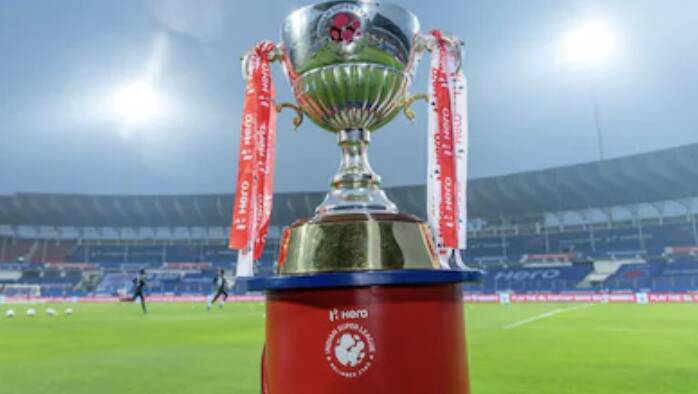
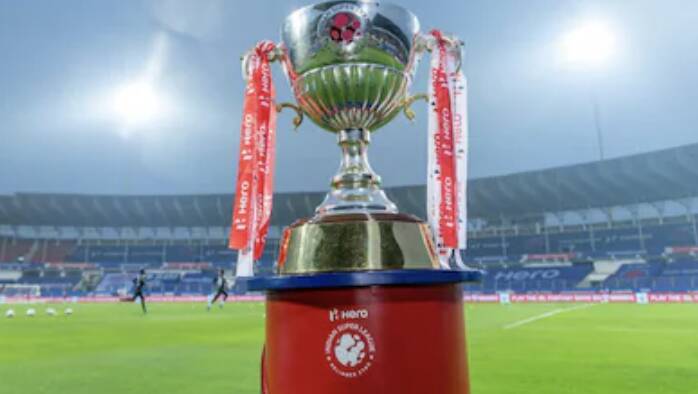
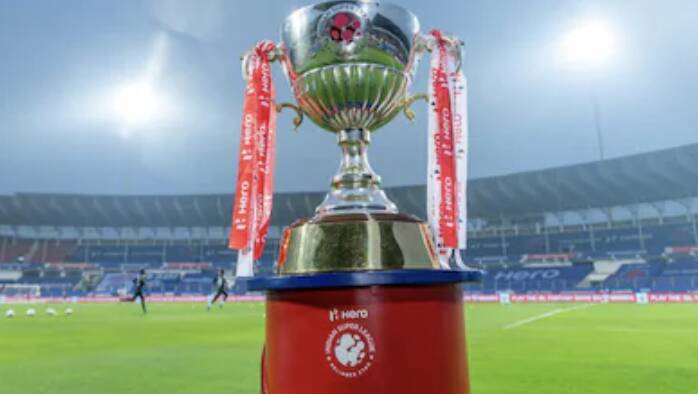
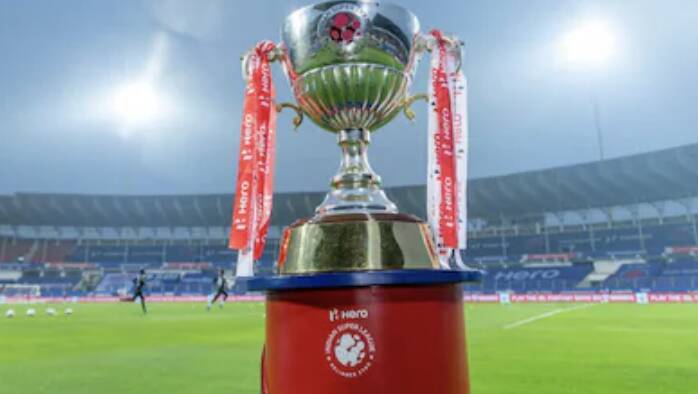
The Indian Super League (ISL) has been facing a number of challenges in recent times, and the latest development has brought the future of the league into question. Thirteen of the 14 ISL clubs have come together to express their concerns and demands to the All India Football Federation (AIFF), the governing body of football in India. The clubs have stated that they “may be ready and willing” to participate in the delayed ISL 2025-2026 season, but only if certain conditions are met.
The primary demand of the clubs is that there should be no participation fee for the upcoming season. The participation fee is a significant expense for the clubs, and they feel that it is unfair to expect them to pay this fee given the current financial situation of the league. The clubs have also requested that the AIFF covers the operational costs of the league, which would help to reduce the financial burden on the clubs.
In addition to these financial demands, the clubs have also requested a clear and time-bound roadmap for the league’s long-term commercial, governance, and financially sustainable structure. The clubs feel that the lack of a clear plan for the future of the league has created uncertainty and instability, which is affecting their ability to plan and prepare for the upcoming season.
The ISL has been facing a number of challenges in recent times, including financial difficulties and a decline in popularity. The league has struggled to attract and retain top players, and the quality of the football has suffered as a result. The clubs feel that the AIFF needs to take a more proactive role in addressing these challenges and creating a sustainable future for the league.
The demand for no participation fee and AIFF funding is not unprecedented. In the past, the AIFF has provided financial support to the clubs to help them cover their expenses. However, the amount of support provided has been limited, and the clubs feel that more needs to be done to ensure the financial sustainability of the league.
The clubs have also expressed their concerns about the governance structure of the league. They feel that the current structure is not transparent or accountable, and that it is not in the best interests of the clubs or the league as a whole. The clubs have requested that the AIFF establishes a more democratic and inclusive governance structure, which would give the clubs a greater say in the decision-making process.
The AIFF has not yet responded to the demands of the clubs, but it is likely that the federation will need to take some action to address the concerns of the clubs. The ISL is an important part of Indian football, and it is in the best interests of the sport as a whole to ensure that the league is successful and sustainable.
The delay in the start of the ISL 2025-2026 season has already caused significant disruption to the football calendar in India. The clubs have been unable to prepare and plan for the upcoming season, and the uncertainty surrounding the league has created a sense of unease among players, coaches, and fans.
The ISL has the potential to be a successful and popular league, but it needs the support and investment of the AIFF to achieve this goal. The federation needs to take a more proactive role in addressing the challenges facing the league and creating a sustainable future for Indian football.
In conclusion, the demands of the ISL clubs for no participation fee and AIFF funding are reasonable and necessary. The clubs need financial support to cover their expenses, and the AIFF needs to provide a clear and time-bound roadmap for the league’s future. The governance structure of the league also needs to be reformed to make it more transparent, accountable, and inclusive.
The future of the ISL is uncertain, but one thing is clear: the league needs the support and investment of the AIFF to succeed. The AIFF needs to take a more proactive role in addressing the challenges facing the league and creating a sustainable future for Indian football.
News Source: https://repository.inshorts.com/articles/en/PTI/292a827d-c3c4-4cd5-a4cf-6feefaf14e41
About the Author