Marrying US citizen no longer guarantees a Green Card: Immigration attorney
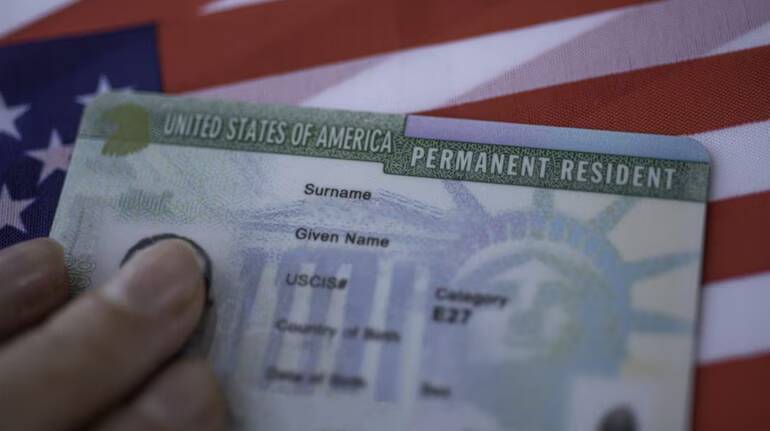
The notion that marrying a US citizen is a guaranteed pathway to obtaining a Green Card has been a long-standing one. However, according to Brad Bernstein, an American immigration attorney, this is no longer the case. Under the Trump administration, marriage-based Green Card applications are being scrutinized more closely, with officials assessing the genuineness of a marriage in daily life. This shift in policy has significant implications for couples who are navigating the complex and often daunting process of obtaining a Green Card.
In recent years, the US immigration system has undergone significant changes, with the Trump administration implementing a series of policies aimed at restricting immigration. One of the key areas of focus has been on marriage-based Green Card applications, with officials seeking to root out cases of marriage fraud. While this may seem like a legitimate goal, the reality is that many genuine couples are being caught in the crossfire, with their applications being rejected or delayed due to increased scrutiny.
According to Bernstein, one of the key factors that officials are looking at when assessing a marriage-based Green Card application is whether the couple lives together. Couples who are legally married but live apart are increasingly at risk of rejection, as officials view this as a sign that the marriage may not be genuine. This can be particularly challenging for couples who are in a long-distance relationship or who have other commitments that prevent them from living together.
The increased scrutiny of marriage-based Green Card applications is having a significant impact on couples who are seeking to build a life together in the US. Many are facing lengthy delays and rejections, with some even being forced to separate due to the uncertainty and complexity of the process. This can be emotionally and financially draining, with couples facing significant stress and anxiety as they navigate the system.
So, what do immigrants need to know about the new reality of marriage-based Green Card applications? First and foremost, it is essential to understand that marrying a US citizen is no longer a guarantee of obtaining a Green Card. Couples must be prepared to provide extensive documentation and evidence of their relationship, including proof of cohabitation, joint financial accounts, and other signs of a genuine marriage.
In addition, couples must be aware of the increased scrutiny that their application will face. This means being prepared to provide detailed information about their relationship, including how they met, how they communicate, and how they make decisions together. It is also essential to be aware of the potential red flags that may raise suspicions about the genuineness of the marriage, such as living apart or having separate financial accounts.
To navigate this complex process, it is highly recommended that couples seek the advice of an experienced immigration attorney. An attorney can provide guidance on the documentation and evidence required to support the application, as well as help to prepare the couple for the interview process. This can be particularly helpful in cases where the couple is facing challenges or has complex circumstances that may affect their application.
In conclusion, the days of marrying a US citizen being a guaranteed pathway to obtaining a Green Card are behind us. Under the Trump administration, marriage-based Green Card applications are being examined more closely, with officials seeking to assess the genuineness of a marriage in daily life. Couples who are seeking to build a life together in the US must be prepared to provide extensive documentation and evidence of their relationship, and must be aware of the potential risks and challenges that they may face. By seeking the advice of an experienced immigration attorney and being aware of the new reality of marriage-based Green Card applications, couples can navigate this complex process and build a successful life together in the US.
About the Author