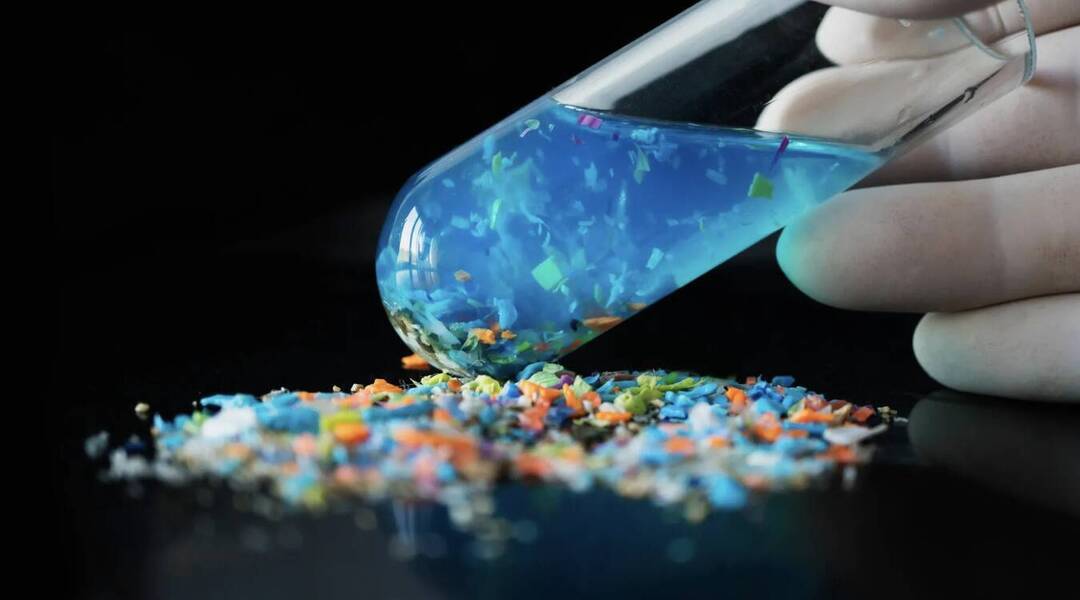
Microplastics leak invisible chemical clouds into water: Study
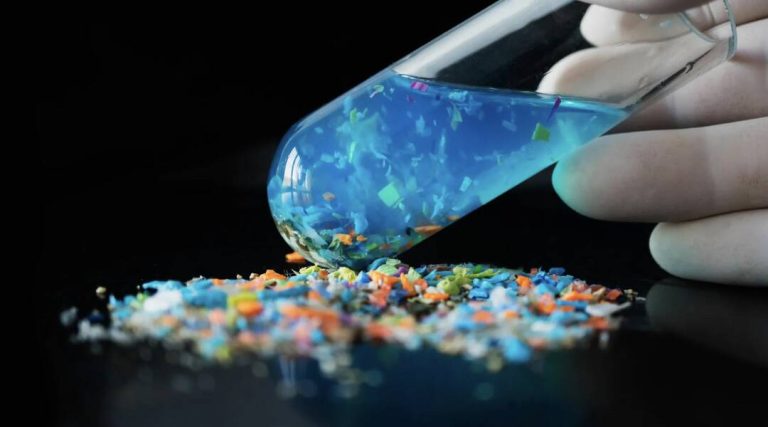
The world’s water bodies, including rivers, lakes, and oceans, are facing a growing threat from microplastics. These tiny plastic particles, which are less than 5 millimeters in size, have been found to be ubiquitous in aquatic environments, and their impact on the ecosystem is still not fully understood. A recent study has shed some light on the issue, revealing that microplastics in water release invisible clouds of chemicals into the surrounding water, driven by sunlight. The study’s findings have significant implications for our understanding of the effects of microplastics on aquatic life and the environment as a whole.
The study, which examined four common types of plastic, including polyethylene, polypropylene, polyvinyl chloride, and polystyrene, found that each type of plastic releases its own unique mixture of chemicals into the water. The researchers discovered that when microplastics are exposed to sunlight, they undergo a process called photodegradation, which breaks down the plastic into smaller particles and releases a cloud of chemicals into the surrounding water. These chemical clouds are invisible to the naked eye, but they can have a significant impact on the aquatic ecosystem.
One of the most surprising findings of the study was that plastics labeled as biodegradable release the most chemicals into the water. This is because biodegradable plastics are designed to break down more quickly than traditional plastics, but this process also releases more chemicals into the environment. The study found that the dissolved organic matter (DOM) released by biodegradable plastics is more biologically active than natural organic matter, which means that it can have a greater impact on the ecosystem.
The study’s findings have significant implications for our understanding of the effects of microplastics on aquatic life. Microplastics have been shown to be ingested by a wide range of aquatic organisms, from tiny zooplankton to large fish and mammals. When these organisms ingest microplastics, they are also ingesting the chemicals that are released by the plastics. These chemicals can accumulate in the tissues of the organisms and can be passed up the food chain, potentially harming humans who consume seafood.
The study’s findings also highlight the need for more research into the effects of microplastics on the environment. While the study provides valuable insights into the chemical clouds released by microplastics, more work is needed to fully understand the impact of these chemicals on aquatic life. The study’s authors suggest that further research is needed to determine the toxicity of the chemicals released by microplastics and to develop strategies for reducing the amount of microplastics in the environment.
In addition to the environmental implications, the study’s findings also have significant implications for human health. Microplastics have been found in a wide range of foods, including seafood, salt, and even beer. When humans ingest microplastics, they are also ingesting the chemicals that are released by the plastics. While the health impacts of ingesting microplastics are not yet fully understood, the study’s findings suggest that it could be a significant concern.
To address the issue of microplastics in the environment, governments and individuals can take several steps. One of the most effective ways to reduce the amount of microplastics in the environment is to reduce the amount of plastic waste that enters the environment in the first place. This can be achieved through a combination of recycling, composting, and reducing the use of single-use plastics. Individuals can also make a difference by choosing products that are packaged in biodegradable or recyclable materials and by avoiding products that contain microbeads or other microplastics.
In conclusion, the study’s findings highlight the need for further research into the effects of microplastics on the environment and human health. The release of invisible chemical clouds by microplastics is a significant concern, and more work is needed to fully understand the impact of these chemicals on aquatic life. By reducing the amount of plastic waste that enters the environment and by developing strategies for reducing the amount of microplastics in the environment, we can help to mitigate the effects of microplastics and protect the health of our planet.
The study’s findings are a reminder that the issue of microplastics is complex and multifaceted, and that addressing it will require a comprehensive approach. By working together, governments, individuals, and organizations can help to reduce the amount of microplastics in the environment and protect the health of our planet.
Source:
https://www.sciencedaily.com/releases/2025/12/251224032408.htm
About the Author