Microplastics leak invisible chemical clouds into water: Study
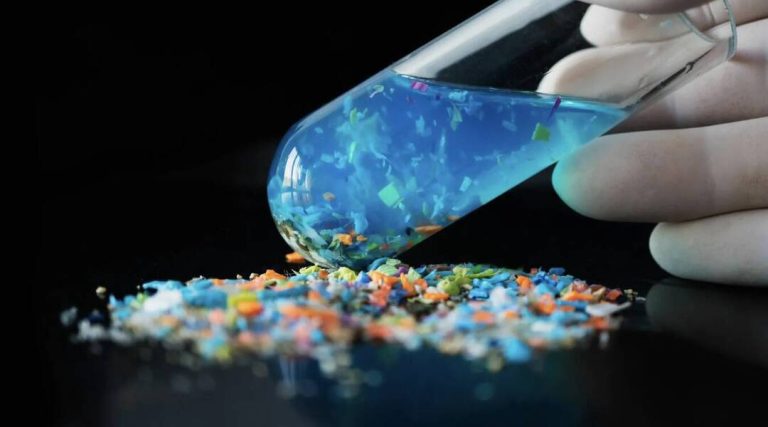
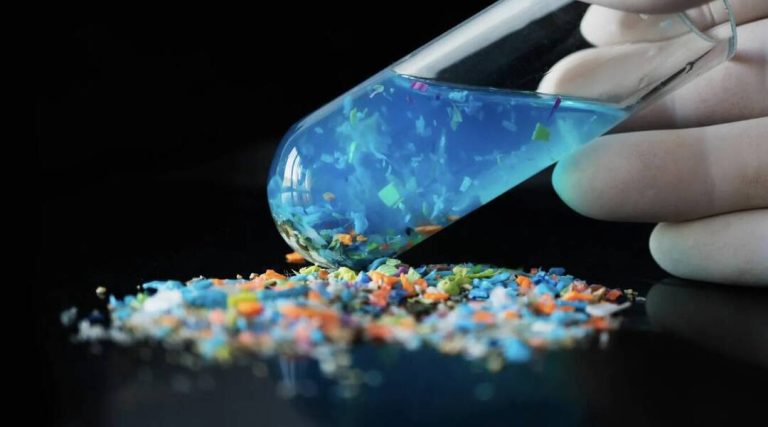
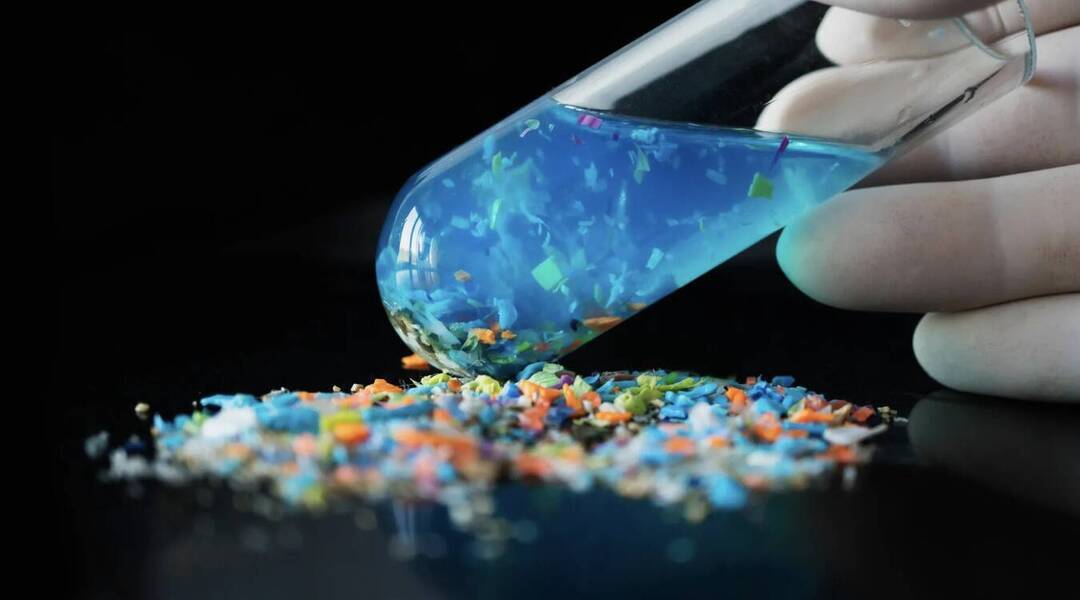
The world’s water bodies, including rivers, lakes, and oceans, are facing a growing threat from microplastics. These tiny plastic particles, which are less than 5 millimeters in size, have been found to be ubiquitous in aquatic environments, with devastating consequences for the health of our planet. A recent study has shed new light on the impact of microplastics on water quality, revealing that they release invisible clouds of chemicals into the water, driven by sunlight. The study’s findings have significant implications for our understanding of the effects of microplastics on aquatic ecosystems and human health.
The study, which examined four common types of plastic, including polyethylene, polypropylene, polyvinyl chloride, and polystyrene, found that each type of plastic releases its own unique chemical mixture into the water. The researchers discovered that when microplastics are exposed to sunlight, they break down and release a complex mixture of chemicals, including dissolved organic matter (DOM). This DOM is made up of a variety of organic compounds, including carbon-based molecules, which can have significant effects on the surrounding water chemistry.
One of the most surprising findings of the study was that plastics labeled as biodegradable released the most chemicals into the water. This is counterintuitive, as biodegradable plastics are often touted as a more environmentally friendly alternative to traditional plastics. However, the study’s results suggest that these plastics may actually be contributing to the problem of microplastic pollution, rather than helping to solve it.
The study’s authors found that the DOM released by microplastics is more biologically active than natural organic matter, which is the organic matter that occurs naturally in the environment. This means that the chemicals released by microplastics have the potential to have significant effects on the surrounding ecosystem, including altering the pH and nutrient levels of the water. The researchers also found that the DOM released by microplastics can react with other chemicals in the water, including heavy metals and pesticides, to form new and potentially toxic compounds.
The implications of this study are far-reaching and have significant consequences for our understanding of the impact of microplastics on aquatic ecosystems. The release of invisible chemical clouds into the water can have devastating effects on the health and well-being of aquatic organisms, including fish, plants, and other microorganisms. The chemicals released by microplastics can also accumulate in the food chain, potentially harming humans who consume contaminated seafood or drink water from polluted sources.
The study’s findings also highlight the need for more research into the effects of microplastics on aquatic ecosystems. While the study provides valuable insights into the chemical composition of microplastics and their effects on water quality, more work is needed to fully understand the scope of the problem and to develop effective solutions. This includes developing new technologies and strategies for removing microplastics from the environment, as well as implementing policies and regulations to reduce the amount of plastic waste that enters the environment in the first place.
In addition to the environmental implications, the study’s findings also have significant consequences for human health. The chemicals released by microplastics have been shown to be toxic to humans, and exposure to these chemicals has been linked to a range of health problems, including cancer, reproductive issues, and neurological damage. The study’s authors note that the release of invisible chemical clouds into the water can also have significant economic implications, including damage to fisheries and tourism industries, as well as increased costs for water treatment and remediation.
In conclusion, the study’s findings provide a stark warning about the dangers of microplastic pollution and the need for urgent action to address this growing problem. The release of invisible chemical clouds into the water is a serious concern that requires immediate attention from policymakers, researchers, and the general public. By working together, we can reduce the amount of plastic waste that enters the environment, develop new technologies and strategies for removing microplastics from the water, and protect the health and well-being of both humans and the environment.
The study’s results are a wake-up call for all of us, and it is essential that we take action to mitigate the effects of microplastic pollution. This includes reducing our use of single-use plastics, increasing recycling and waste management efforts, and supporting research and development of new technologies and strategies for addressing microplastic pollution. By taking these steps, we can help to protect the health of our planet and ensure a sustainable future for generations to come.
Source:
https://www.sciencedaily.com/releases/2025/12/251224032408.htm
About the Author