Clubs demand no participation fee, AIFF funding for ISL restart
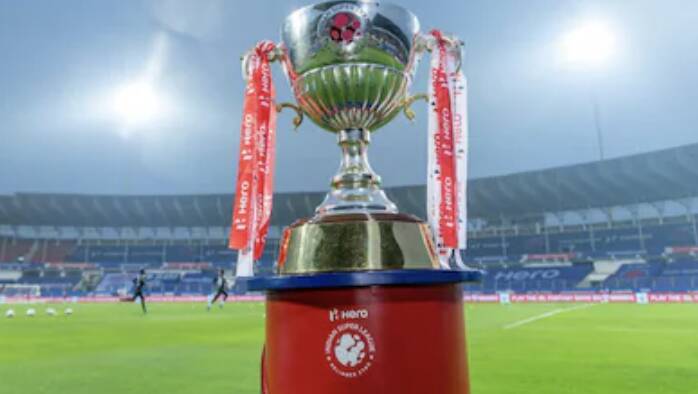
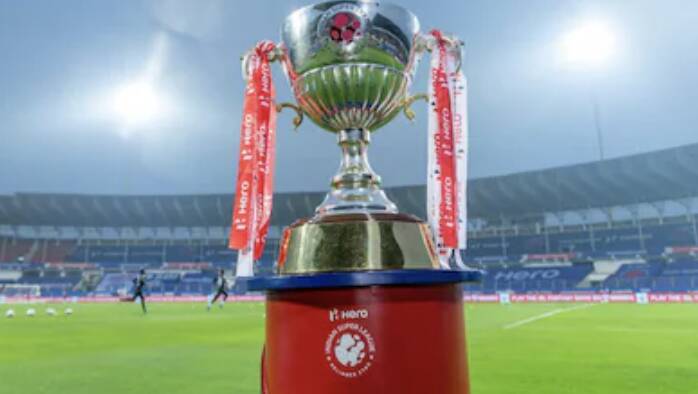
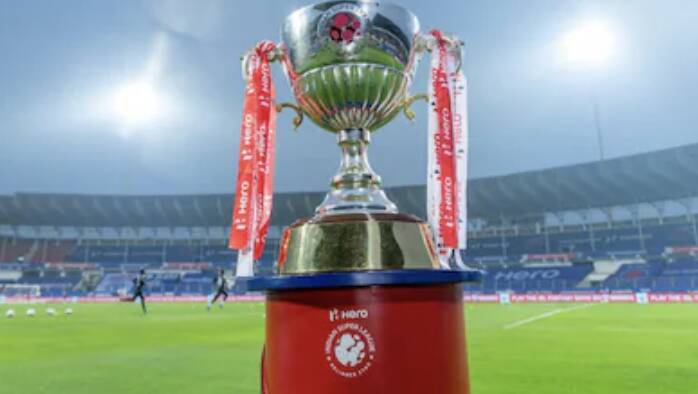
The Indian Super League (ISL) has been facing an uncertain future, with the 2025-2026 season already delayed and the participating clubs expressing their concerns about the financial viability of the league. In a recent development, thirteen out of the fourteen ISL clubs have come together to demand certain conditions from the All India Football Federation (AIFF) in order to participate in the upcoming season. The clubs have stated that they “may be ready and willing” to take part in the league if there is no participation fee and the AIFF covers the operational costs.
This move by the ISL clubs is a clear indication of the financial struggles that they are facing. The participation fee for the ISL is a significant burden on the clubs, and the absence of a clear and sustainable commercial structure has made it difficult for them to generate revenue. The clubs are looking for a more equitable distribution of resources and a clear plan for the future of the league.
The demand for no participation fee is a reasonable one, considering the financial constraints that the clubs are facing. The participation fee is a significant expense for the clubs, and it can be a major obstacle for them to participate in the league. By waiving the participation fee, the AIFF can help to reduce the financial burden on the clubs and make it more feasible for them to participate in the league.
The request for the AIFF to cover operational costs is also a crucial one. The operational costs of running a football club are significant, and the clubs need a certain level of financial support to ensure that they can function effectively. The AIFF, as the governing body of football in India, has a responsibility to support the clubs and provide them with the necessary resources to succeed.
In addition to the demands for financial support, the clubs have also requested a clear and time-bound roadmap for the league’s long-term commercial, governance, and financially sustainable structure. This is a critical aspect of the ISL’s future, as the league needs to have a clear plan in place to ensure its sustainability and growth.
The ISL has been struggling to establish itself as a major football league in India, and the lack of a clear commercial structure has been a major obstacle. The league has failed to attract significant sponsorship and broadcasting revenue, and the clubs have been struggling to generate revenue through ticket sales and merchandise.
The AIFF has a crucial role to play in addressing these concerns and providing a clear roadmap for the future of the ISL. The federation needs to work closely with the clubs to develop a sustainable commercial structure that can help to generate revenue and support the growth of the league.
The demand by the ISL clubs for a clear and time-bound roadmap is a reasonable one, considering the uncertainty and confusion that has surrounded the league in recent times. The AIFF needs to provide a clear plan for the future of the ISL, including a detailed commercial strategy, a governance structure, and a financial plan.
The future of the ISL is uncertain, and it remains to be seen whether the AIFF will be able to address the concerns of the clubs and provide a clear roadmap for the league’s future. However, one thing is clear: the ISL needs a sustainable commercial structure and a clear plan for the future if it is to succeed and establish itself as a major football league in India.
The ISL has the potential to be a major force in Indian football, but it needs the support of the AIFF and the clubs to succeed. The federation and the clubs need to work together to develop a clear and sustainable plan for the league’s future, and to provide the necessary resources and support to ensure its success.
In conclusion, the demand by the ISL clubs for no participation fee and AIFF funding is a reasonable one, considering the financial struggles that they are facing. The AIFF needs to provide a clear and time-bound roadmap for the league’s long-term commercial, governance, and financially sustainable structure, and to work closely with the clubs to develop a sustainable commercial structure that can help to generate revenue and support the growth of the league.
The future of the ISL is uncertain, but with the support of the AIFF and the clubs, it has the potential to succeed and establish itself as a major football league in India. The ISL clubs and the AIFF need to work together to address the concerns and challenges facing the league, and to provide a clear and sustainable plan for its future.
News Source: https://repository.inshorts.com/articles/en/PTI/292a827d-c3c4-4cd5-a4cf-6feefaf14e41
About the Author